
Pricing pressure from tariffs helped dictate consumer behavior in 2025, but Ford is expected to face pricing pressure on one of its most popular models in 2026, and the reason has nothing to do with tariffs.
Ford rode dealer incentives, combined with consumer anxiety about tariffs, to become the top-selling brand in the U.S. during the first half of 2025. Ford said total sales in the second quarter rose at a rate seven times that of the overall auto industry.
It sold 1.1 million units in the first six months, a 6.6% year-over-year increase.
However, as incentive spending dwindled and car prices increased, consumer interest in the auto industry cooled off in the second half of the year.
Despite this, the Ford F-Series was once again the best-selling truck in the country with U.S. sales reaching nearly 830,000 units. The 8.3% increase helped the F-Series take the top spot for the 44th year.
Ford’s inventory levels have been among the industry’s highest in recent years, helping keep prices in check through the magic of supply and demand.
However, inventory levels for the F-150 have been falling due to fallout from the September fire at the Novelis plant in Oswego, New York, which supplies much of the aluminum used in the F-150.
It took about 175 firefighters from 26 different area fire departments to extinguish the blaze, and Ford estimates the fire at its supplier’s plant cost it between $1.5 billion and $2 billion in EBIT in the fourth quarter.
Then, on Nov. 20, a second fire broke out.
While Ford says it is pivoting to other aluminum suppliers, inventory levels will continue to decline, leading to a situation where the magic of supply and demand starts tipping in favor of Ford.
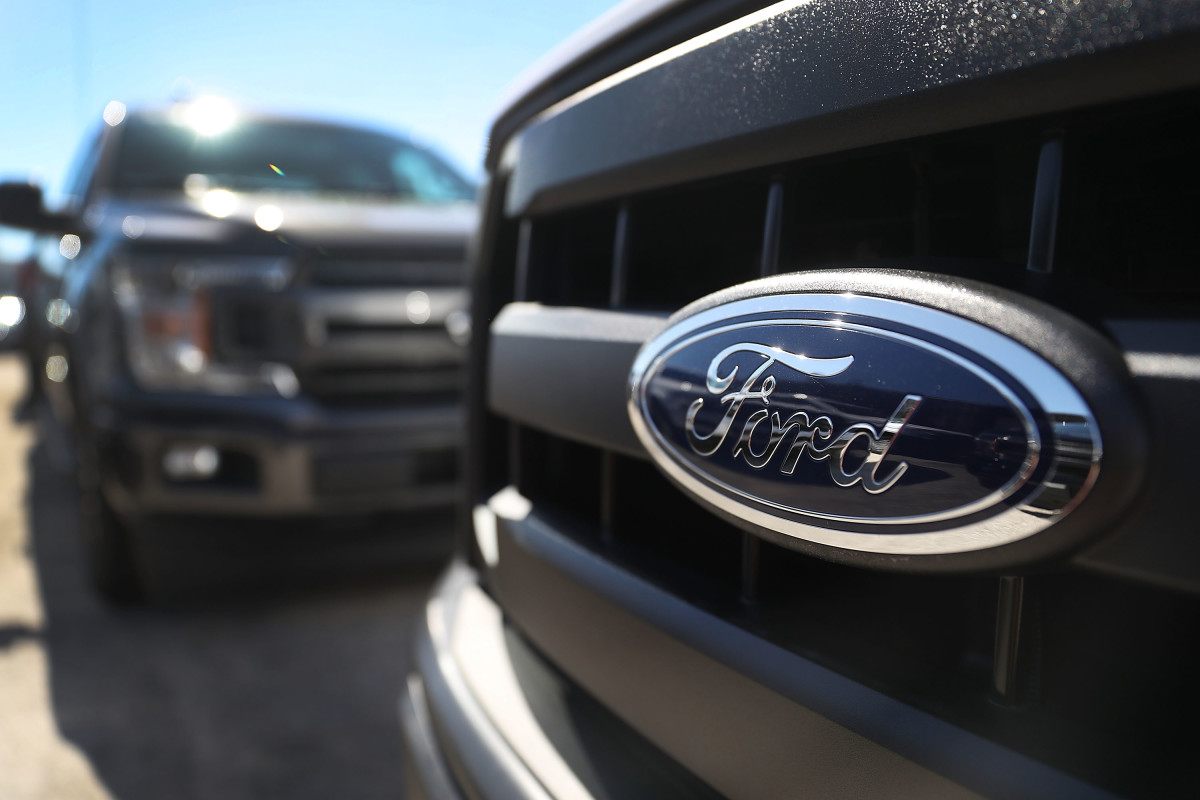 Inventory levels for Ford’s F-150 have fallen.
Photo by Joe Raedle on Getty Images
Ford F-150 prices could be higher until summer 2026
The Novelis fire cost Ford around 100,000 F-Series units last year, according to Sherry House, Ford’s chief financial officer.
The company expects up to $2 billion in temporary costs due to tariffs and premium freight expenses as it scrambles to keep the supply of its best-selling vehicle flowing.
Related: Tesla rival inspires Ford CEO Jim Farley’s push for EV profitability
Ford expects to have the mill at Novartis back operational “somewhere in the middle of the year, the range between May and September.”
Meanwhile, across the company, Ford reported a 16% decrease in its inventory at the end of the quarter, leading to a 66 gross day supply. The company says it expects F-150 inventory to be lower in the first half of the year, and the analysts at Cox Automotive are also seeing signs of this shift.
“Our data does suggest, generally, that F-150 inventory is tighter now than in recent memory. Simply looking at the first three quarters of 2025 (Jan. to Sept.), F-150 inventory was typically in the 115K unit neighborhood — that was the estimated total available F-150s on dealer lots across the U.S.,” Cox Automotive’s Mark Schirmer told TheStreet.
That number has dropped about 22% to 90K since the fourth quarter.
So what does this mean for the consumer?
“I suspect buyers will see some upward price pressure there,” Schirmer said. “As our former chief economist Jonathan Smoke was consistently telling us, ‘Inventory is the clearest signal of where pricing is headed, because supply conditions ultimately determine pricing power.'”
High car prices are here to stay in 2026
While recent developments may make buying a Ford F-150 harder, Ford isn’t the only car company expected to raise prices in 2026.
Consumers paid an average transaction price of $49,191 per vehicle in January, a nearly 2% increase from a year ago, according to Kelley Blue Book. January reversed the trend from December, when average transaction prices were down 2.2%.
Related: Ford debuts plan to leapfrog key Tesla tech
Perhaps more concerning, however, is that the average manufacturer suggested retail price was 2.1% higher at $51,288. January marked the tenth consecutive month that new car average MSRPs topped $50,000, suggesting that prices this high are here to stay.
In January, the average incentive package was equal to 6.5% of the ATP, or about $3,200. Last year’s January total averaged 7.1% of ATP.
“January’s pricing story is really a reminder of how much mix still matters in this market,” said Erin Keating, executive analyst at Cox Automotive.
“We hit a new January high even as prices naturally pulled back from December’s luxury-heavy finish. Consumers are still finding plenty of options below the industry average, especially in core segments like best-selling compact SUVs, but the disappearance of true entry-level vehicles continues to lift the floor higher.”
Related: Popular Ford pickup faces expanded NHTSA probe over dangerous issue