
If you have a Roku device at home, and statistically, there’s a good chance you do, your TV’s home screen may soon have a new owner.
Fox Corporationannounced June 15 that it has reached a deal to buy Roku for $160 per share. That values the company at roughly $22 billion.
The deal is expected to close in the first half of 2027, according to a company statement.
For everyday TV viewers, the change may not be immediately obvious. But behind the scenes, it marks one of the biggest power moves in the streaming wars yet.
Why does Fox want to acquire Roku?
Roku (ROKU) isn’t a streaming service like Netflix or Disney+, but the software and hardware that sit between you and those services.
Think of it as the front door to your TV. When you power on a Roku-enabled device, that home screen you see, with all the apps, recommendations, and ads, is Roku’s platform.
It reaches more than 100 million households globally and is installed in more than half of all U.S. homes with broadband internet.
Related: Roku drops customer surprise amid shifting audience behavior
That kind of reach is rare. And it’s precisely why Fox (FOXA) came knocking.
“This is a defining moment for FOX,” Fox CEO Lachlan Murdoch said on an investor call June 15. He called the deal “a natural extension of the deliberate and focused strategy we have been executing for nearly a decade.”
Fox already owns FOX News, FOX Sports, a portfolio of NFL and MLB rights, and Tubi, the free ad-supported streaming service that generated revenue approaching $1.5 billion in fiscal 2026.
Now it wants the platform that millions of Americans use to watch all of that content.
How the $22 billion price tag breaks down
The deal structure is part cash, part stock. Roku shareholders will receive $96 in cash and 0.9693 shares of FOX Class A common stock for each share they own.
- Fox plans to fund the cash portion through a combination of new debt, about $8 billion, and existing cash on hand.
- At closing, the combined company’s debt load is expected to be roughly 2.8 times its annual earnings before interest, taxes, depreciation, and amortization (EBITDA).
- Fox also expects the deal to generate about $400 million in annual cost savings.
FOX CFO Steve Tomsic said on the June 15 investor call that the company expects to pay down debt quickly and return to its target leverage range within one to two years after closing.
Roku founder Anthony Wood, who started the company in 2002, will stay on in a leadership role and join the Fox board of directors.
What it means for Roku users and streaming partners
The obvious question for anyone with a Roku TV or stick: Will anything change?
Both companies tried hard on the investor call to reassure partners that Roku will remain what they called an “open, partner-friendly platform.”
Services like Netflix, Amazon Prime Video, and Disney+ will still be accessible through Roku devices.
Wood emphasized:
“Roku will continue to operate as an open partner-friendly platform supporting the entire streaming ecosystem.”
He pointed out that Roku already balances its own free channel, The Roku Channel, which is the No. 2 most-watched app on the platform, with hundreds of partner apps.
The company has been doing that for years, and he said the approach won’t shift under Fox’s ownership.
Fox now owns a major content library and a direct-to-consumer service in FOX One. Having that content sit alongside Netflix and Amazon on the same home screen it now controls creates at least the appearance of a conflict of interest, even if both sides insist otherwise.
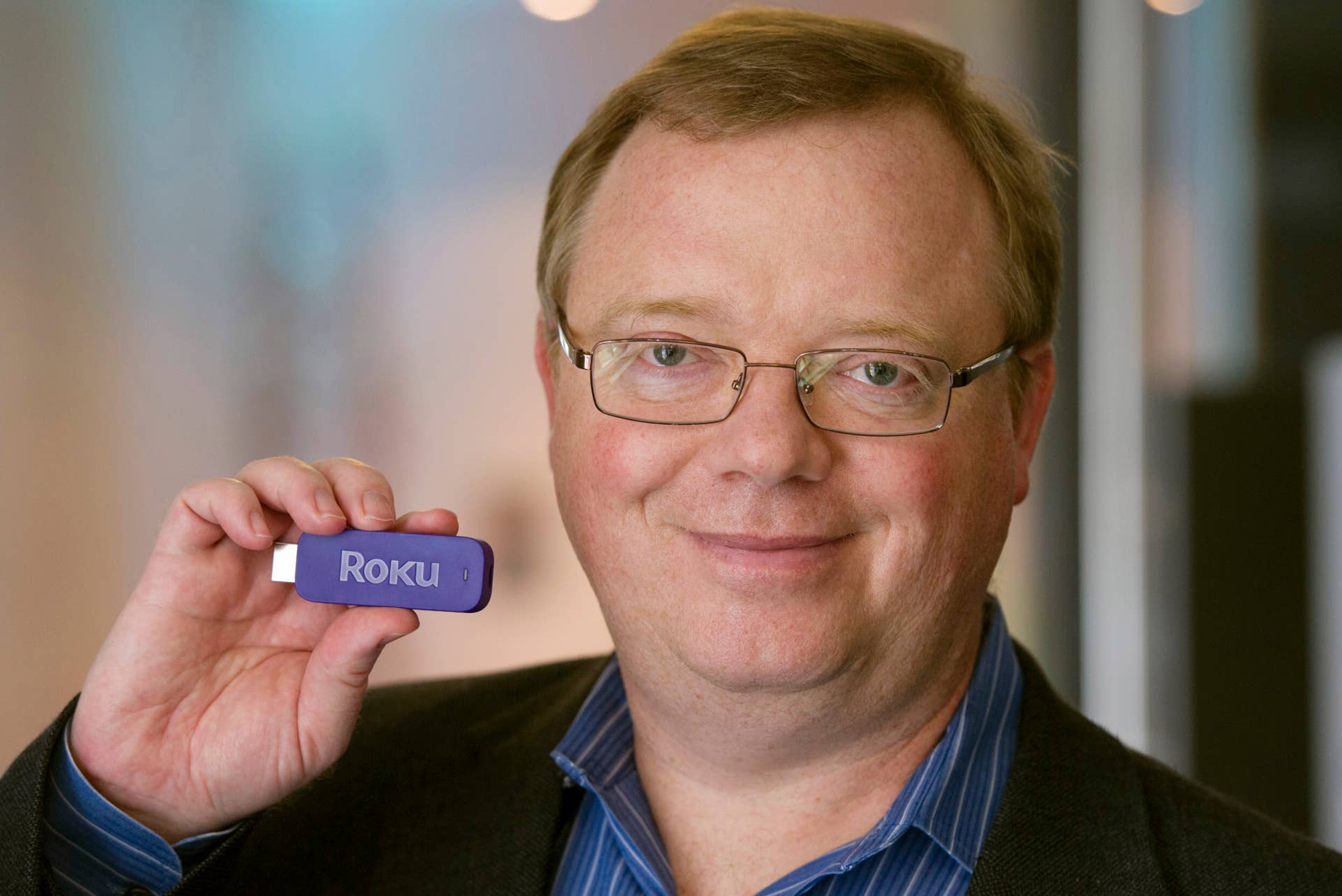 Anthony Wood, founder and CEO of Roku stated the company will remain a partner-friendly platform.
Why the deal matters beyond Fox and Roku
The broader trend here is clear: the line between content and distribution is blurring fast.
Nearly 50% of all U.S. television viewing now happens through streaming, up from roughly 25% just five years ago, according to information shared on the investor call.
Ad dollars are following, given connected TV advertising’s share of total TV ad spend has grown from 25% to 41% in recent years.
Whoever controls the home screen controls discovery. And discovery drives subscriptions, ad revenue, and viewing hours.
More Technology:
- Microsoft CEO sends a blunt warning on AI and the tech ecosystem
- Apple’s iOS 27 surprise could change the AI narrative
- Amazon CEO just made things uncomfortable for Anthropic
Fox is betting that owning both the content and the platform gives it a durable advantage in that fight, one that rivals like Amazon, Google, and Walmart (which acquired Vizio) are also aggressively pursuing.
On a pro forma basis, the combined FOX-Roku company would become the third-largest player in U.S. television by total viewing share.
That’s a significant jump for a company that, just a few years ago, was considered too small to compete with the streaming giants.
Related: Cathie Wood’s favorite tech stock still down 73% from all-time highs