
Amazon (AMZN) changed the retail game forever, and there’s no turning back.
“The everything store” is often blamed for the so-called “Amazon Effect,” or the disruptive effect it has had on the global retail industry. This huge marketplace took the world by the storm by offering the most convenient way of shopping that’s ever existed.
It created a completely new class of shoppers — online ones. By the end of 2022, there were around 266.7 million online buyers, and by 2025, the number of online shoppers grew to 291.2 million in the U.S. alone, writes Flowspace.
💵💰Don’t miss the move: Subscribe to TheStreet’s free daily newsletter💰💵
It’s been 25 years since Amazon marketplace allowed third-party sellers to list their products on the platform. This represented a huge transformation for the company, allowing it to sell to a much wider audience.
Amazon continuously innovates and upgrades its offerings and services, which enables it to grow its customer base and account for about 40% of e-commerce sales today.
Some of the e-commerce giant’s major upgrades and moves include Amazon Prime, 1-click purchases, Kindle, its Whole Foods acquisition, and its easy return policy.
These days, however, one of these friendly services is under scrutiny.
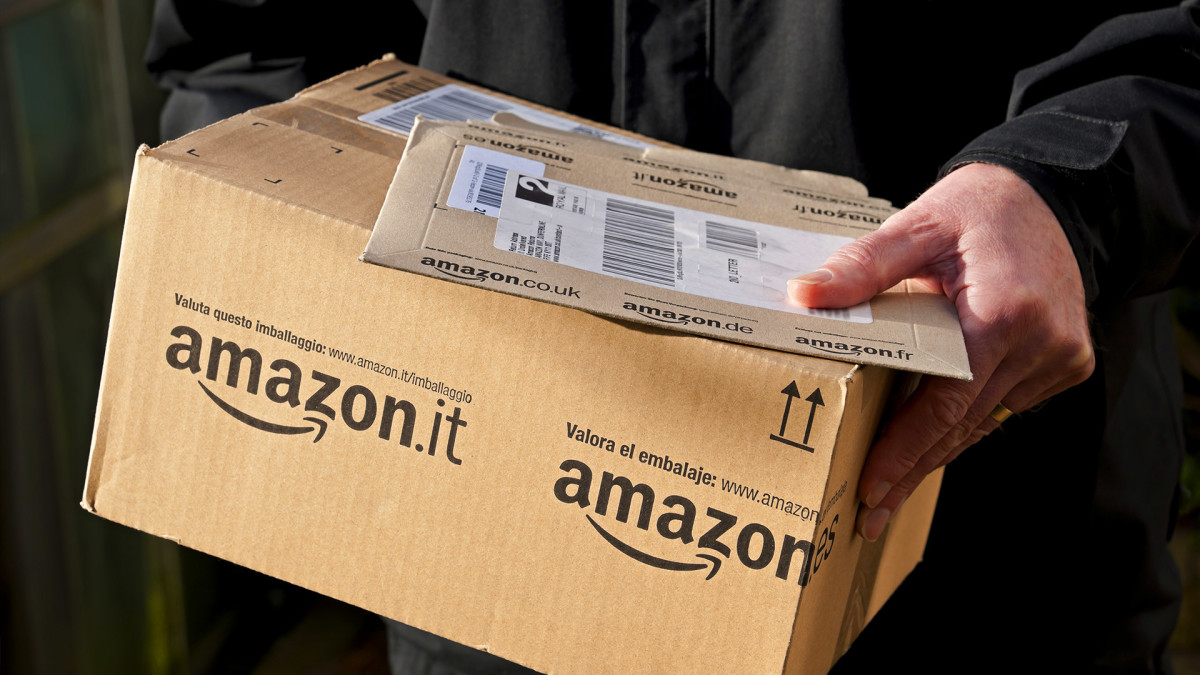 Experts warned that Amazon’s easy return policy could be a double-edged sword. They were right.
Image source: Getty Images
Easy to return ‘pooped diapers’ and ‘rotten breast milk’
In 2019, Amazon expanded its easy-to-return policy, enabling returns for millions of items. Previously this service was reserved only for products such as clothing, shoes, and bedding.
Even at the time, experts warned that this could be a double-edged sword.
Related: Walmart delivers Amazon some really bad news
Making product returns too easy, such as making them free, including label-free and box-free, could make the number of returns too much to handle.
What’s more, free and easy returns for shoppers are making things harder for the small businesses that are operating on the platform. Why? These returns are risky and expensive, which is why some third-party sellers have already left Amazon’s Fulfillment program and others are planning to do so, according to CNBC.
The core issue is fraudulent returns, which have led to many customers accidentally receiving used products. Shockingly gross examples include used and pooped-in swim diapers and a chiller containing rotten breast milk.
More Retail:
- Huge retail chain suddenly closing hundreds of stores
- Major retailer scores huge benefit from Joann bankruptcy
- Home Depot, Target, Ulta and more strike back at retail crime
“I really don’t think that consumers understand how many small businesses are on Amazon and how their return habits affect small businesses and families like mine,” Rachelle Baron, owner of Beau and Belle Littles, which sells reusable swim diapers, told CNBC.
The National Retail Federation reports that in 2024, almost 14% of all U.S. retail returns were fraudulent.
Fee on too many returns lowered rates, but increased prices
In June 2024, Amazon added a new fee for sellers in its fulfillment program. The fee was placed on items that exceeded certain return-rate thresholds.
While the fee lowered return rates for U.S. Amazon sellers almost 5%, according to e-commerce group Helium 10, it had other unwanted effects.
Related: Amazon gives employees a harsh ultimatum amid layoff fears
The new fee might have forced some sellers to raise the bar with their listings and the quality of their products. At the same time, however, it led to higher prices.
According to one survey by e-commerce analysis company SmartScout, 65% of sellers confirmed they have increased their prices last year only because of the new fee. Other sellers told the outlet that fraudulent returns forced them to increase their prices.
Many vendors are pointing out that their return rates are much higher on Amazon than on other marketplaces such as Walmart or eBay.
Sellers also argue that on eBay, for example, they can block specific customers. They also believe Amazon should take more accountability and hold shoppers responsible for fraudulent returns.
Amazon, on the other hand, claims it doesn’t tolerate fraud. It says it’s taking action against scammers by denying refunds and demanding customer identity confirmation.
Amazon has been touted as “one of the most influential economic and cultural forces in the world,” and as such, it is very likely doing everything in its power to address scam returns.
However, with the easy return feature becoming so popular — and with so many odd people in this world (returning pooped diapers, which should arguably warrant a diagnosis) — Amazon may simply have been unprepared for the unintended consequences.
Related: Veteran fund manager unveils eye-popping S&P 500 forecast