
With the holiday shopping and travel period fully underway, there’s a good chance those “unknown caller” calls and suspicious texts everyone gets these days are going to increase. That’s why the Federal Trade Commission (FTC) is urging consumers to watch out for scammers impersonating trusted companies to steal money or data.
Scammers are setting up fake online shops and posting “too-good-to-be-true” deals on social media, the FTC warns, redirecting buyers to counterfeit websites that sell nothing or inferior products. Scammers are also impersonating airline representatives, contacting travelers on social media and posing as airline customer-service reps to get booking or payment information.
The other common holiday scam involves sending fake delivery texts, pretending to be USPS or other carriers, claiming there’s a problem with a package, and tricking recipients into clicking malicious links.
“Scammers have always taken advantage of the holiday rush to exploit people looking for deals, but AI has made it easier for them to copy trusted brands with speed and accuracy that is hard to spot,” Head of Threat Research at McAfee Labs Abhishek Karnik said in a consumer warning about holiday scams.
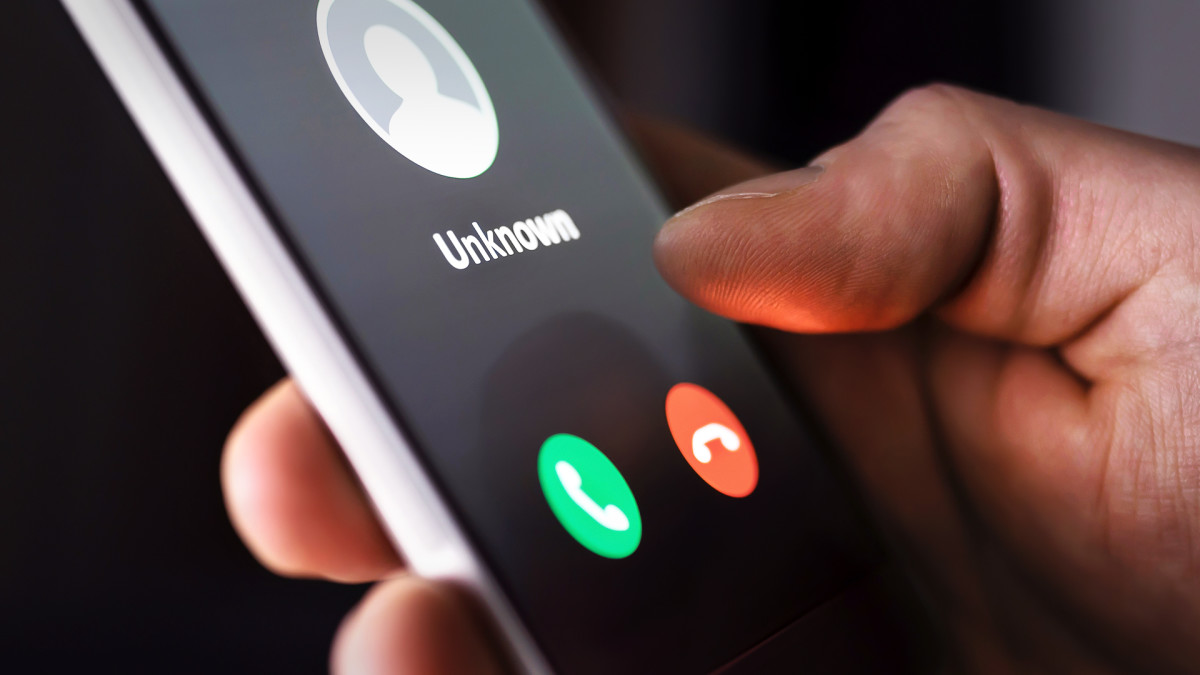 Criminals are getting more sophisticated and using AI as a tool to enhance scams.
Shutterstock
Fake shops, fake deals, real losses
In the November 2025 alert titled “How to avoid an online shopping scam this holiday season,” the FTC notes that scammers often pose as legitimate retailers. They launch fake ads on social media promoting “too-good-to-be-true” deals, then redirect shoppers to counterfeit websites selling nothing or selling inferior goods.
To protect yourself, the FTC advises:
- Research the seller. Search the merchant’s name + “review,” “complaint,” or “scam” before you click “buy.”
- Use a credit card — if possible. Credit cards offer protections; if you pay by gift card, wire transfer, or payment app when a deal seems suspicious, it’s probably a scam.
- Keep records of your transaction and order confirmation. That makes it easier to dispute charges or get a refund if things go wrong.
Scammers pretend to be airline or delivery-service representatives
The FTC says fraudsters sometimes impersonate airline customer-service representatives by hunting social-media posts from travelers complaining about canceled or delayed flights.
They respond, ask for booking confirmation numbers or payment info, even directing victims to fake websites to harvest their data, warns the FTC.
Related: FBI issues urgent warning to iPhone users about dangerous scam
Meanwhile, in one of the most common scam types, crooks send fake text messages — posing as delivery services such as the United States Postal Service (USPS) — that claim there’s a problem with your package and trick recipients into clicking malicious links.
The FTC reports that 2024 alone saw hundreds of millions in consumer losses tied to text-message scams.
Impersonation scams soar, hitting older Americans especially hard
According to the FTC, reports of “imposter scams” — where fraudsters pretend to be trusted agencies or businesses — have ballooned since 2020. Losses in many cases topped $10,000, with some victims being older adults who lost most or all of their savings, according to the commission’s recent report.
Do this to protect yourself from scams, FTC says
The FTC recommends simple steps to avoid impersonation scams during the busy holiday season:
- Write down contact info for companies you deal with — banks, retailers, delivery carriers — so you can reach them directly if something feels off.
- Never click links from unsolicited texts or emails. Instead, go to the official website or call the company directly.
- Use strong payment methods (credit cards) and avoid paying via gift cards, wire transfers, or crypto when a deal seems suspicious.
- Keep receipts, order details, and confirmation numbers in case you need to dispute a charge.
The number of scams is skyrocketing
The FTC provides data on impersonation scams, text‑message scams, and broader fraud — by type and demographic.
- In 2024, Americans reported losing $470 million to scams that began with text messages — more than five times the amount reported in 2020. Source: FTC
- Scams impersonating businesses or government (i.e., “impersonation scams”) resulted in $2.95 billion in consumer losses in 2024. Source: FTC
- In data from 2023, the FTC logged 330,000+ business-impersonation reports and nearly 160,000 government-impersonation reports — together making up nearly half of all fraud reports to the agency that year. Source: FTC
- Among those older‑adult victims, combined reported losses of more than $100,000 rose eightfold from 2020 to 2024. Source: FTC
- In 2024 overall, the total amount consumers reported losing to fraud reached $12.5 billion, a roughly 25% increase compared with 2023. Source: FTC
The ways scammers contact victims
For “imposter scams” (business or government impersonation), traditional contact methods — email, phone calls, and text — remain especially common:
- Email: In 2024, email was the most common method scammers used when contact method was identified.
- Phone Calls: Phone remained the second-most-common contact method in 2024.
- Text Messages (SMS): Scams that began via text were substantial — in 2024, consumers reported $470 million in losses tied to text‑message scams.
- Social Media / Online Ads / Websites / Apps (“New Methods”): For many of the top scams (investment, romance, online shopping), “new methods” — such as social media, ads, websites or apps — now account for a growing share of contacts.
- Mail / Postal Mail: Traditional mail remains one of the contact methods identified — though it is much less common than email/phone/text and “new methods.”
- The FTC notes that over time, scams starting with text and email have increased, while those starting with phone calls have declined — a clear shift away from older “cold‑call” style fraud toward digital channels. Sources: FTC “A scammy snapshot” and the Federal Reserve Bank of Kansas City
Related: Holiday shoppers warned of new package delivery scam