
When the size-inclusivity movement gained momentum, it revolutionized the fashion industry, pushing many apparel companies to expand beyond traditional sizing and better serve a broader range of body types. Major retailers responded by expanding their size ranges, while specialized plus-size brands emerged to meet growing demand.
Several years later, however, the market is shifting again. Alongside macroeconomic pressures and cautious consumer spending, the rapid adoption of GLP-1 medications is beginning to reshape apparel demand, particularly within the plus-size segment.
GLP-1s’ impact on the retail industry
Glucagon-like peptide-1, called GLP-1s and known by brand names such as Ozempic, Wegovy, Mounjaro, and Trulicity, were developed to regulate blood sugar, digestion, and appetite for people with Type 2 diabetes. They are now increasingly used for weight-loss management, driving measurable shifts in consumer behavior.
According to Circana estimates, approximately 23% of all U.S. households use GLP-1 medications as of September 2025, up four points from the prior year. Their influence is extending well beyond healthcare and into retail.
Around 80% of GLP‑1 users anticipate needing new clothing due to size changes, while 55% have already purchased new clothing or footwear, driven primarily by changing sizes, according to a recent Circana survey.
This signals a structural shift in demand. Apparel purchasing is no longer driven solely by seasonality or trends, but increasingly influenced by GLP-1-driven body changes.
Unlike traditional weight-loss cycles, GLP-1-driven shifts are occurring at both scale and speed, making them more disruptive to apparel demand forecasting and inventory planning.
Consumers’ identities are changing, not just size
Weight loss associated with GLP-1 use is not only changing what consumers wear but also reshaping how they see themselves.
As users transition through multiple sizes, many are rebuilding their wardrobes from scratch. This often includes experimenting with new categories and styles that previously felt out of reach. Circana data shows increased purchases in categories such as activewear, denim, dresses, and intimates during the first year of GLP‑1 use.
Kristen Classi-Zummo, apparel industry advisor at Circana, notes that this reflects a bigger behavioral shift.
“GLP-1 usage extends beyond the physical implications; it’s a catalyst for redefining personal style. As consumers rebuild their wardrobes, they’re reassessing what fits, what flatters, and what feels aligned with their lifestyle,” said Classi-Zummo.
This transformation represents more than a temporary trend. It is an identity reset with direct implications for merchandising, marketing, and product development.
For retailers, this also introduces a new challenge where consumers are not simply replacing clothing; they are redefining their relationship with apparel, often prioritizing versatility, confidence, and lifestyle alignment over previous purchasing habits.
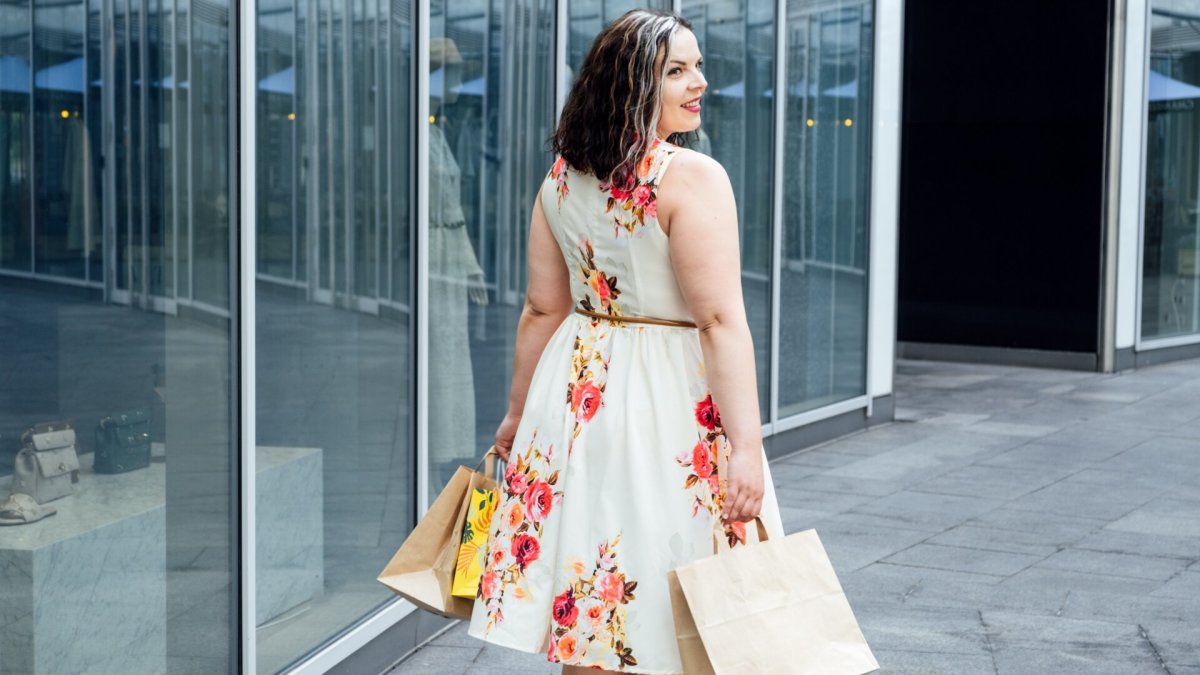 GLP-1 usage is changing consumer habits and impacting retailers nationwide.
Mounting pressure on plus-size retailers
Retailers focused on extended sizing are already beginning to feel the impact.
The broader retail environment remains difficult. Store closures increased 67% in 2025 compared to the previous year, reflecting ongoing industry contraction and realignment, according to CoreSight Research.
More coverage on store closures:
- 48-year-old nostalgic mall retailer will close 25 stores in 2026
- 77-year-old jewelry giant will close 100 stores, shut 2 brands
- 125-year-old retail chain to close more stores in 2026
Within this environment, several plus-size specialized retailers have reported declines.
- Torrid (CURV) reported a 14.3% year-over-year sales decline in the fourth quarter of fiscal 2025, with a net loss of $8.1 million, compared to $3 million. The company plans to close 30 stores in the first half of 2026 after shuttering 151 locations last year.
- DXL (DXLG) posted a 6% year-over-year drop in sales for the fourth quarter of fiscal 2025, with a net loss of $29.6 million compared to $1.3 million.
DXL CEO Harvey Kanter attributed part of the slowdown to GLP-1 adoption, predicting that as many as 25% of the company’s customers are on the medication, actively losing weight and delaying purchases.
“Right now, we are in a pattern where they are losing weight and they are trying not to buy clothes until they are done with that journey,” said Kanter during the earnings call.
This dynamic is creating a short-term demand gap. Consumers in transition are temporarily spending less in the near term, even as long-term demand for wardrobe replacement builds.
At the same time, it is compressing traditional retail buying cycles, forcing brands to rethink inventory strategies as consumers move through multiple sizes more quickly.
The future of the retail industry
The broader outlook for fashion retail remains cautious.
McKinsey & Company’s State of Fashion 2026 Report projects low-single-digit growth for the global fashion industry, citing ongoing macroeconomic instability, tariff pressures, and value-conscious consumer behavior.
“In the end, 2026 will likely be another year of dislocation for fashion companies,” said McKinsey & Company analysts.
Yet in this subdued environment, GLP-1 adoption represents a new and unexpected growth driver.
Bernstein analysts estimate that GLP-1-related wardrobe changes could generate up to $13 billion in increased annual apparel spending.
“We expect that GLP-1 users will expand their apparel shopping basket size for 1-3 years, including both the multiple size changes during their weight loss journey as well as replacing their entire wardrobe (and perhaps shifting the styles and types of clothing as well) once they have reached their goal weight,” the analysts said, as reported by MarketWatch.
The risk of scaling back on inclusivity
Despite these shifts, scaling back on inclusive sizing could prove short-sighted.
A substantial portion of the U.S. population still wears plus-size clothing, estimated between 68% and 78%, according to an analysis by FIT professor Mallorie Dunn. This demand is not disappearing, even as some consumers size down.
Overcorrecting in response to short-term trends could alienate a large and still underrepresented customer base.
What this means for retailers
GLP-1 medications are introducing a new dynamic into fashion retail, one that blends healthcare, identity, and consumer spending patterns.
For brands, the opportunity lies in balancing supporting consumers through transitional sizing and evolving identities, and maintaining long-term commitments to inclusivity.
Retailers that can do both while adapting to faster demand cycles and more fluid sizing needs will be best positioned to navigate this shift and outperform in an otherwise constrained market.
Related: 106-year-old retail brand operator closing all stores in bankruptcy