
For homeowners thinking about moving, families looking to finance a car, and small-business owners rolling over debt, higher interest rates are far from being an abstract Wall Street story.
In fact, Americans have already adapted to the rising borrowing costs in ways that are easy to miss.
Goldman Sachs said the pressure is now broad-based across the U.S. economy, and in a note shared with me, the bank explores how persistently elevated rates could work their way through housing, consumer spending, and business investment over the coming quarters.
What stands out to me is how uneven the impact could be.
Cash-rich companies and savers might absorb higher rates relatively well, while borrowers, homebuyers, and smaller firms might feel the squeeze much sooner.
That makes the next phase less about whether rates are “high” and more about how long households and businesses are asked to live with them.
Goldman Sachs sees higher rates slowing the economy
Goldman Sachs recently made a surprising call on interest rates, saying the Federal Reserve would likely deliver just one more rate hike in December, then begin three cuts in the second half of 2027.
At the same time, the bank sees the 10-year Treasury yield fall from 5.3% to 4.4% by the end of next year. Under that path, Goldman estimates higher rates will shave off just about 0.2 percentage points from 2027 GDP growth, leaving the economy near its estimated 2.3% potential growth rate.
More Economy:
- Kevin O’Leary raises stark concern about inflation
- Goldman Sachs delivers its verdict on inflation and jobs
- Bank of America issues stark warning on Fed and economy
I think the important part is the alternative scenario.
If rates simply stay around current levels, Goldman sees the GDP drag rising to slightly more than 0.5 percentage points. That’s far from being a recession forecast, but it materially changes the available cushion if another shock hits.
The latest economic data makes that distinction even more pertinent. September payrolls increased by just 29,000, as reported by Reuters, while unemployment rose to 4.2%, suggesting hiring has cooled.
Yet August consumer spending jumped 0.9%, and retail sales rose 1.2%, which shows households haven’t stopped spending.
Meanwhile, the Fed’s policy rate is already 3.75% to 4%, and Governor Christopher Waller said this week that additional hikes may still be needed, Reuters noted, even if policymakers have flexibility over timing.
That leaves me focused on duration. It’s clear that the economy has absorbed high rates surprisingly well so far, but Goldman’s work suggests that the length of time rates stay high now matters almost as much as how high they ultimately go.
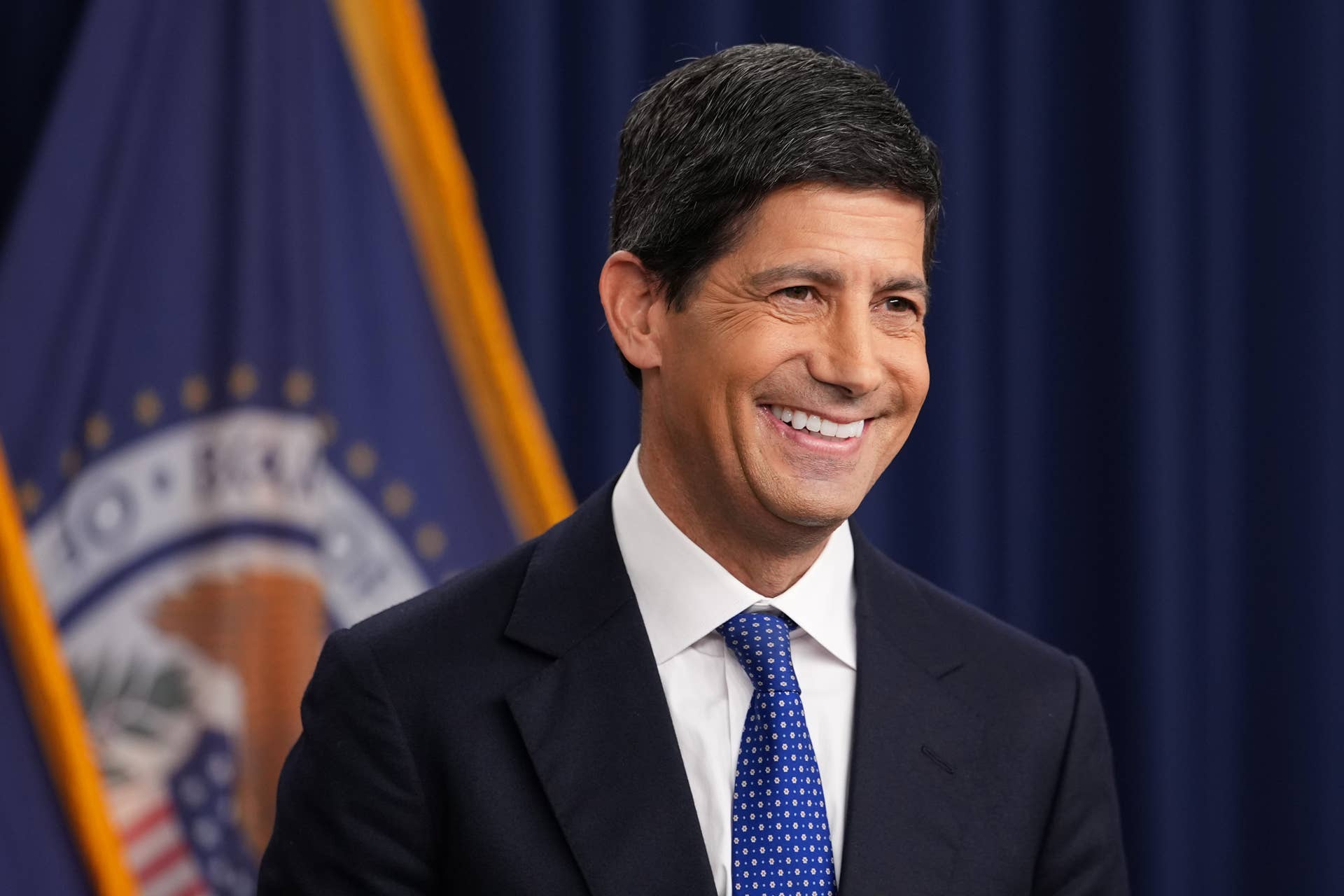 Goldman Sachs says higher rates are reshaping housing, spending, and business investment.
Housing feels the squeeze first, but consumers and businesses follow
Perhaps the clearest pressure point is housing.
Mortgage rates have risen more than a percentage point since February, leaving more than 90% of borrowers with mortgages below current market rates. That “lock-in” effect discourages existing homeowners from moving and forces prospective buyers to finance homes at substantially higher monthly costs.
Goldman expects higher rates to subtract about 2 percentage points from annualized residential-investment growth in the fourth quarter, with roughly a 1-point average drag in 2027.
Conditions have already tightened further since the report’s underlying data. The average 30-year mortgage rate reached 7.49%, its highest level in nearly three years. August housing starts fell 2.6% from July.
Consumers look better insulated, but not immune.
Goldman estimated that higher rates reduce 2027 consumption growth by about 0.2 percentage points, primarily by making credit-financed purchases such as vehicles and other durable goods less attractive. Higher interest income offsets some of that because U.S. households are net lenders overall.
I see the business side as the sleeper issue.
Goldman estimated that higher refinancing costs could subtract around 0.3 percentage points from annual capex growth, with small businesses particularly exposed because roughly half their debt carries variable rates. Large corporations have longer debt maturities, slowing the hit.
AI spending is a notable exception.
Goldman said hyperscalers account for more than two-thirds of U.S. AI investment and have so far shown little sensitivity to higher funding costs.
That creates an increasingly uneven economy where capital-rich AI leaders can keep spending while housing, small businesses, and credit-dependent consumers absorb the rate shock first.
The rate path matters more than the headline rate for investors
So in essence, Goldman is making a conditional call on the U.S. economy.
If long-term yields retreat as Goldman expects, growth might remain reasonably resilient despite weaker housing, softer consumption, and higher refinancing costs.
On the flip side, if yields stay near current levels, the drag compounds through housing, corporate investment, consumer wealth, and eventually government finances.
That last channel matters for markets.
Goldman estimated that persistently elevated rates could push publicly held federal debt to 132% of GDP by 2035, roughly 10 percentage points above its baseline, while higher yields could also limit stock market upside, weakening the household wealth effect.
For investors, I would watch 10-year Treasury yields rather than Fed headlines alone. Housing stocks, REITs, utilities, smaller companies, and highly leveraged businesses should remain more rate-sensitive, while cash-rich AI hyperscalers appear better insulated.
The next major checkpoint is the September CPI, which arrives on Oct. 14, and if inflation keeps rates elevated, Goldman’s downside scenario becomes increasingly relevant. If yields begin retreating, the economy has considerably more room to keep expanding.
Related: Veteran analyst aggressively resets Micron stock target on 3-5 year run
