
The average American takes about 20 photos per day.
Why do we do it?
Taking photos is not only a fun way to try to “freeze” your memories, but also a way to share your experiences with others more vividly.
💵💰Don’t miss the move: Subscribe to TheStreet’s free daily newsletter 💰💵
Smartphones have made taking photos simple, fun, and convenient. No more big cameras, lenses, or darkrooms. Let’s be honest: There are much fewer printed photos in the end.
While fewer printed photos are ultimately produced, many more are taken each day. According to PhoTutorial, estimates suggest that this year, around 2.1 trillion photos will be taken, compared to 1.9 trillion in 2024.
Each second there are about 61,400 photos taken worldwide.
As expected, smartphones account for 94% of all photos taken last year.
Would taking photos remain as popular if it weren’t for constant upgrades, better smartphone cameras, more social networks to share them on, and new AI tools to upgrade the photos? It’s hard to imagine.
All these features and technologies are intertwined and support each other’s popularity.
The AI boom doesn’t seem to be subsiding at all; in fact, it seems to be just warming up.
According to a KPMG global study, around two-thirds of the planet’s population uses AI daily. About 83% believe using AI offers a myriad of benefits.
All tech firms these days are trying to answer the demand and are launching their own AI tools. Earlier this year, Google (GOOGL) launched a wild new app that works offline.
More recently, it has rolled out a special AI feature for creative users.
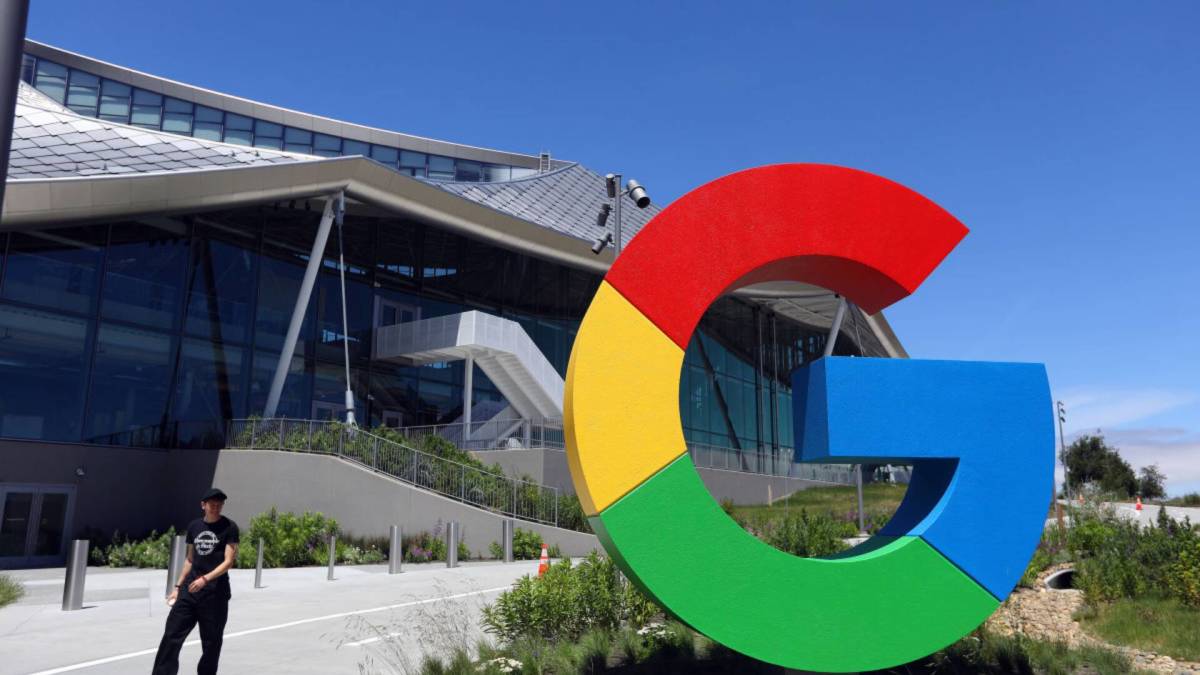 Google has introduced a new way to enhance and enjoy your favorite photos.
Image source: East Bay Times via Getty Images
Google launches photo-to-video feature on Android and iOS
On July 23, Google rolled out a photo-to-video feature powered by Veo 2 in Google Photos. This new creative tool will enable you to breathe a new life into your favorite memories.
This feature allows you to make videos from still photos, transform pictures into illustrations and more. It is already available in the U.S., both on Android-powered phones and iPhones.
Related: TikTok faces a new threat to its existence
How to convert an image to a video?
It is quite straightforward. You select a picture from your photo gallery and pick one of the two options:
- Subtle movements;
- I’m feeling lucky.
These prompts allow you to animate your photos and transform static images into lively short videos.
After the success with video generation tools in Gemini, Google decided to make these features more widely available.
Google is also launching another fun feature called “Remix.” With this tool, you can discover how you, your friends and family would look in comics, sketches, anime, and 3D animations.
Remix will be available in the U.S. on Android and iOS in a few weeks.
More Tech Stocks:
- Analyst who correctly predicted Rocket Lab stock surge resets forecast
- Verizon Q2 earnings report surprises with remarks on tax reform
- Fund manager who forecast Nvidia stock rally reboots outlook
To make these features simple and convenient to use, Google is also launching a new Create tab in the Photos app. This tab lets you choose from Photo to video, Remix, collages, highlight videos, and more.
The Create tab will be available in the U.S. next month.
Google adds creation tool for YouTube Shorts, stresses safety and transparency
Google Photos is not the only upgraded app with photo-to-video features. The YouTube app now allows users to transform images into video clips to create YouTube Shorts.
This allows you to convert old photos to video quickly. You can also choose to add movement to landscapes, animate everyday pictures, or play with new effects.
The Shorts camera has the Effect icon, from which you can tap on AI to choose from all the offered generative effects.
For example, suppose you want to make an adventure-inspired wild video. In that case, you can select your favorite good-looking selfie and transform it into a video of yourself swimming underwater while looking amazing.
Related: Epic Games’ Fortnite sued over game’s ‘addictive potential’
Google plans to further upgrade all these features and effects with more creative options to come soon.
The feature is free and will roll out next week across the U.S., Canada, Australia, and New Zealand. Later this year, the tool will be available in other regions.
Just like with Google Photos, the photo-to-video tool for YouTube Shorts is powered by Veo 2, but Veo 3 should come this summer.
Google stressed the importance of making sure AI tools are safely used, which is why it has added transparency. This means all videos and photos created with photo-to-video or Remix will contain invisible SynthID digital watermarks, like images edited with Reimagine in Photos.
Similar to videos made in Gemini, videos created in Photos will also have a viral watermark. Google has also created a team of hackers that simulate a variety of adversaries called Red Team (just like in the military) to assess potential problems and monitor activities to prevent abuse.
Since these features are new and experimental, Google is asking for users’ feedback to make additional improvements.