
A day after President Donald Trump gave the order for a series of strikes on Iranian nuclear facilities on June 22, the U.S. State Department put out a travel advisory urging “U.S. citizens worldwide to exercise increased caution.”
The war between Israel and Iran is now entering its third week, and despite several efforts at a ceasefire, missiles continue to be exchanged in both directions. The entire area remains on high alert as multiple strikes and retaliations escalate — on June 23, Iran retaliated by launching an attack on a U.S. air base in Qatar.
While the U.S. has had no diplomatic relations with Iran since 1980, many U.S. government workers and their family members in Lebanon have on June 14 been given voluntary leave to depart “due to the volatile and unpredictable security situation in the region.”
Don’t miss the move: SIGN UP for TheStreet’s FREE Daily news
Government orders ‘departure of family members and non-emergency government personnel’
With Israel continuing its strikes on portions of southern Lebanon, the State Department is now once again strengthened its travel advisory for the country. While Lebanon has been at level four’s “do not travel” warning for years amid periodic wars with Israel, the June 24 update orders “the departure of family members and non-emergency U.S. government personnel from Lebanon.”
“Do not travel to Lebanon due to crime, terrorism, civil unrest, kidnapping, unexploded landmines, and the risk of armed conflict,” the advisory reads further. “Some areas, especially near the borders, have increased risk.”
Related: New travel advisory tells Americans not to travel to Israel
Any government workers who remain at the U.S. embassy in Beirut have also been ordered not to travel outside their residences without applying for permission.
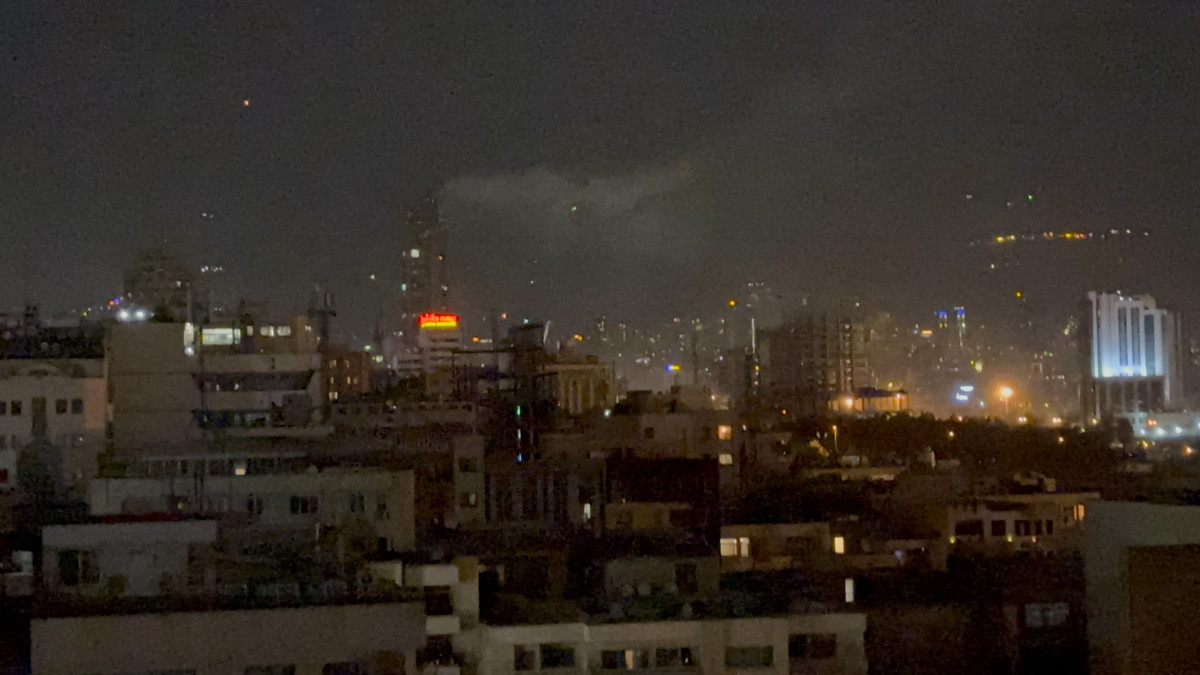 Israel and U.S. strikes on Iran have heightened the security situation across the Middle East.
Image source: SAN/Getty Images
‘Consular officers are not always able to travel to assist’
“U.S. citizens in Lebanon should be aware that consular officers from the U.S. Embassy are not always able to travel to assist them,” the advisory continues. “The Department of State considers the threat to U.S. government personnel in Beirut serious enough to require them to live and work under strict security. The internal security policies of the U.S. Embassy may be adjusted at any time and without advance notice.”
More on travel:
- US government issues sudden warning on France travel
- United Airlines places big bet on new flights to trendy destination
- Another country just issued a new visa requirement for visitors
Amid extended insecurity across the Middle East, multiple airlines have also canceled service to central hubs in the region.
American Airlines (AAL) canceled its daily flight to Qatar from Philadelphia International Airport until June 30, while United Airlines (UAL) also recently extended the suspension of its flight to Dubai from Newark Liberty until the start of July.
“We will continue to monitor the situation with safety and security top of mind and make any additional adjustments as needed,” American Airlines said in a statement.
While U.S. airlines currently do not fly to Iran or Lebanon, global airlines like Lufthansa (DLAKF) and Air France (AFRAF) have also suspended all services they offered to these countries in the middle of June.
Israel, which has closed its main Ben Gurion Airport to all but very limited evacuation flights on June 18, has recently reopened its airspace and resumed some commercial routes. Countries that also closed their airspace after Iran struck the U.S. air base include Qatar, Kuwait, Bahrain, and United Arab Emirates.
Related: Veteran fund manager issues dire S&P 500 warning for 2025