
Mid-priced steakhouses have struggled because they sit between two categories.
A national chain like Outback Steakhouse offers good value compared to pricier chains such as Morton’s, Ruth Chris, or STK, but does not compare favorably on price with rivals including Chili’s, Applebee’s, and other similar restaurants.
Outback Steakhouse, a mid-priced steakhouse chain, has fallen into that trap and has closed 41 underperforming locations, while revamping operations at the chain’s remaining locations.
“It’s consistency of execution. It really is…We’ve got to address the quality, we’ve got to address the value. We’ve got to address the guest experience. Outback is a great business. It is a great brand. We’ve got a great team. It’s very on trend in terms of the category. It is a very fixable business,” CEO Mike Spanos said during Bloomin Brands’ fourth-quarter earnings call.
It’s a challenging space because when you build a business around an expensive protein (steak), you put pressure on margins, and this makes your business a challenging value proposition with consumers.
Lone Star Steakhouse had a quick rise and fall
Lone Star Steakhouse was in many ways a precursor to current favorites such as Texas Roadhouse and LongHorn Steakhouse. It was a family-friendly steakhouse chain that offered affordable prices, at least compared to higher-end steakhouses, and it helped pioneer what has not become a familiar format.
“Lone Star Steakhouse was not the first of its kind, but it was an early adopter of the food and decor trends that can still be seen at steakhouses today. What’s more, its affordable prices, lively atmosphere, and widespread accessibility helped the Texan-themed steakhouse rise to the ranks of greatness. Yet things have since gone so wrong for Lone Star that it only has a single location left,” Mashed reported.
The chain had a rapid rise, launching in 1989 and climbing to 267 locations by 1998.
Lone Star’s undoing was partially due to economic conditions.
“Despite the looming financial crisis that would later be known as The Great Recession, Lone Star’s management pushed ahead with opening new restaurants. This strategy worked right up until it didn’t…and the closings started,” Newsbreak reported.
More Restaurants
- Taco Bell and KFC work on simplifying their restaurants
- Chick-fil-A making major change to 425 restaurants nationwide
- Bankrupt beer and pizza restaurant chain closes locations
- Restaurant chain famed for rude waiters closes multiple locations
The chain’s fall was swift.
“Massive competition and declining sales caught up with the chain, and it was sold twice to private equity firms that essentially ran it into the ground with questionable decisions (like selling real estate and leasing it back) that momentarily pleased shareholders, but ultimately spelled doom for the business,” the website added.
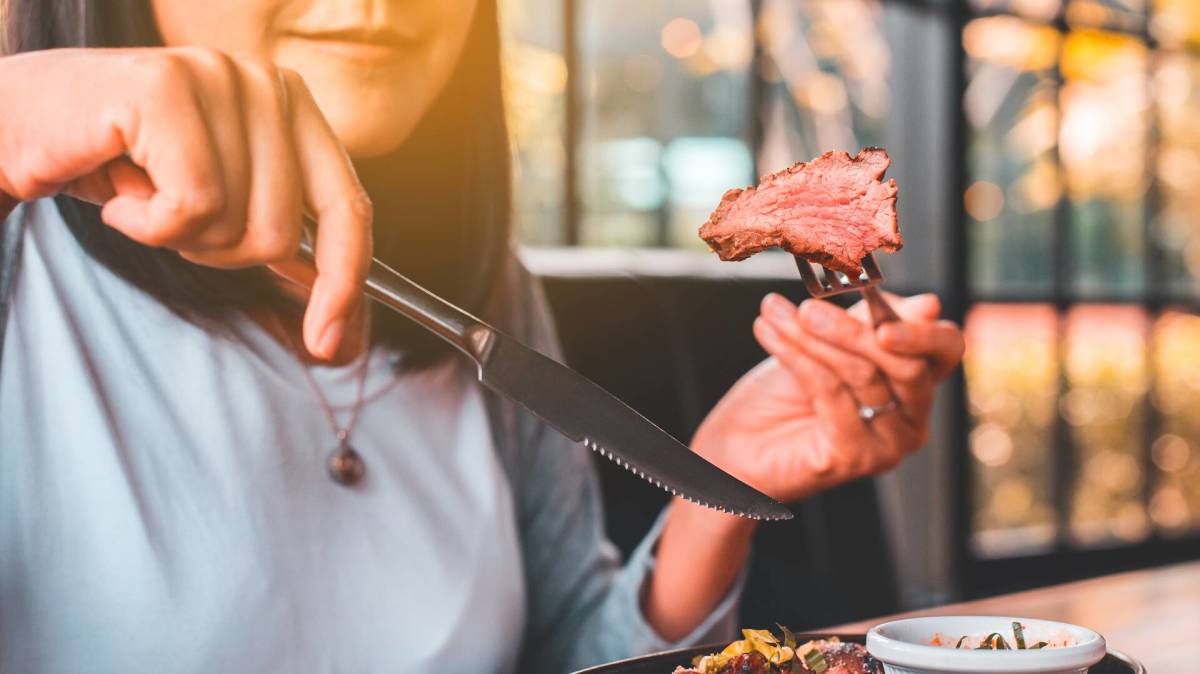 Mid-price steakhouses have both thrived and struggled.
Shutterstock
Lone Star Steakhouse & Saloon: Timeline & Store Count
- 1989: Lone Star Steakhouse & Saloon opens its first restaurant in Winston-Salem, North Carolina, according to AOL.com.
- 1992: Company goes public with eight restaurants operating at the time of its IPO, reported Mashed.
- 1995: Chain expands rapidly to about 182 restaurants nationwide, added Mashed.
- 1998: Lone Star reaches its peak size of roughly 267 locations, according to Mashed.
- January 2000: Company announces the closure of 24 underperforming restaurants, according to a press release.
- December 2006: Lone Star was taken private by Lone Star Funds , with about 220 restaurants at the time, according to Nation’s Restaurant News (NRN).
- March 2008: Chain closes 26 restaurants, reducing the system to about 169 locations, according to NRN.
- March 2008: Lone Star enters a $69 million sale-leaseback deal covering 35 restaurants to improve liquidity, NRN reported.
- September 2010: Company shutters 19 more locations, leaving roughly 112 restaurants, added NRN.
- 2013: Lone Star is sold to Day Star Restaurant Group, with about 78 locations remaining, reported Mashed.
- 2016: Store count falls sharply to around 16 restaurants as closures accelerate, added Mashed.
- February 13, 2017: Lone Star files for Chapter 11 bankruptcy, later converted to Chapter 7 liquidation, according to PacerMonitor.
- 2018: Only four U.S. locations remain listed, all of which later close, added Newsbreak.2020s: Just one independently operated Lone Star Steakhouse remains, located in Guam, reported GCB Today.
One Lone Star Steakhouse remains
Like my childhood favorite, York Steakhouse, Lone Star Steakhouse now has a single remaining location. But unlike York, which has one independent location operating in Ohio, Lone Star Steakhouse fans will have to leave the continental United States to visit the chain, as its final restaurant is in the U.S. island territory of Guam.
The chain failed for a number of reasons, but the economy was a prime factor.
“To many, this is a tale about a company that, like so many other struggling steakhouse chains, floundered in an oversaturated market. With nothing able to set Lone Star apart from its many competitors, much of its downfall had to do with its see-sawing presence on the stock market, executive errors, and destabilizing mistrust amongst the company’s shareholders,” Mashed reported.
Between 2002 and 2012, Lone Star Steakhouse U.S. sales fell by $289 million, the fifth largest drop among restaurants reviewed by Technomic, reported 24/7 Wall Street.
“Lone Star suffered from tremendous competition. Competing restaurants in the $12-to-$20 steakhouse segment, such as LongHorn and Texas Roadhouse,” according to Technomic Executive Vice President Darren Tristano.
Related: Iconic 39-year-old cable network faces Chapter 11 bankruptcy