
Capital gains tax on the sale of a home was enacted as part of the Revenue Act of 1921, but the Taxpayer Relief Act of 1997 set the stage for current capital gains tax deductions. Homeowners filing jointly are able to deduct $500,000 of their home sales capital gains from their taxable income, while single filers can deduct $250,000.
Critics of this system argue that it discourages sellers to list their homes in a stagnant market, especially if they are giving up a competitive mortgage rate below 6% in the process.
🏦 🏡 Don’t miss the move: SIGN UP for TheStreet’s FREE daily newsletter 🏦 🏡
President Donald Trump recently told reporters at the White House that his administration is weighing removing the capital gains tax on home sales, as a method of stimulating the housing market.
However, doing so could create cause tax revenue shortfalls, adding to the ballooning national deficit.
Still, in lieu of the Fed cutting interest rates, some experts believe it could create enough goodwill to increase inventory and revive homebuyer demand.
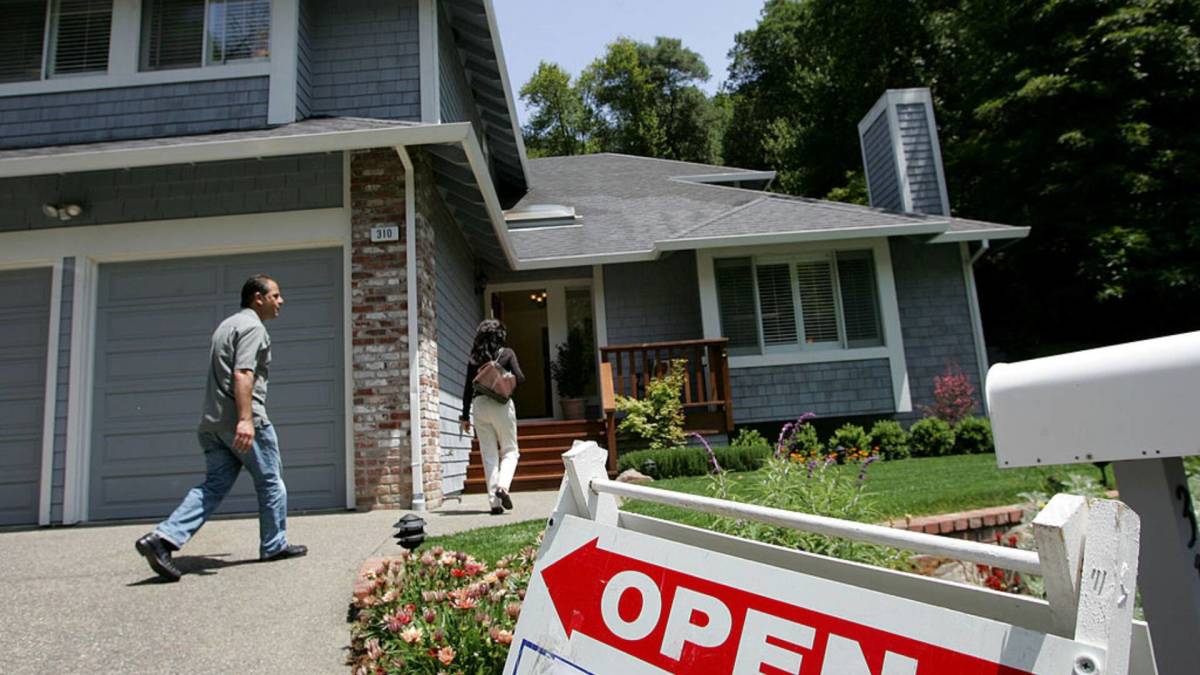 Homeownership has become increasingly unaffordable for homebuyers, with limited inventory driving up prices and competition. To incentivize sellers to list their homes, the Trump administration has suggested removing the capital gains tax on primary sales.
Image source: Sullivan/Getty Images
Trump administration considers removing capital gains taxes on home sales to revive housing market
The housing market has faced considerable gridlock over the past few years. Elevated mortgage rates, rising home prices, and limited affordable inventory have deterred would-be homebuyers, and sellers remain unmotivated to list their homes and take on a new mortgage at a higher rate.
However, sellers also face considerable taxes on all proceeds from home sales. Though the sale of a primary residence is eligible for a $250,000 tax deduction for single filers and a $500,000 tax deduction for those filing taxes jointly, some note that these are not enough for the current housing market.
Housing experts theorize that the significant tax burden on sellers is adding to seller hesitance, and increasing tax deductions could incentivize sellers and increase the housing supply.
More on homebuying:
- The White House will take surprising approach to curb mortgage rates
- Housing expert reveals surprising ways to reduce your mortgage rate
- Dave Ramsey predicts major mortgage rate changes are coming soon
- Warren Buffett’s Berkshire Hathaway sounds the alarm on the 2025 housing market
However, President Trump told reports last week that he is considering removing capital gains taxes on home sales altogether. “If the Fed would lower the [interest] rates, we wouldn’t even have to do that,” he said. “But we are thinking about no tax on capital gains on houses.”
However, Reuters highlights that this measure would likely do little to help average Americans struggling to make ends meet and buy a modest home.
“Trump’s political opponents say the measures will mainly help the rich and add trillions of dollars to U.S. national debt, only partially offset by deep cuts to health care and other benefits for the poor.”
Capital gains tax on home sales doesn’t account for decades of inflated housing prices
The taxation of home sales proceeds hasn’t been updated since capital gains taxes on primary residences were implemented in 1997. Critics argue that the current tax exemptions don’t account for the recent surge in inflation over the past few years, raising the value of homes across the board.
Though home sales tax rates depend on income, how long the home was owned, and whether homeowners are filing jointly or separately, rates can vary between 0%, 15%, and 20% for long-term capital gains.
Related: Bank of America predicts major housing market changes are coming soon
Though President Trump suggested removing capital gains taxes on housing sales entirely, tax and housing experts believe that outcome is unlikely. However, increasing tax exemptions to better match home values could be on the table.
“I think this could generate some interest, but they’re more likely to raise the exemption than they are to eliminate the tax entirely,” Urban-Brookings Tax Policy Center Senior Fellow Howard Gleckman told CNBC.
While raising capital gains tax exemptions could help homeowners undo some of the current housing gridlock, the shortfall in tax revenue could create more issues for the Trump administration.
Related: Veteran fund manager unveils eye-popping S&P 500 forecast