
Honda, a generally reliable automaker, has initiated several significant recalls in the fourth quarter of this year.
For at least the third time over this past month and a half, the Japanese auto giant is issuing a massive recall for a hazardous issue.
The first recall, announced on Oct. 31 through the National Highway Traffic Safety Administration (NHTSA), involves Honda Civic models spanning six model years. Honda Civics from model years 2016 to 2021 with 18-inch alloy wheels are affected.
The company warned that loose or missing lug seat inserts could cause the wheel nuts to loosen over time, potentially leading to wheel separation during use.
According to the safety recall report, the defect originated when a factory worker at the wheel supplier’s facility in Italy moved a safety fence that separated finished wheels from unfinished ones.
In November, Honda announced a recall of more than 250,000 Accord Hybrids due to a potentially dangerous software flaw that could cause the CPU to reset while driving, resulting in the car losing drive power, according to an NHTSA alert.
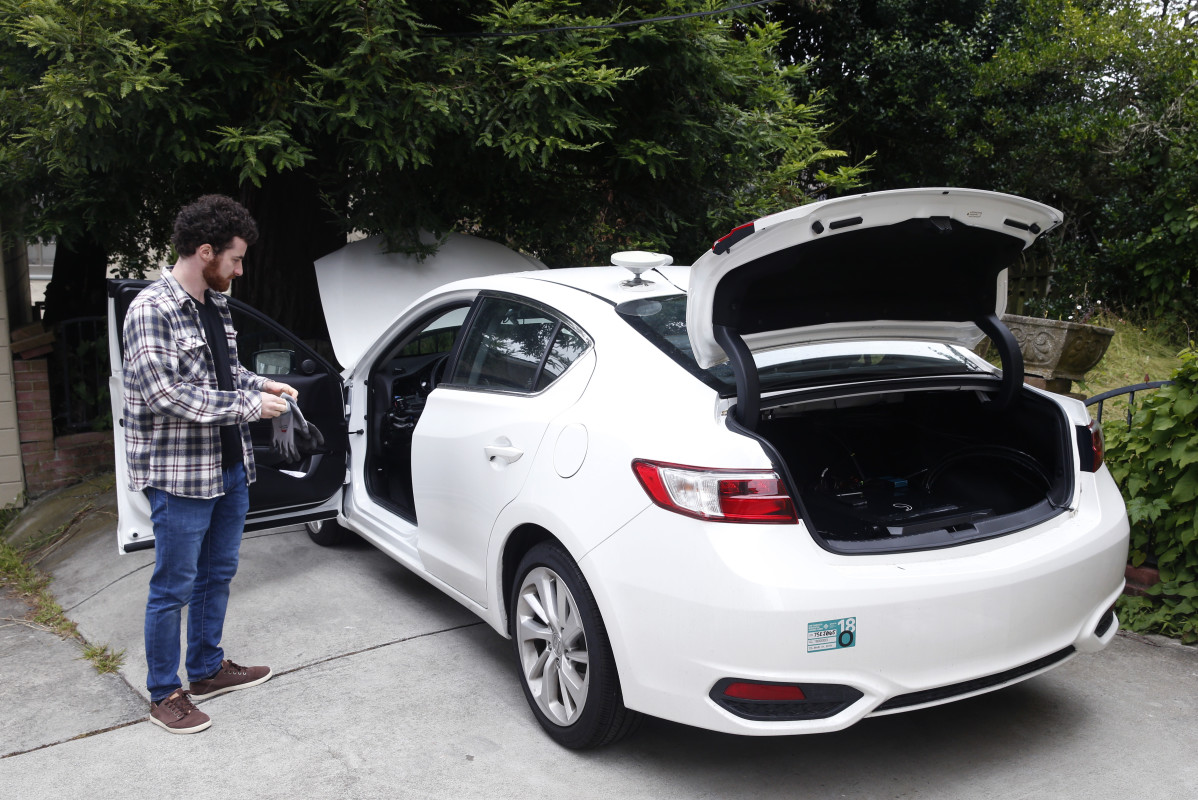 The Acura ILX is a part of the latest Honda safety recall.
Photo by San Francisco Chronicle/Hearst Newspapers on Getty Images
Honda adds to late-year recall count
On Wednesday, the National Highway Traffic Administration announced that Honda is recalling 70,658 vehicles in the U.S. due to reduced brake function that can extend the distance required to stop, increasing the risk of a crash or injury.
Honda told regulators that the issue was identified through internal investigations and customer feedback. While it says it has not reported any fatalities related to the problem, it did acknowledge that the compromised braking poses a safety concern.
Related: Honda recalls more than 250,000 vehicles over dangerous software flaw
Honda dealers will inspect the impacted vehicles at no cost to customers.
The recall affects Acura ILX vehicles manufactured from 2014 to 2020 due to a residual plasticizer in the brake reservoir hose, which causes the master cylinder seal to swell.
The defect can reduce brake-pedal firmness and increase stopping distances.
NHTSA annual report shows millions of recalled vehicles have not been fixed
The National Highway Traffic Administration has recorded a disturbing trend over the past five years. Millions of Americans are driving around in vehicles that have been recalled but were never fixed, according to NHTSA data.
While the number of vehicles recalled is trending lower, the number of recalls issued has remained elevated above pre-Covid levels.
There were fewer than 30 million recalls in 2024, marking the third time this has happened in the last 10 years, yet more than 1,000 recalls were issued for the fourth consecutive year.
Related: Honda recalls 406,000 vehicles for potentially deadly flaw
Between 2015 and 2024, approximately 12 million vehicles were recalled due to safety defects that could prevent airbags from deploying. Approximately 22%, or 2.6 million, of the affected vehicles remain unfixed, according to data analyzed by The Wall Street Journal.
Q3 safety report shows recalls hit nearly two-year high
Automakers issued recalls affecting more than 8.49 million vehicles in the third quarter, a 16% sequential increase, according to BizzyCar.
The third quarter was the second consecutive of elevated recall volumes and the highest total recorded since Q1 2024.
“As vehicles become increasingly software-driven and reliant on advanced electronics, recalls are shifting toward critical safety and digital components,” according to BizzyCar.
Ford continued to pad its recall lead in the quarter, issuing recalls that affected more than 5 million vehicles. Stellantis, Toyota, Hyundai, and BMW, the next four biggest recallers, even combined, barely reach half of the number of vehicles Ford recalled.
Related: Latest Stellantis recall adds to disturbing industry trend