
As Congress barrels toward another budget deadline, one of the biggest potential casualties of a government shutdown would be the nation’s parks and museums — and the local economies that depend on them.
A prolonged closure could disrupt billions in annual tourism revenue, hit airlines and hotels during the busy fall travel season, and leave small businesses near national parks scrambling.
The U.S. government faces a shutdown at 12:01 a.m. on Wednesday, October 1, 2025, if the two parties in Congress can’t come together to pass a funding bill.
A shutdown would affect everything from Food and Drug Administration food safety inspections to the Environmental Protection Agency’s drinking water inspections and Yellowstone, Yosemite, and National Air and Space Museum operations.
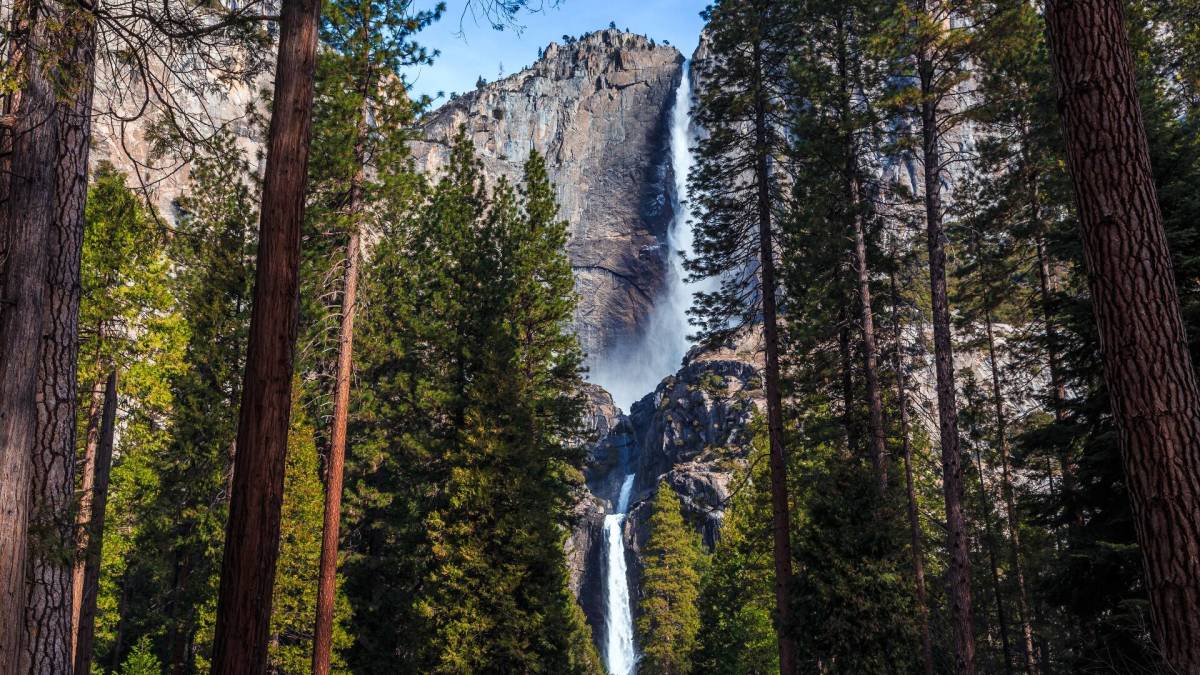 Yosemite National Park is a popular destination for many Americans.
Image source: Shutterstock
National parks: big economic engines
The National Park Service manages more than 400 sites across the U.S.
In 2024, those parks recorded a record 331.9 million recreation visits, generating roughly $56.3 billion in economic output, according to NPS data. The NPS also supports 415,400 jobs in local gateway communities, federal data indicate.
So-called gateway towns — from Bar Harbor, Maine, to Moab, Utah — rely on that steady stream of visitors to fill hotels, restaurants, gas stations, and gear shops.
Related: Home furnishing retailer closes stores in Chapter 11 bankruptcy
A shutdown would halt ranger services, close visitor centers, and in many cases lock entry gates entirely. That could mean millions in lost revenue every day.
For example, NPS reports show strong local impacts:
- Great Smoky Mountains visitor spending in recent years measured in the billions.
- Yellowstone visitor spending produced roughly $828 million in local economic benefit.
- Grand Canyon visitor spending supported nearly $1.0 billion in local economic output, NPS data shows.
Key numbers related to national parks and museums
- 415,400 jobs: Jobs supported by national park visitation in local gateway communities
- $77 million/day: Estimated losses to local economies per day if parks are closed during peak travel periods
If park gates close even for a week, local economies could face sharp losses. Seasonal businesses, already operating on thin margins, risk layoffs and cancellations.
Museums and cultural institutions
The Smithsonian Institution — which operates 21 museums and the National Zoo — draws roughly 23 million annual visits. Admission is free, but museum visitation supports nearby hotels, restaurants, ride-shares, and retail spending.
During prior shutdowns, Smithsonian closures were estimated to cost D.C. businesses more than $1 million per day.
Travel and hospitality ripple effects
Travelers with national park trips may cancel flights, hotel bookings, and car rentals. Airlines serving park hubs and regional hotel markets could see softer demand; publicly traded hotel chains and airlines may need to reassess near-term revenue projections if visitation is curtailed.
Tour operators, guides, and outfitters that book months in advance would face immediate cancellations and refunds.
Unlike airlines or large hotel chains with diversified revenue, small gateway businesses have few buffers. An autumn shutdown that coincides with peak fall travel could leave inns, restaurants, and guide services with little time to recoup lost revenue.
What’s next for national parks as shutdown looms
The Department of the Interior’s contingency guidance historically calls for most parks to close in a shutdown, with only minimal essential staff retained. Practical effects and reopening timelines depend on the length of the shutdown and whether states or private partners step in to keep sites operating.
If Congress does not avert a shutdown, the immediate economic impact will be local and measurable. Recovery — rehiring seasonal staff, restoring services, and repairing deferred maintenance — can take weeks to months.
Related: Costco shares surprising holiday inventory plans for members