
TheStreet aims to feature only the best products and services. If you buy something via one of our links, we may earn a commission.
Shoes might not be the first part of an outfit that you pick out when you go to get dressed, but some would argue they’re the most important thing you put on each day. When you’re headed out the door to the office, driving the kids around to their extracurriculars, running errands, spending time with friends, or relaxing in the comfort of your own home, shoes are the support systems to the feet that take you from one place to another. And when you don’t have the right footwear, your outfit isn’t the only thing that suffers.
Ill-fitting, ill-made, and unsupportive shoes can cause discomfort and pain as well as long-term foot issues. When a shoe is too tight, skin can get irritated, causing blisters, corns, calluses, and painful ingrown toenails, which makes every time you go to put one on a painful experience. Other times, particularly in cases where you’re exercising or getting active, a lack of cushioning or arch support can cause you to develop plantar fasciitis, tendinitis, stress fractures, and chronic inflammation. And it’s not just your feet that are affected. When the feet struggle with issues, this can cause pain to spread to other areas of your body, like your ankles, knees, hips, and spine over time.
Long story short — no one should be in pain, and even though a stunning pair of heels or a cute pair of flip flops sounds good in the short term, there are far better options that still look good but pamper and protect your feet in the long run. If you find yourself a bit overwhelmed figuring out the next steps once you have the answer to those questions, look no further than below for a more in-depth look on selecting the perfect pair of shoes for you.
For running and walking
All shoes are not created equal, and that’s certainly made clear when you consider that you can’t just throw on any pair of sneakers to go running or walking. Those who enjoy getting active and getting their heart rate up should consider a few things when selecting shoes for endurance activities. For one thing, fabric and material is very important to note, because you want a shoe that’s breathable. Without proper airflow, your feet can easily become overly hot and sweaty. When your feet get damp from sweat, they are more prone to chafing and rubbing, leading you to develop blisters and making you more prone to developing infections like athlete’s foot. To alleviate this risk, it’s best to opt for engineered mesh made from synthetic fibers like polyester or nylon, or performance knits, something the revered sneaker brand Allbirds, is known for.
Other key things to look for are proper cushioning and shock absorption. When shoes are constructed correctly with impact-absorbing cushioning, your foot and heel remain stable even as it connects with the pavement. It’s what encourages the propelling motion that pushes you forward after each step while keeping your foot properly supported as it makes contact with the ground. Running shoes are going to be more flexible and have that heavy heel cushioning because it’s a more high-impact activity, whereas cross-training shoes have stiffer sides that keep your foot more fixed in place. When it comes to choosing the right ones for you, it can’t hurt to consult an expert at the store, since they can best advise you on the right sneaker based on your activity level, mileage, and endurance.
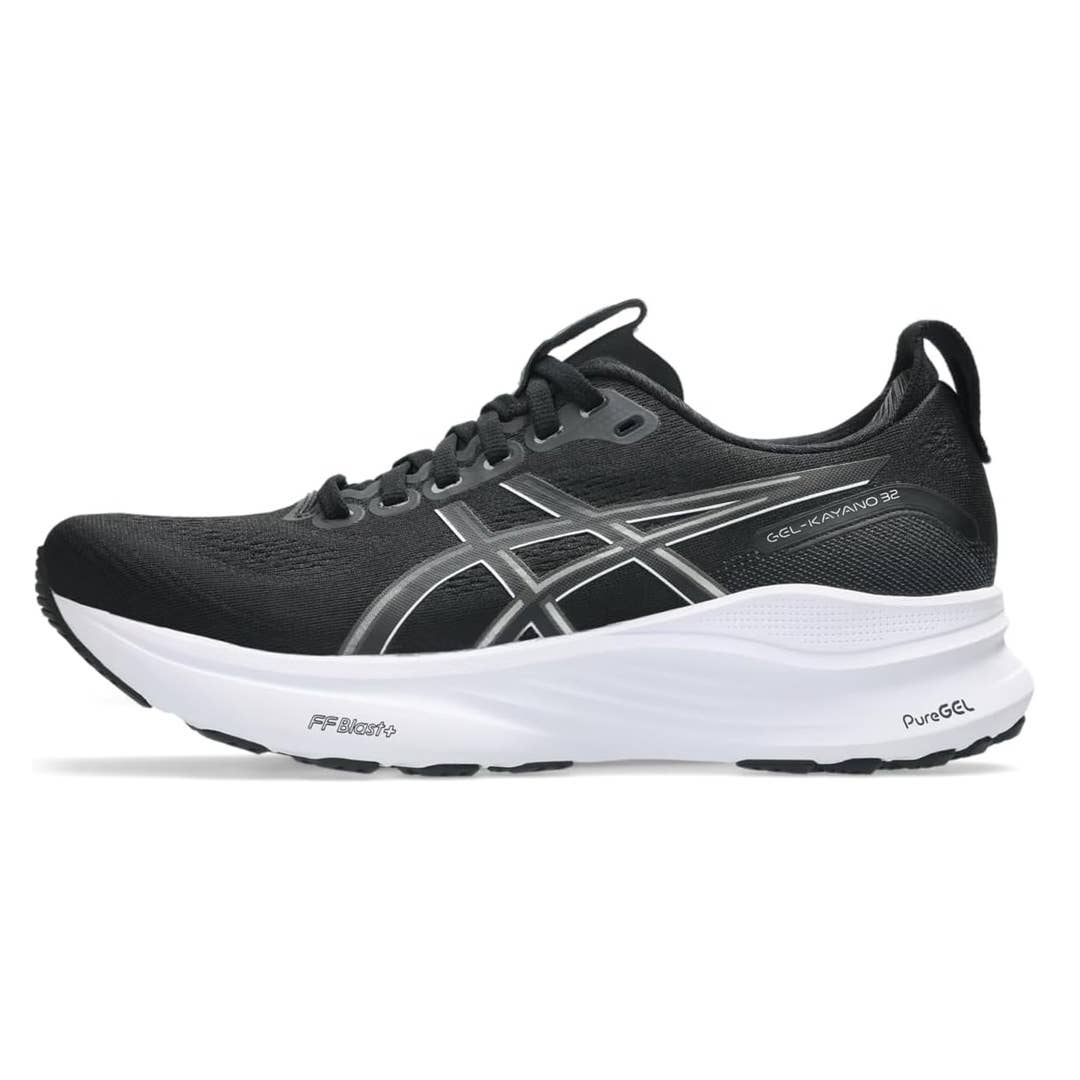
Asics Gel-Kayano 32 Running Shoes
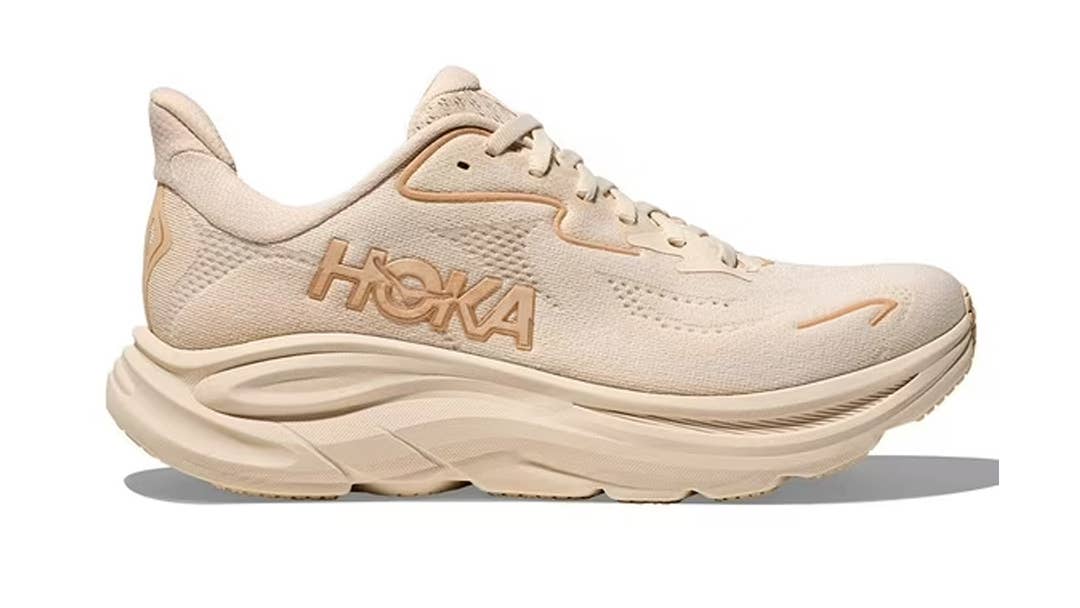
Hoka Clifton 10 Sneaker
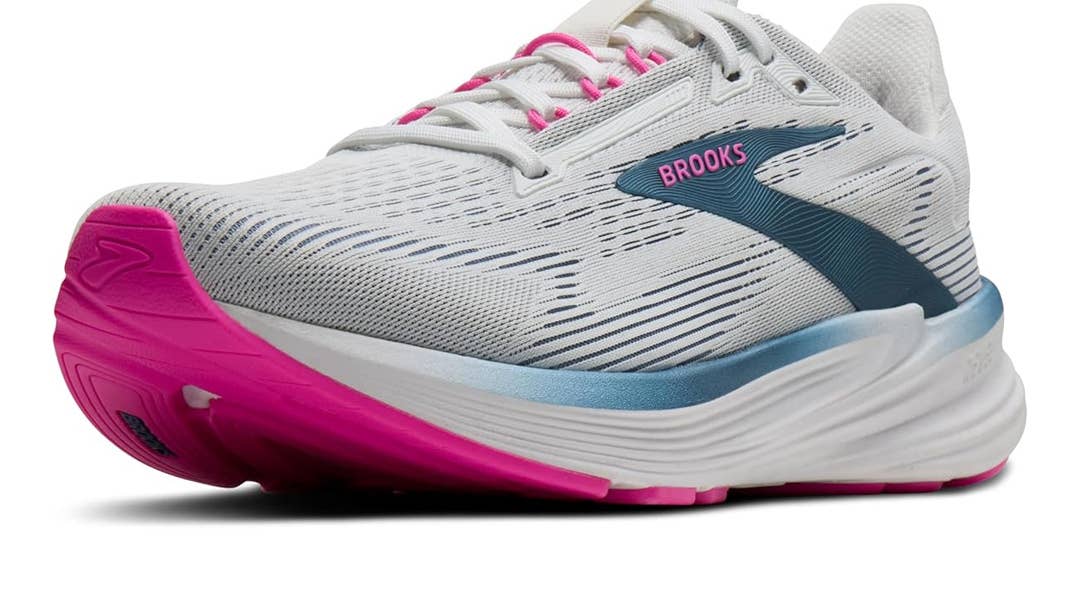
Brooks Revel 8 Neutral Running & Walking Shoe
For everyday use
Your everyday shoes don’t necessarily need to handle high-impact activity the way a walking or running shoe does, but they do need to be comfortable and long-lasting. As the pair you wear when you’re bouncing between errands and extracurriculars, they need to be durable and able to withstand whatever is on your daily agenda. Whether you’re standing or walking, you need a shoe that can keep up with you and feel comfortable no matter how many hours you’re wearing it. This is why looking for cushioned support is essential to finding the perfect everyday shoe, as is a firm heel cup to help keep your ankles stable while still being flexible to change direction with ease.
These days, there are a lot of fun styles and designs, so you can still look chic and feel super supported. That said, a cleaner, more minimalist design is often a great option because it makes it easy to pair with a variety of outfits, saving you money in the long run since one pair of shoes does the work of four.
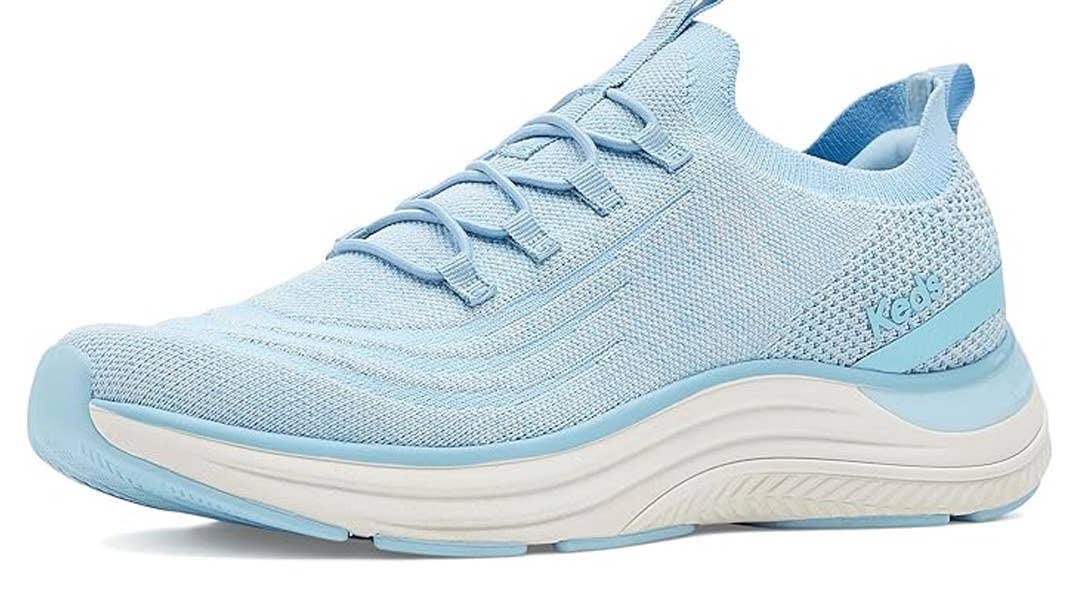
Keds Blissmove Slip-On
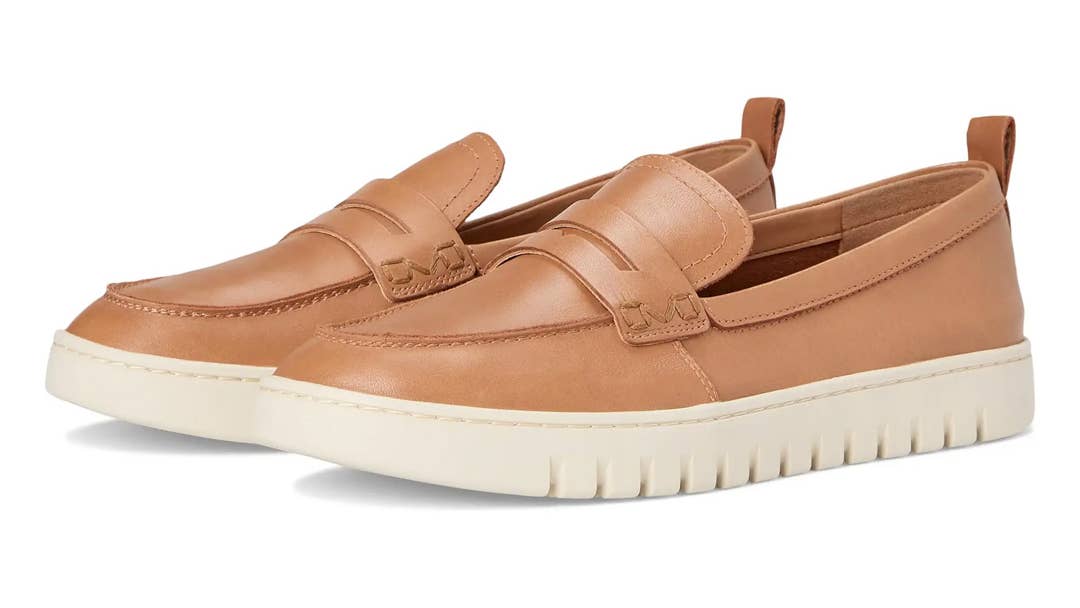
Vionic Uptown Loafer
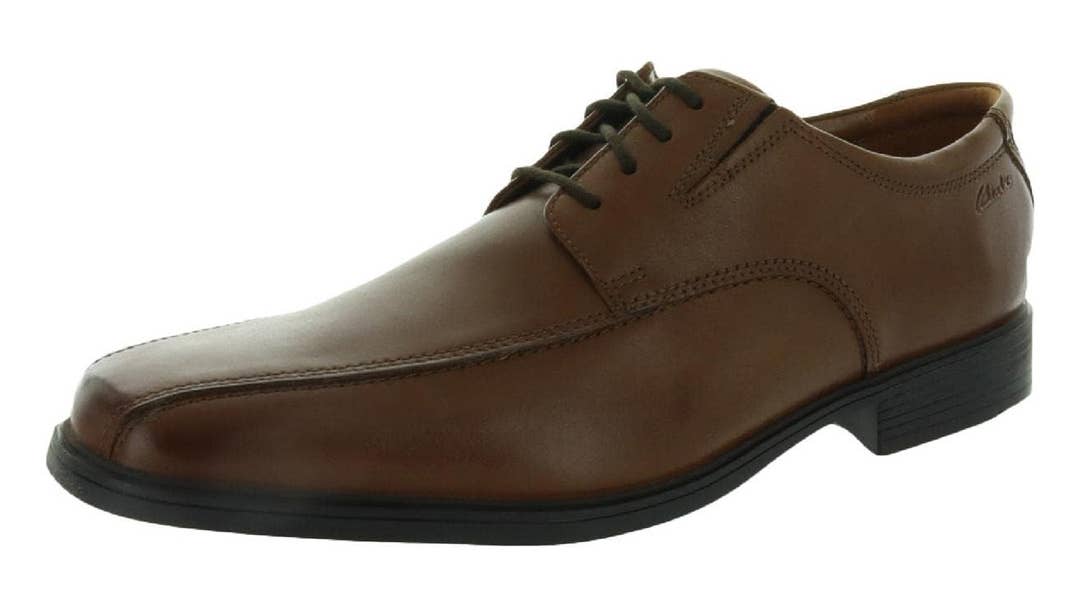
Clarks Derby Lace-Up
For summer
Flip-flops might be the go-to summer shoe, but the downsides to rocking the iconic rubber style far outweigh the benefits. Although a great option to slide on and go, flip-flops lack support and stability, and they alter your natural gait, which can lead to injury or pain. Because the tongue of a flip-flop isn’t super sturdy, the gripping action that your toes do to “hold on” to the bottom of the shoe can cause plantar fasciitis, tendonitis, and hammertoes, and without shock absorption, your knees, hips, and lower back can all be susceptible to pain over time. A good alternative? A nice sturdy sandal.
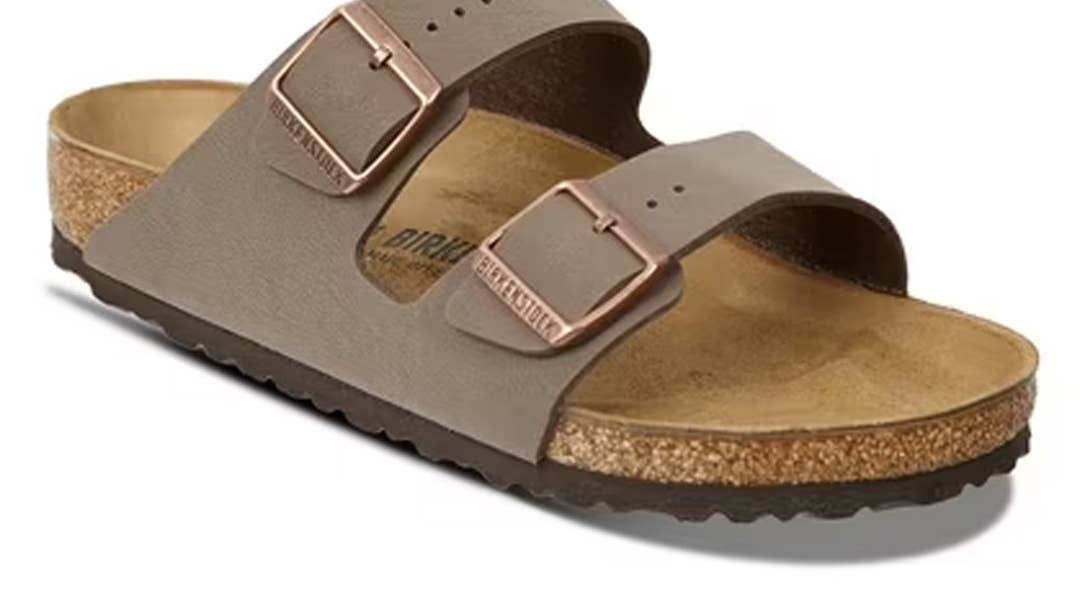
Generally better for your foot health, sandals typically are more supportive to the foot because they have a contoured footbed with good shock absorption, offer arch support and cushioning, and they have a sturdier sole. They’re far more secure because of their straps that keep them firmly attached to your foot, and they provide better ankle stability and reduced toe strain. Plus, because sandals typically use a strap rather than a thong, there’s no irritating toe friction or rubbing. Not only that, but many sandals are built to last quite a long time. Brands like Birkenstock and Teva are praised for their long-lasting styles that you don’t have to replace for years.
Although overall a covered shoe is generally better for safety reasons — as your feet aren’t exposed to the sun and other elements — if you have to pick between the two, a sandal is always your best option.
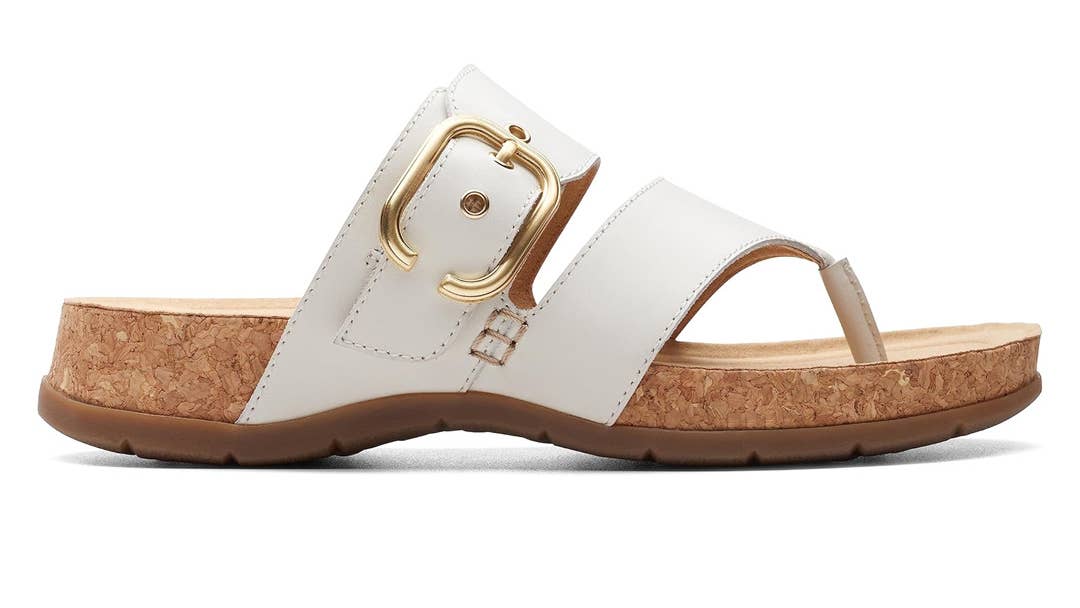
Clarks Reileigh Park Sandal
Birkenstock Unisex Footbed Sandal
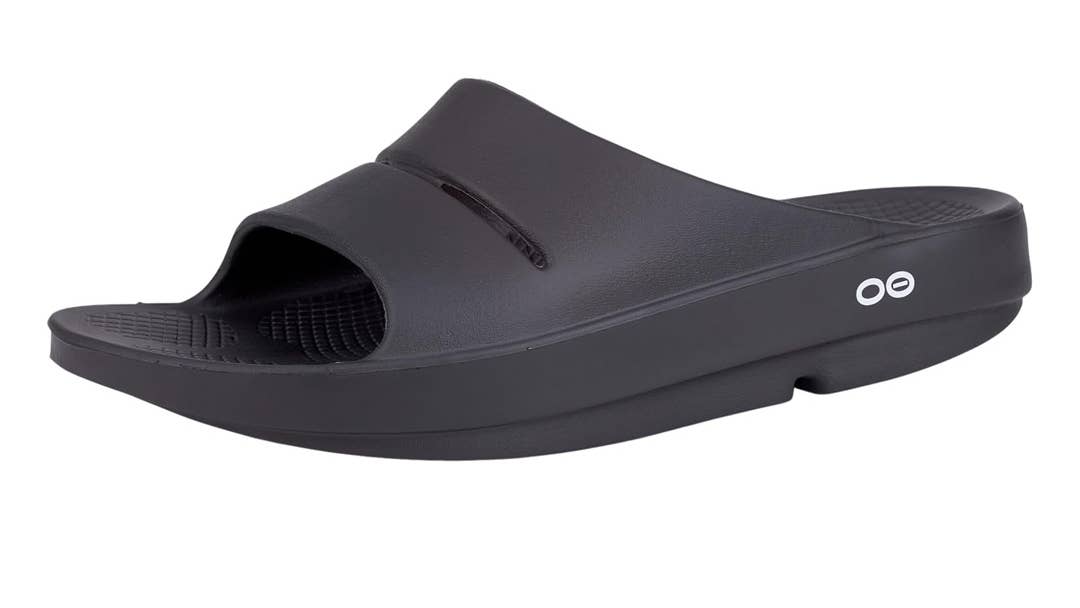
Oofos Ooahh Recovery Slide
For winter
When it comes to a winter shoe, it’s all about durability. Winter weather can bring a whole host of nasty weather to your area, and you need a shoe that can keep you warm, keep you from slipping, and keep you from getting wet. Whether you’re shoveling the driveway or running errands during a chilly December or January, a good winter shoe should be waterproof, well-insulated, and slip-resistant with a textured tread that keeps you upright and in place.
Just keep in mind that when shopping, water resistant and waterproof are not the same thing. Water-resistant means that an item can withstand water penetration to an extent but it will eventually soak through a shoe or piece or clothing, whereas waterproof means the item is completely protected against water and it will stay completely dry no matter what. This difference is key especially if you’ll be dealing with wet and cold conditions.
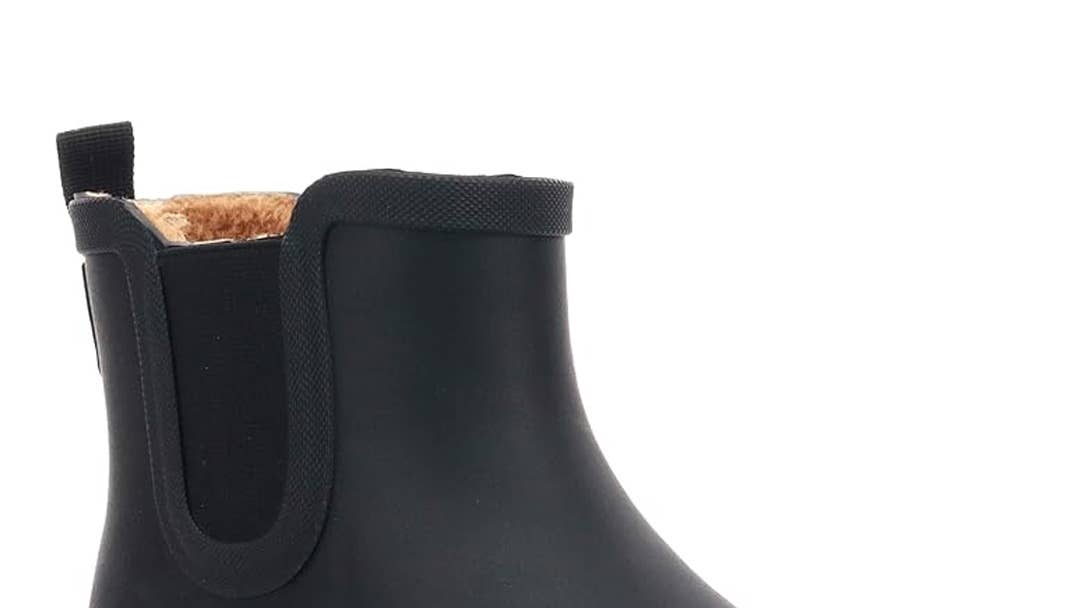
Chooka Chelsea Bootie
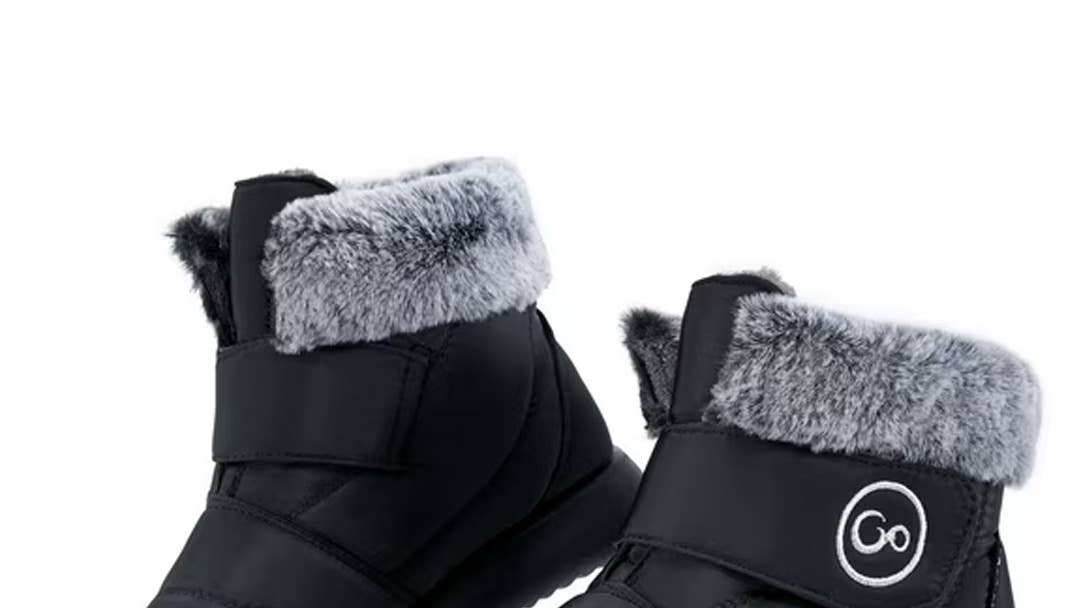
Ecetana Snow Boots
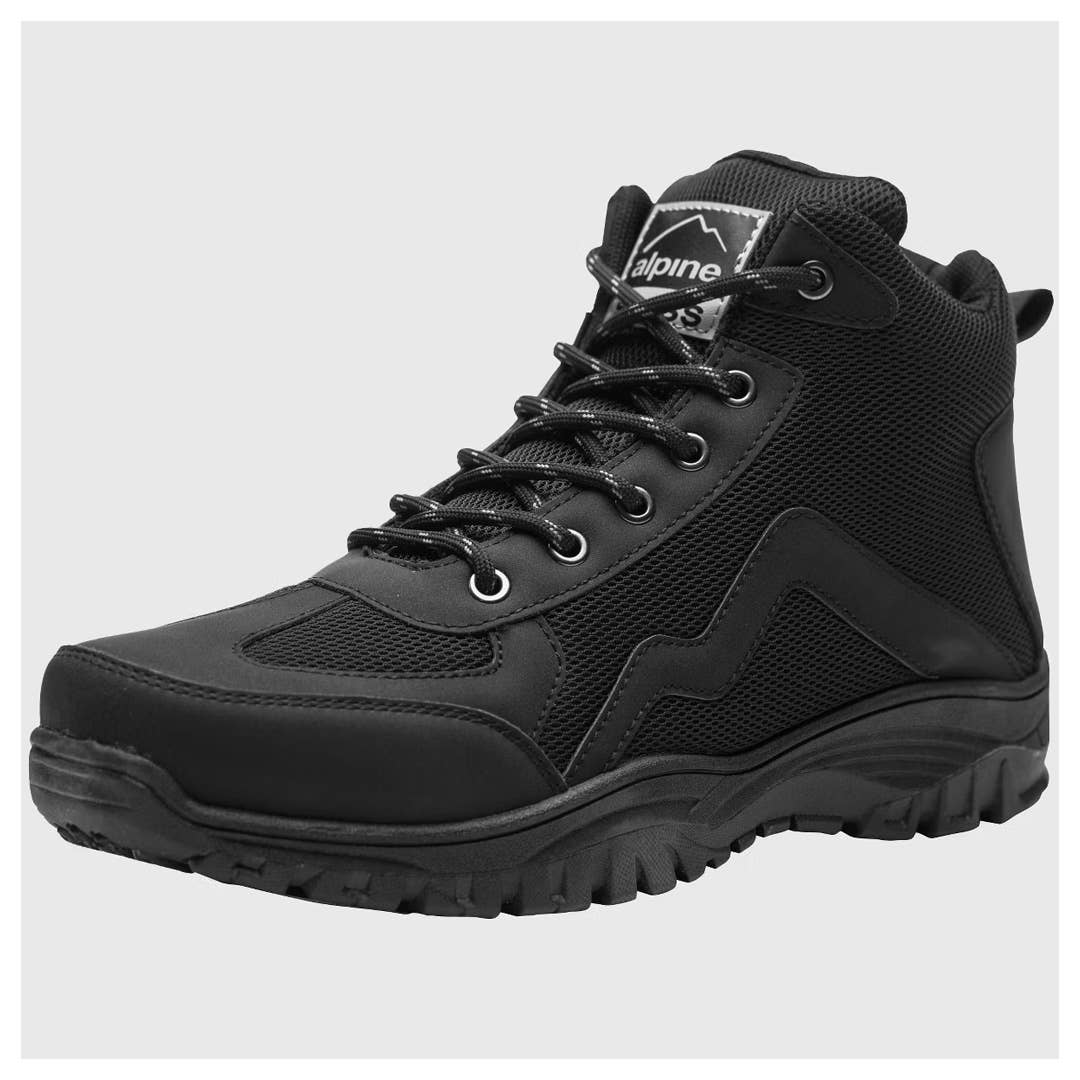
Alpine Swiss Brent Boots
How do I choose the best one for me?
Choosing how you’re going to use your shoe isn’t hard, but finding the right one in each category might be. For one thing, you can always consult the experts. A lot of running stores have employees with expert knowledge that can help them fit you with the right shoe based on your own personal needs, workout goals, and other factors, so feel free to use them. For shoes in general, there are brands that the American Podiatric Medical Association considers quality options for foot and ankle health. The APMA has a full list here of brands that make everything from women’s shoes, men’s shoes, and children’s shoes to socks and hosiery, insoles, and more that they back and fully support as great products found to promote good foot health. It’s another great resource to consult when shopping for your newest closet addition.
What do I need to keep in mind when shopping for shoes?
There are a few things to consider when it comes to picking out the right shoes. With any style of shoe, there are some general things to consider when you’re figuring out what’s worth the purchase.
Arch support is a huge factor to consider. Depending on what kind of foot you have, not every shoe will be designed to support your arches. Neutral or normal feet, where half of the middle of the foot connects to the ground, typically have more options than those with flat or high arches, but for those with the latter, you can certainly find suitable options.
If you have a flat or low arch, that means that almost the entire sole of your foot touches the ground. This makes you prone to rolling inward, or overpronation, which can lead to muscle stress or heel and arch pain. To prevent this, targeted arch support that’s low, firm and flexible is ideal, and a lot of times shoes can be made to accommodate your feet with insertable orthotics. If you have flat feet, you should look for either shoes with arch support that specifically helps manage overpronation or a firm midsole.
For those with high arches, where little to no part of the center of the foot touches the ground, you need to look for footwear with more contoured arch support, a flexible midsole, or a shoe with excellent shock absorption. This way, the shoe almost comes up to meet the part of the foot that doesn’t sit evenly flat to better distribute pressure and prevent excessive foot strain.
Other factors to consider when shopping for shoes are the size of the toebox, the time of day you go shopping for shoes, and of course, function. Many women’s shoes have a narrower toebox, meaning those with wider feet might need to consider unisex or male styles. A large enough toebox is necessary to allow your toes to rest and spread naturally. If they’re jammed into a small one, your risk for chafing and rubbing greatly increases, leading to painful blisters, bunions, and hammertoes, and overall your gait is thrown off.
The time of day you go shopping for shoes also absolutely matters. Throughout the day, your feet typically become wider and larger as they swell through prolonged standing, walking, and gravity, as well as with daily fluid intake. In order to make sure that you purchase something that actually fits, the best time to shop is when your feet are at their biggest size in the late afternoon or evening.
As for function, this relates to how you see yourself using the shoes. Are you an active exerciser who runs or walks frequently? What season is it? Are you planning on wearing these shoes during warm, sunny days or will you be more exposed to a wintry mix during the colder months of the year? Will you be wearing them for long periods of time? These are all key questions to ask yourself because they affect which shoes are your best move.
TheStreet Shopping is your guide for shopping insights and advice. We look beyond the price tag to find the best value in home, tech, and wellness gear based on product features and real-world use.