
Jim Cramer did not mince words about the Treasury secretary. On his Oct. 5 “Mad Money” show, the CNBC host said Scott Bessent had essentially admitted he cannot stop the bond market’s slide.
Cramer said he was “plugging the dike with a finger,” according to CNBC. He made the remark while arguing that bonds give a truer read on the outlook than oil.
The jab landed a month after Bessent took the opposite tone. In early September, Bessent said he had an informational edge over traders and declared “I am the house now.”
Treasury had already promised in August to at least double its usual debt repurchases. Bond traders took him up on the bet.
Also read: JPMorgan’s CEO sends stern bond market warning to investors
Cramer’s case against the buybacks
Cramer’s argument comes down to scale. In his telling, Treasury’s purchases are a single finger holding back a wall of Treasuries worth trillions of dollars. No realistic amount of buying, he said, can steer prices for long.
Bessent has said something close to that himself. He told CNBC’s “Squawk Box” that officials cannot set the equilibrium price of Treasury yields. He said the buybacks were meant to keep the market working during a stretch of poor liquidity, not to cap yields.
The timing of the purchases made Cramer’s point for him. On Sept. 9, Treasury announced $6 billion in buybacks on the same day it held a new 10-year note auction. Bond strategist Guy LeBas said the buying was not enough to make a difference.
Cramer is not alone in his skepticism.
Ed Yardeni, president of Yardeni Research, called the largest operation “little more than a rounding error” next to the size of the Treasury market. Traders read the buybacks as too small to hold down long-term rates.
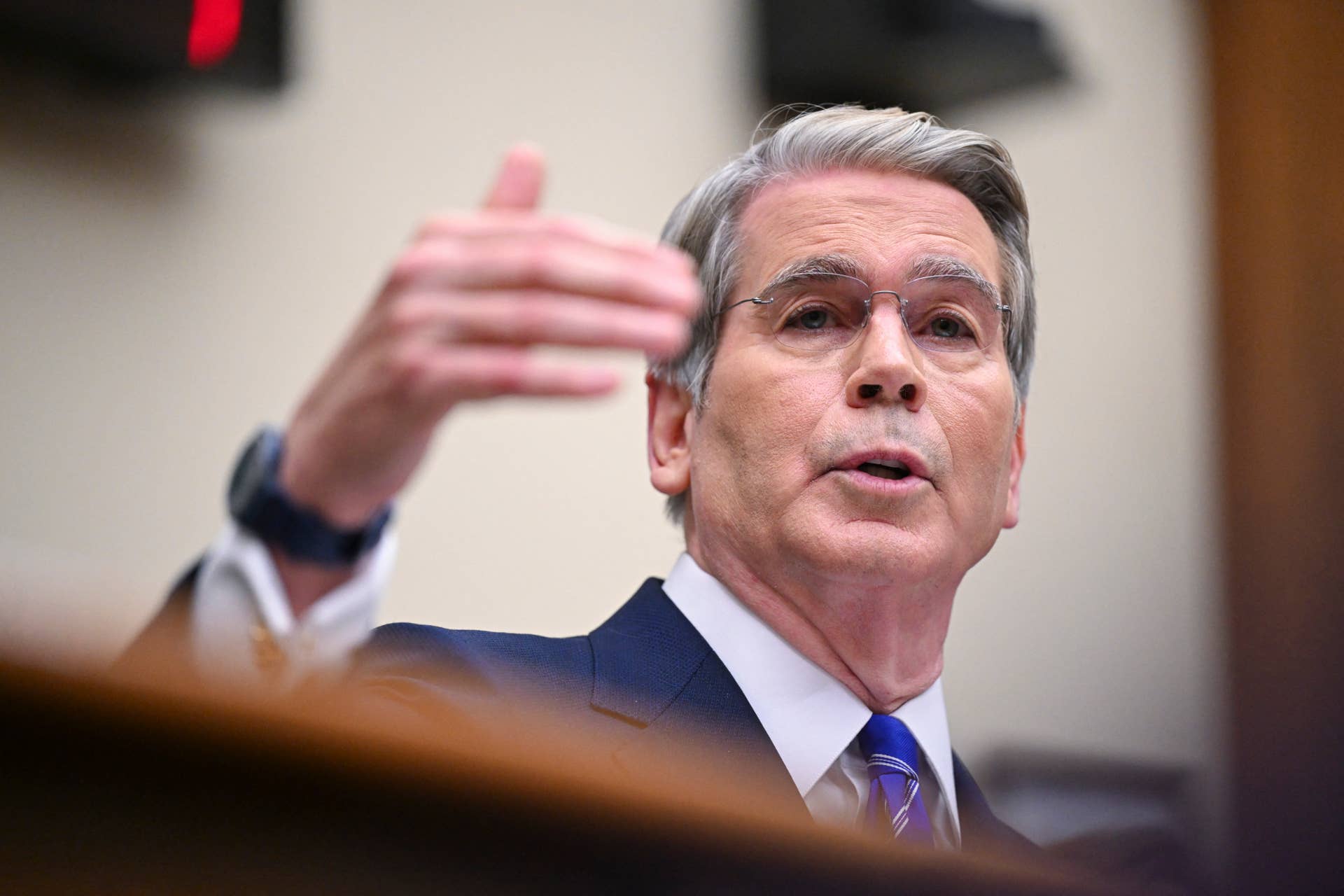 Scott Bessent has essentially admitted he cannot stop the bond market’s slide.
ROBERTO SCHMIDT / Getty Images
Why Jim Cramer trusts bonds over oil
The other half of Cramer’s message is about which market to believe. On the same show, he said bonds, not oil, are telling the truth over the longer term.
He also rejected the idea that cheaper crude means the war risk has faded. Oil is falling, he said, because a major producer cut prices to win market share. It would only trade on its fundamentals, which point much lower, if the war with Iran ends.
That is a shift from his view a few weeks ago. On Sept. 14, Cramer summed up his bull case on X as oil going down, rates going lower and the market going higher.
The bond market broke that chain the next day. The 10-year yield closed at 5%, its highest close since 2007. The Fed raised rates the day after that.
Bessent reads the same link the other way. He has said long-term yields are closely tied to crude prices and refining spreads, and that rates should come down once the conflict passes and oil supply improves. Cramer is not willing to wait for that.
What Cramer thinks is really selling bonds
Cramer sees several forces behind the selloff. He pointed to heavy government borrowing, demand for financing to build data centers, and hedge funds betting against bonds. He said bond sellers have been anything but stupid so far.
The bond market has also brushed off good news. Cramer noted that the relief a jobs report brought to yields lasted less than a day.
On Oct. 5, the 10-year yield topped 5.34% even as stocks rallied, according to CNBC. The Federal Reserve is not offering much cover either. On Sept. 16, it raised its benchmark rate by a quarter point, its first increase since 2023.
More Jim Cramer:
- Jim Cramer spots something investors may be missing on Wall Street
- Jim Cramer says he’s willing to stick his neck out for this stock
- Jim Cramer spills the beans to AI stock investors
Citing inflation above its target and higher energy prices, most officials expect another hike this year. Big banks share Cramer’s doubts about the buybacks. Goldman Sachs strategists said the program is unlikely to meaningfully reset rate levels even if it grows.
Wells Fargo said real relief would need slower growth and inflation or tighter government finances. JPMorgan warned that moving away from regular, predictable issuance could make investors demand a higher risk premium.
What Cramer’s warning means for investors
For stock investors, Cramer’s concern is how narrow the rally has become. He said Nvidia, Microsoft and Meta are propping up the market while rising yields weigh on most other stocks.
He described “tremendous distortion caused by some very big winners,” according to CNBC. If higher yields eventually reach those three, he argued, the market’s record highs could prove less durable.
He also warned against reading those gains as a sign that all is well. The AI-led rally, he argued, is masking stress in the Treasury market. The bond market, he said, is the better guide to where Wall Street goes next while rates stay under pressure.
Households are feeling it too. The average 30-year mortgage rate passed 7% in late September for the first time since January 2025.
Mortgage rates tend to follow the 10-year yield. Higher borrowing costs could keep would-be buyers on the sidelines. If Cramer is right, the daily close on that yield matters more than any promise from Washington.
Related: Scott Bessent sends clear signal to bond market investors
