
The U.S. stock market started off this week looking like it had finally found its footing. After several weeks of tension, headlines flipped. Stocks surged. Oil prices cooled. And investors, for a moment, breathed again. Was this the turning point everyone had been waiting for?
Not so fast. Jim Cramer, best known as one of Wall Street’s most recognizable voices (and co-founder of TheStreet), suggests the rally doesn’t tell the full story. And when Cramer talks, an investor in the game and one who knows the name would want to listen.
The longtime host of CNBC’s Mad Money has seen cycles like this before. Before his television fame, he ran the hedge fund Cramer Berkowitz, delivering an average annual return of 24% over 14 years. In other words, he knows what real conviction looks like and what panic buying feels like.
This time, he says, the market’s message may be misleading.
After a sharp sell-off tied to rising tensions in the Middle East, stocks snapped back on optimism that the conflict could ease. But according to Cramer, that rebound may not be built on confidence but instead on the fear of missing out, or FOMO.
On March 24th, Cramer posted on X:
Here’s why stocks rallied, and why Cramer is sounding the alarm on what may happen to stocks next.
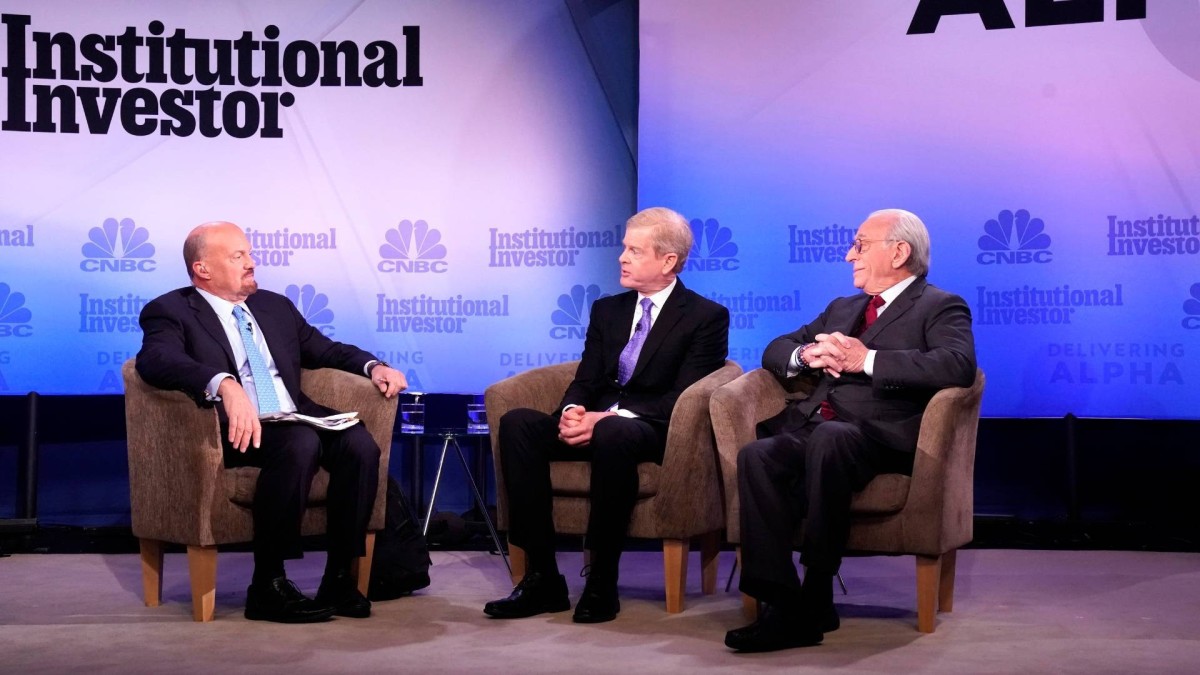
Photo Bank/NBCUniversal via Getty Images
Cramer says stock market rally driven by fear
Starting the week in March. 23, the rally looked solid on paper. The S&P 500 jumped more than 1%, while the Nasdaq Composite climbed around 1.3% as investors reacted to comments from President Donald Trump suggesting progress in U.S.-Iran talks.
Oil prices also cooled sharply, with Brent crude dropping nearly 11%, easing inflation fears and supporting equities.
But Cramer isn’t buying the optimism. At least not yet. As per CNBC, Cramer had this to say.
He went on to say that it’s the fear of those who are underinvested and would rather buy some stock because they don’t want the market to take off without them. According to Cramer, the move wasn’t driven by confidence in a lasting resolution, and absent an end to missiles flying, it likely isn’t the end of it.
Instead, it reflected:
- Investors rushing back into stocks to avoid missing a rebound
- Short sellers covering positions to lock in gains
- A market reacting to headlines rather than fundamentals
That raises a key question: Was this a real turning point, or just a temporary bounce?
Geopolitical uncertainty keeps markets on edge
To understand Cramer’s warning, you have to look at what’s driving markets right now. The ongoing Middle East chaos involving Iran, the U.S., and Israel has created extreme volatility across asset classes.
At one moment, markets are pricing in escalation. And the next, they’re betting on peace. That “geopolitical whiplash” has led to dramatic swings in stocks, crude oil, and investor sentiment.
While President Trump said the U.S. and Iran have had “productive conversations,” conflicting reports quickly followed, with Iranian media pushing back on the claim.
More Oil and Gas:
- The world’s biggest gas field matters just as much as oil right now
- Goldman Sachs reveals top oil stocks to buy for 2026
- U.S. economy will show resilience, despite rising oil prices
Meanwhile, tensions around the Strait of Hormuz, a critical artery for global oil supply, remain unresolved.
Cramer believes this uncertainty makes the rally fragile.
He used an election metaphor to describe the situation:
- Bulls may have “won the popular vote.”
- But the outcome is far from settled.
- A “recount” could come quickly if tensions rise again.
In simple terms, the market is reacting faster than the facts are changing.
So, what should you watch for next?
I know you may be asking: Where does the market go from here? Cramer says everything depends on what happens next in the Middle East.
If tensions ease and real progress toward a deal emerges, the rally could gain traction. But if conflict escalates, or optimism proves premature, then stocks could quickly reverse course.
Beyond that, broader forces are at play. Recent S&P Global data released on March 24th show the March flash Purchasing Managers’ Index (PMI) came in at 52.4, above expectations and signaling expansion.
That’s a positive sign for the economy. But remember this, too: It may not be enough to offset geopolitical risks in the short term.
Cramer has also warned in recent months that markets, especially tech stocks, may be more vulnerable than investors realize. His advice? Look beyond hype-driven sectors. According to the Motley Fool, Cramer advised investors to focus on companies using artificial intelligence to improve real-world productivity.
Jim Cramer says Nvidia could still be a smart buy in this market
Even with all the volatility, Jim Cramer says investors shouldn’t sit on the sidelines completely. In fact, he believes opportunities are still hiding in plain sight. Especially in high-quality names that have pulled back for reasons unrelated to fundamentals.
One stock he pointed to? Nvidia (NVDA).
Cramer said on “Mad Money,” recently, as per Yahoo Finance, that the AI leader isn’t directly tied to geopolitical tensions or stagflation fears.
So why has the stock struggled to break higher?
Cramer says it’s more about market structure than business weakness.
- Nvidia is heavily owned by institutional investors.
- That limits near-term upside as positioning gets crowded.
- The stock’s pause isn’t necessarily a sign of slowing growth.
At the same time, Cramer sees value emerging. He called stocks like Nvidia “too cheap to avoid” on a forward price-to-earnings basis, especially given their long-term growth potential in artificial intelligence.
Still, he offered a note of caution. To buy selectively, not aggressively, to stay aware of macro uncertainty, and to focus on quality over momentum trades.
Related: Rosenblatt resets Nvidia stock price target for 2026