
Your high grocery costs, electric bills and gasoline prices are playing second fiddle to a slumping labor market, all of which are indicating the U.S. economy could be sliding into a nasty potential state of stagflation.
But interest rates on home-equity loans, auto financing, credit cards and even student loans could see some relief.
Plus your investment portfolio and retirement accounts could continue their Wall Street rally.
On Sept. 17 a dovish Federal Reserve pivoted from an eight-month wait-and-see approach to monetary policy and issued a historic quarter-percentage-point rate cut. The move was widely expected by many economists and investors, but was equally expected to be larger given the rash of increasingly ugly jobs data reports.
The Fed’s policy-making Federal Open Market Committee had been widely expected to cut the current benchmark Federal Funds Rate of 4.25% to 4.5% for the first time this year.
- The vote comes after months of the Trump administration’s unprecedented attempts to control the world’s largest bank.
- The efforts are causing grave concern at home and abroad among economists and traders about the independence of the U.S. central bank.
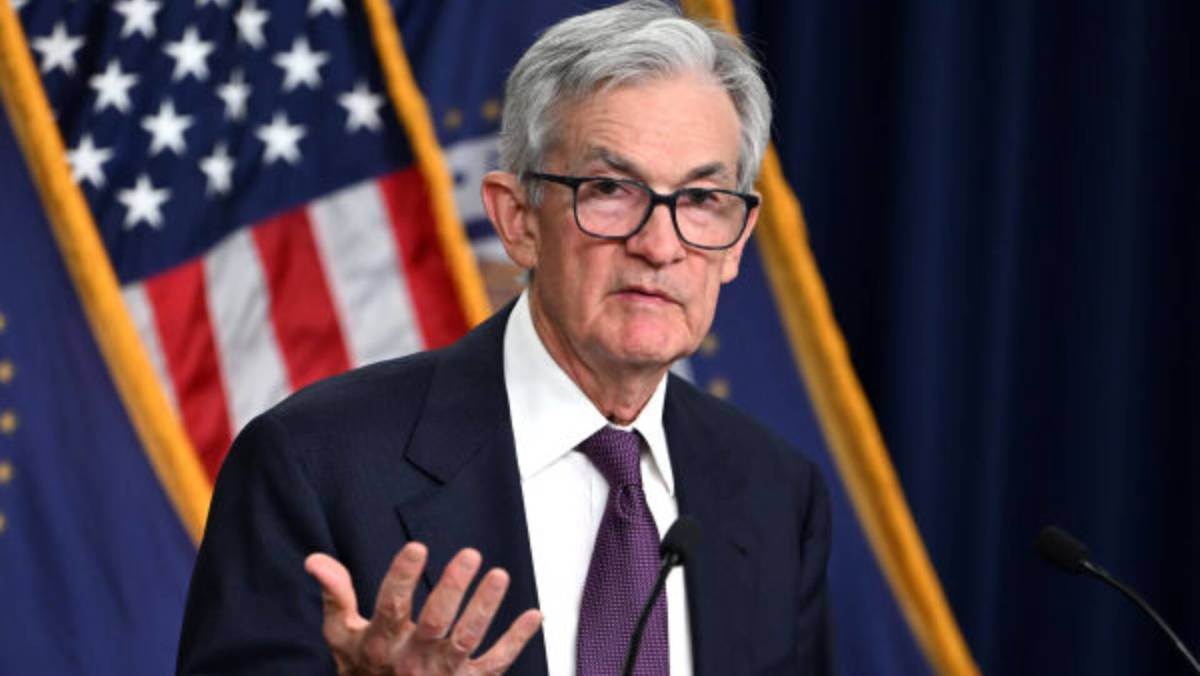 Fed Chairman Jerome Powell. President Donald Trump and his allies have been sharply critical of the Fed and Powell for his failure to reduce interest rates.
Image source: Caballero-Reynolds/AFP via Getty Images
Trump pressure, Fed board turmoil test central bank
President Donald Trump and his allies have been very critical of the Fed, and Chairman Jerome Powell in particular, for failing to cut the benchmark funds rate by at least three percentage points.
More Federal Reserve:
Adding to the economic drama were an unexpected opening on the Board of Governors this summer and a rash of unsubstantiated fraud allegations against a sitting governor.
- Fed Governor Stephen Miran’s controversial nomination was rushed through the GOP-led Senate in a matter of days, leading to his swearing-in Sept. 15. He dissented from the vote, calling for a larger half-percentage point cut.
- Fed Governor Lisa Cook gets to keep her job for now after a federal appeals court ruled President Donald Trump couldn’t fire her over allegations of mortgage fraud.
Fed’s monetary policy balances inflation, jobs
The Federal Reserve’s dual mandate from Congress requires stable prices and low unemployment.
Many traders and economists expected the rate cut to shore up the nation’s crumbling labor market and lower the cost of short-term borrowing.
Related: Fed rate cut could boost your wallet, job, and portfolio
But some experts say the inflation side of the mandate can’t be discounted.
- Lower interest rates lead to less unemployment but higher prices.
- Higher interest rates lead to lower inflation but higher unemployment.
The Fed has held off to monitor the path of tariff-driven inflation through the nation’s supply chain and to determine whether those price increases would be a one-time bump or linger into consumers’ wallets.
At the next FOMC meeting in October, CME Group’s widely watched FedWatch Tool estimates a 74.8% chance of another 0.25-percentage-point rate cut and a 3.1% chance of a half-point cut.
Miran’s first vote on the Fed Board of Governors is a dissent
Miran’s temporary placement on the board ends Jan. 31 but he is allowed to stay until Trump names him or another candidate to the seat.
He drew outrage during his Senate confirmation hearing when he said he would take a leave from the Council of Economic Advisors rather than resign. Democrats and other economists and market watchers said the action would tighten the president’s control of the board.
On Sept. 16 Senate Democrats introduced a bill aimed at drawing a firmer line between the White House and the Fed.
The bill would reinforce the Federal Reserve’s independence by limiting the White House’s ability to influence or install board members.
Lawmakers said the measure was designed to prevent political pressure from shaping monetary policy after Miran refused to quit his White House role.
Cook keeps her job despite legal proceedings
A federal appeals court late on Sept. 15 rejected an emergency request by the Trump administration to fire Cook, a labor economist, ahead of this week’s meeting.
The Justice Department is investigating; the White House said it would appeal. Meantime, Cook remains on the board as legal challenges continue.
US Treasury Secretary Scott Bessent once agreed to occupy two different houses as his “principal residence” at the same time, mortgage documents show, the same kind of contradictory pledges that Trump has been using to try to oust Lisa Cook, Bloomberg reported Sept. 17.