
Kroger, a prominent grocery chain with over 2,700 stores in the U.S., is following the lead of its top rivals by reducing a crucial part of its business amid recent headwinds, impacting several locations.
In 2017, Kroger took a bold step into the health care industry by launching Kroger Health, which offers shoppers access to a wide range of in-store and online health and wellness services, such as prescription filling, dietitian consultations and vaccinations.
Kroger’s health division recently saw a spike in consumer demand. During the third quarter of 2025, the grocery chain’s identical sales (excluding fuel) increased by 2.6% year over year, according to its most recent earnings report. Kroger noted that strong sales in its pharmacy division during the quarter were a key driver of identical sales growth.
“Our pharmacy business delivered another strong quarter fueled by growth in both core pharmacy scripts and GLP-1s,” said Kroger interim CEO Ron Sargent, during an earnings call in December. “While the strong growth in pharmacy sales impacts our margin rate, it contributes positive gross profit dollar growth and supports our overall operating profit.”
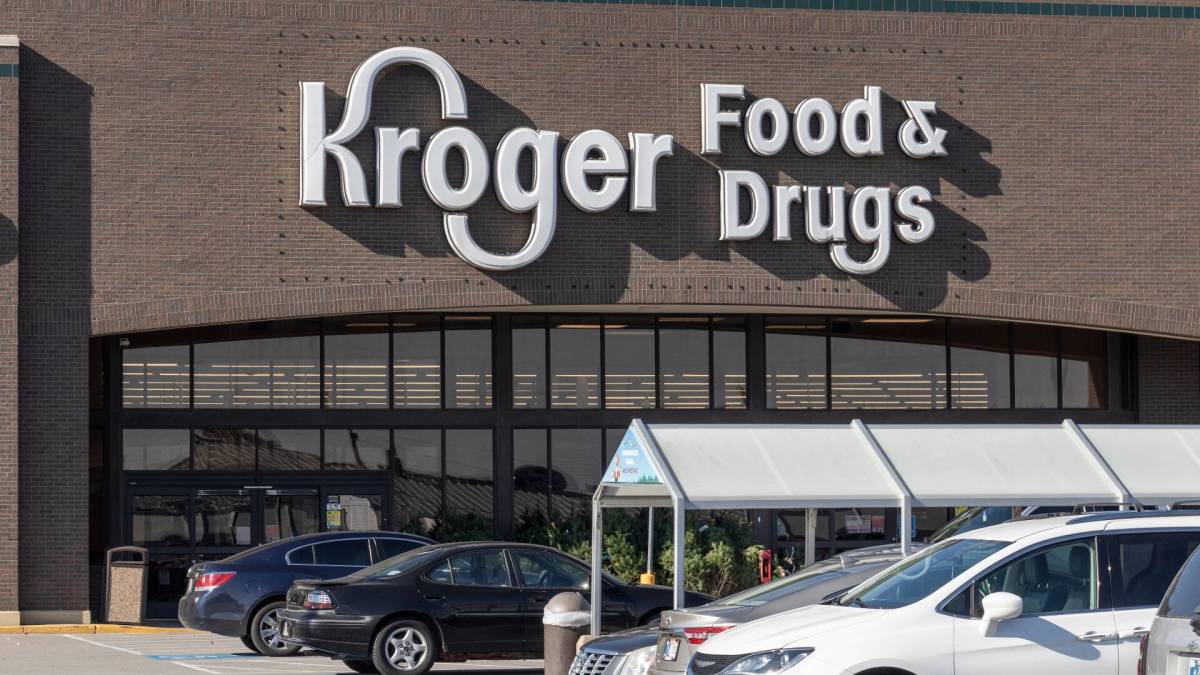 Kroger is scaling back a key in-store service across select locations.
Jonathan Weiss/Shutterstock
Kroger cuts back a major service for shoppers
Despite increased demand for health services, Kroger has decided to scale back operations of its walk-in medical clinic, The Little Clinic, which is located inside its Kroger, Jay C, King Soopers, Fry’s and Dillons stores.
In Georgia, Kroger is shuttering all 18 Little Clinic locations, a move that will take effect on April 4. Currently, Kroger has over 220 Little Clinic locations in its stores across multiple states. The company didn’t provide a reason for closing these locations in Georgia.
“We have enjoyed serving the Georgia community for the last several years through our clinics,” said a Kroger spokesperson in a statement to Retail Dive. “We invite our valued patients to continue using the pharmacies conveniently located in Kroger stores.”
The move from Kroger comes amid a time when its CEO is making bold cost-cutting decisions, including layoffs and store and automated fulfillment center closures, to keep grocery prices low.
Related: Kroger CEO has a harsh solution to rising prices in stores
This is not the first major cut Kroger made to its health business. In 2024, it sold its Kroger Specialty Pharmacy business, which provided pharmacy services to individuals with complex and chronic illnesses, to Evelance Health’s CarelonRx for $464 million.
The closings of Kroger’s Little Clinic locations in Georgia follow in the footsteps of a few of its top competitors.
For example, in 2024, Walmart shut down all 51 of its in-store health clinics and its virtual care services, citing higher costs and a “challenging reimbursement environment.”
“This is a difficult decision, and like others, the challenging reimbursement environment and escalating operating costs create a lack of profitability that make the care business unsustainable for us at this time,” said Walmart in a press release in 2024.
That same year, Walgreens also decided to accelerate closures of its in-store VillageMD clinics after it lost nearly $6 billion from the venture during the second quarter of that year. CVS has also been aggressively shuttering dozens of its in-store MinuteClinics at multiple locations across several states.
Why retailers are closing their health clinics
When this trend first took off, Timothy Hoff, professor of management health care systems at Northeastern University, said in an interview with Northeastern Global News in 2024 that retailers are facing challenges in their health clinic businesses because they expanded “too quickly.”
“It’s the classic story of expanding too quickly and realizing the business model doesn’t necessarily work for that kind of growth,” said Hoff. “Primary care is a very low-margin business. The reimbursements are low. You’re not going to make a lot on each transaction.”
He said many retailers underestimated the impact inflation had on medical costs, which also contributed to closures.
More Retail:
- Lowe’s rolls out free offers for customers amid challenges
- Lululemon struggles to reverse concerning customer behavior
- Kroger adds generous offer for customers as grocery prices rise
“Expanding too quickly, without understanding your cost structure, is problematic,” he said. “A lot of companies expanded without realizing how much inflation over the last four to five years really affected the price of medical supplies and a lot of the fixed overhead.”
Additionally, Hoff flagged that those retailers faced rising costs to rent or purchase space for their health clinics and were battling worker shortages.
“Workforce shortages meant they couldn’t staff these places adequately or had to pay staff more,” he said.
The recent closures of retail health clinics also come after a 2024 survey from the Primary Care Collaborative found that a low percentage of Americans prefer retail clinics for health care.
Where Americans prefer to go for health care services:
- Approximately 73% of Americans prefer to seek health care services from Primary care practices.
- Also, 12% turn to urgent care or walk-in clinics for these services.
- About 5% of Americans prefer retail clinics.
- Only 4% prefer to go to emergency departments. Source: Primary Care Collaborative
In an interview with MedCity News in 2024, Neal Batra, principal and health care leader at Deloitte Consulting, said that retailers need to change their approach to providing health care services to their customers by focusing on gaining trust.
“The future of retail health is truly poised for transformation, but it won’t be fully realized unless there is a strategic shift in design and approach that is centered around engaging consumers before they are sick,” said Batra. “When you consider what hasn’t worked with retail health, I believe it’s because they’re chasing after the same dollar, or consumer, that is already engaged with incumbent health care providers for traditional sick care.”
Related: Kroger adds generous offer for customers as grocery prices rise