
Luxury shoppers were supposed to keep spending.
Even as interest rates climbed and inflation remained sticky, analysts believed the ultra-wealthy would keep splurging on watches, jewelry, and high-end fashion.
This group has long been considered immune to economic pressure — the kind of customer who doesn’t think twice about a five-figure purchase or waiting six months for a custom timepiece.
Related: Why everyone’s obsessed with this ‘boring’ skin care brand
But a new report from one of the most powerful names in global luxury hints at a potential shift.
This company’s portfolio includes Cartier, Van Cleef & Arpels, and Chloé — brands that dominate red carpets, influencer feeds, and global retail hot spots.
So when it posts an update that doesn’t quite live up to expectations, it’s worth paying attention.
Because in today’s global economy, even subtle changes at the top can ripple fast.
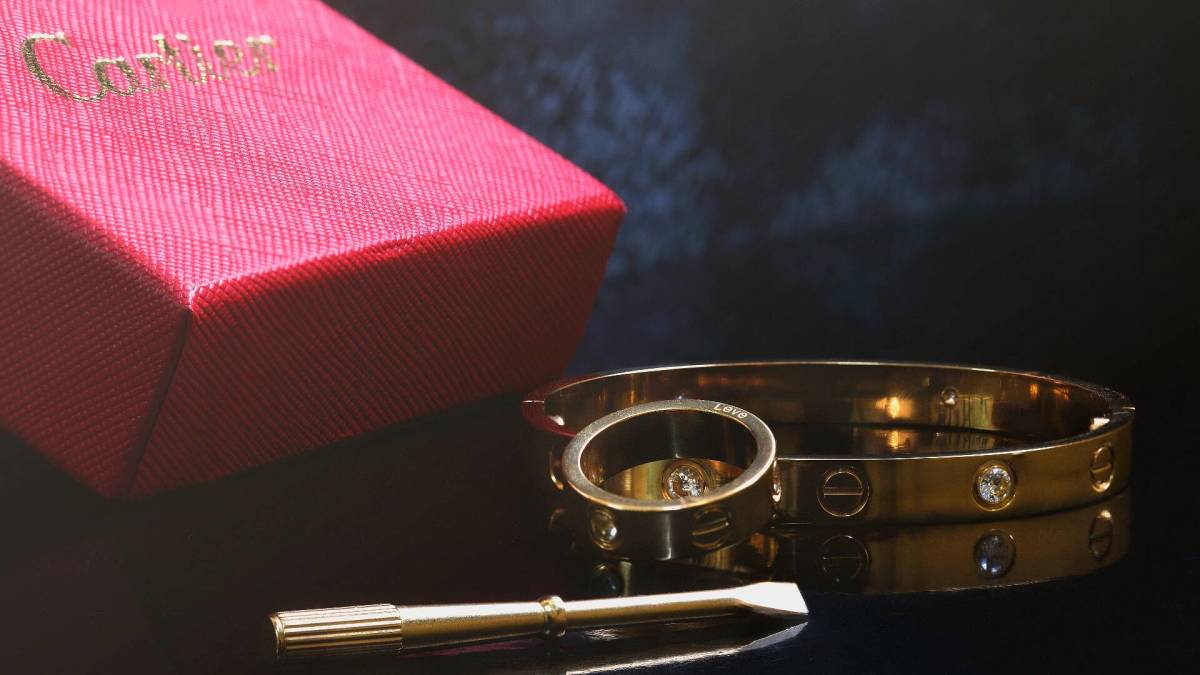 Recent Richemont earnings results show luxury shoppers are not immune to economic pressure.
Image source: Shutterstock
Richemont’s earnings reveal declines across key areas
Richemont’s Q1 FY26 results show that Group sales grew just 3% at actual exchange rates — far from impressive for a global luxury leader.
Some segments even shrank.
Asia Pacific, one of Richemont’s most important markets, declined 4%, while Japan fell 13%. Combined, that’s a meaningful hit to the company’s historical growth engine.
Sales at Richemont’s Specialist Watchmakers division, home to brands like IWC, Jaeger-LeCoultre, and Vacheron Constantin, fell 10%.
Related: Lululemon adds new stores in surprising places
Meanwhile, its “Other” segment, which includes Chloé and Montblanc, slipped 4%.
Even though Jewellery Maisons (Cartier, Van Cleef, Buccellati) grew 7%, and the Americas were up 10%, the overall results paint a sobering picture.
Luxury isn’t immune anymore.
Richemont’s slowdown hints at a shifting luxury market
For years, Richemont benefited from a dependable formula: China drives demand, Europe and the U.S. stay steady, and wealthy customers keep spending.
But this quarter challenges that model.
When global sales rise only 3% and multiple key business areas shrink, even with price increases and strong branding, it suggests something deeper is shifting.
More in Retail:
- Why the latest Messi Stanley collab is smarter than it looks
- Nike eliminating some classic sneaker models
- Lululemon’s pricing change sends an ominous sign
If this is the new baseline for Richemont, the industry may be facing a broader slowdown.
Luxury brands have long marketed themselves as recession-resistant, inflation-proof, and endlessly aspirational. But these results suggest that consumer psychology may be changing — even at the top.
As economic headwinds persist and demand in Asia continues to soften, Richemont’s reliance on a few core regions and categories could become a liability.
This wasn’t a disastrous quarter. But it may be the first clear sign that global luxury’s long upward climb is starting to level off.
Related: Luxury outdoor brand suddenly closes popular location