
One of the world’s most recognizable luxury fashion brands is at the center of a yearslong criminal trial after two former warehouse employees were accused of stealing hundreds of high-end products that had been designated for destruction.
Beyond the alleged theft, testimony in the case has pulled back the curtain on a little-known practice in the luxury industry: destroying unsold merchandise to preserve exclusivity rather than allowing it to be sold at discounted prices.
Luxury brands have long relied on scarcity and limited availability to justify premium pricing and protect their image. When products fail to sell or are replaced by newer collections, some companies remove them from circulation entirely to prevent them from reaching discount retailers or grey markets, where lower prices could weaken the brand’s perceived value.
The revelations come as luxury retailers continue to face growing scrutiny from consumers and environmental advocates over sustainability, waste, and the disposal of unsold merchandise.
Chanel employees accused of stealing hundreds of luxury items
Two former employees at Chanel’s Goodman Interlink warehouse in Tsing Yi, Hong Kong, are standing trial for allegedly stealing more than 700 luxury products that were scheduled to be destroyed.
According to court proceedings, the items included more than 600 handbags, 123 wallets, jewelry, and a pair of shoes.
The defendants are a former warehouse supervisor responsible for the import division and a former warehouse employee who left the company in 2011.
Prosecutors allege the pair worked with two other warehouse employees to remove the products from Chanel’s destruction process. They were arrested in January 2017 after management and police intercepted them while they were allegedly loading the luxury goods into a delivery van.
The investigation began after Chanel managers noticed warehouse employees were regularly working overtime, raising concerns that products earmarked for destruction were being diverted for resale.
After reviewing CCTV footage, management allegedly observed employees placing luxury goods scheduled for shredding into cardboard boxes and hiding them in a secluded area of the warehouse’s 23rd floor.
To prevent the boxes from being moved, managers temporarily reassigned the employees to the fifth floor while continuing to monitor the area. Days later, one of the workers was allegedly seen returning to seal the boxes before authorities intervened.
Trial reveals Chanel destroys thousands of products
Court testimony also revealed details about Chanel’s inventory disposal process.
According to evidence presented during the trial, Chanel destroys between 10,000 and 20,000 outdated luxury products every six months as part of a global inventory management strategy.
Before products are destroyed, warehouse managers verify inventory, inspectors confirm the merchandise, and the items are transported from the warehouse’s 23rd floor to a fifth-floor shredding facility.
Access to the freight elevator connecting the two floors required a security passcode and key that prosecutors said were controlled by the former warehouse supervisor on trial.
Chanel remains one of the world’s most expensive luxury brands. Its iconic Classic Flap Bag typically retails for around $5,500, while larger and limited-edition versions can cost more than $12,000.
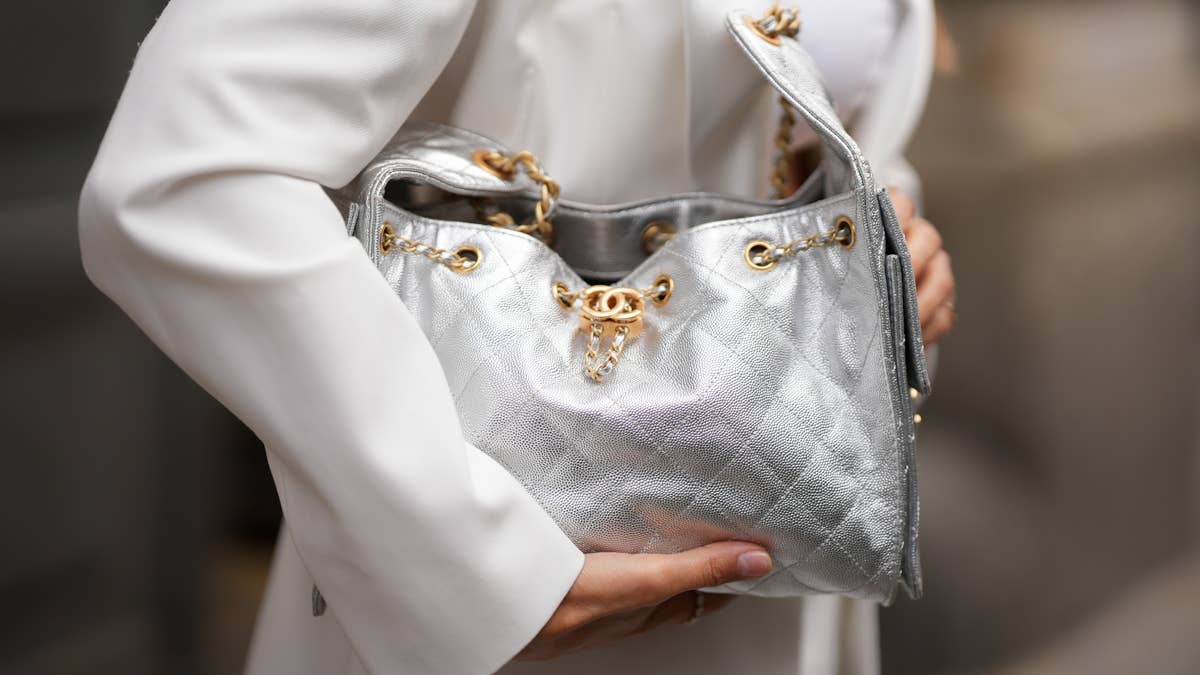 Chanel’s theft trial reveals a controversial practice in the luxury industry.
Moritz Scholz/Getty Images
Why luxury brands destroy unsold merchandise
Destroying unsold inventory has long been used by luxury fashion houses to prevent excess merchandise from entering secondary markets, where discounted prices can dilute brand value.
Luxury companies argue that tightly controlling inventory preserves brand equity, protects intellectual property, and reduces the risk of counterfeit products entering the market. Critics, however, say destroying usable merchandise creates unnecessary waste and undermines sustainability commitments that many fashion brands have publicly embraced.
Here’s some of my previous coverage on luxury business:
- 132-year-old luxury chain quietly closes more stores worldwide
- Luxury retailer exits beauty business and ends major partnership
- Another retail chain closing all stores after 33 years in business
The practice has faced increasing scrutiny in recent years as consumers and environmental groups question the waste generated by the destruction of perfectly usable products.
Burberry faced widespread criticism in 2018 after disclosing that it had destroyed approximately $38 million worth of unsold clothing, accessories, and cosmetics. Following the backlash, the company ended the practice and pledged to reuse, repair, donate, or recycle products instead.
Coach encountered similar criticism in 2021 after a TikTok video appeared to show employees slashing handbags before disposal. The company later announced it would stop destroying damaged or unsellable returned products and launched its (Re)Loved repair service and resale program, CNN reported.
While the issue is often associated with luxury fashion, inventory destruction has also occurred among mainstream retailers, including H&M, Zara, Urban Outfitters, and Nike. Many of those companies have since introduced resale, rental, repair, and recycling initiatives as part of broader sustainability efforts.
“An argument for the practice is that burning or destroying clothes prevents against counterfeiting, compromising the brand’s intellectual property. If the cheaply priced goods get in the wrong hands, it can be easily replicated,” said StyleDemocracy Senior Marketing Manager and Social Director Alexandra Krystal.
“But [the] problem is, of course, that burning clothes contributes to [a] negative impact on the environment at a time when fast fashion is already dumping clothes in landfills at a disturbing rate.”
The testimony offers an unusually detailed look at how luxury brands manage excess inventory, a process that is rarely discussed publicly, despite ongoing debate over waste and sustainability in the fashion industry.
While the trial centers on allegations of employee theft, it has also highlighted a long-standing inventory practice that remains one of the fashion industry’s most controversial.
As luxury brands face mounting pressure to balance exclusivity with sustainability, companies’ protocols for unsold merchandise are likely to remain under public and regulatory scrutiny.
Related: 79-year-old fast-fashion retailer closes 128 stores