
An MRI can cost thousands of dollars at one facility and a few hundred at another. Same type of scan, same medical purpose, wildly different price tags. Somewhere between the hospital billing department and the insurance company, the numbers stop making much sense.
Cost Plus Drugs co-founder Mark Cuban wants to know why. In a Jan. 10 post on X, the billionaire entrepreneur challenged the logic behind a reported $2,500 insurance payment for an MRI when a nearby imaging center offered the scan for $350.
“Explain to me why the insurance company will pay $2,500 for an MRI when there is a center down the street that will do it for $350?” Cuban wrote.
The question taps into a long-running frustration with American healthcare, where patients can struggle to find out what a procedure costs before showing up for an appointment.
Cuban has spent years criticizing opaque pricing and the middlemen he believes drive up healthcare costs, including pharmacy benefit managers. His online pharmacy, Cost Plus Drugs, was built around making medication prices easier to see.
Read more: Mark Cuban says let’s take healthcare back to 1955 — see a doctor, get a bill, pay what you can
Two MRIs, two very different prices
The gap between hospital pricing and lower-cost alternatives has shown up in medical research, too.
A study published in JAMA Network Open on March 21, 2023, examined negotiated commercial prices for brain MRIs at 2,630 U.S. hospitals. Among hospitals reporting the relevant pricing data, the median negotiated price was $1,900, while the average was $2,268.
The study focused on brain MRIs performed before and after contrast, so its figures don’t represent every type of scan.
But the findings show how much hospitals can charge insurers for a single imaging procedure. Independent imaging centers may advertise substantially lower cash prices, creating a sharp contrast with hospital-based care.
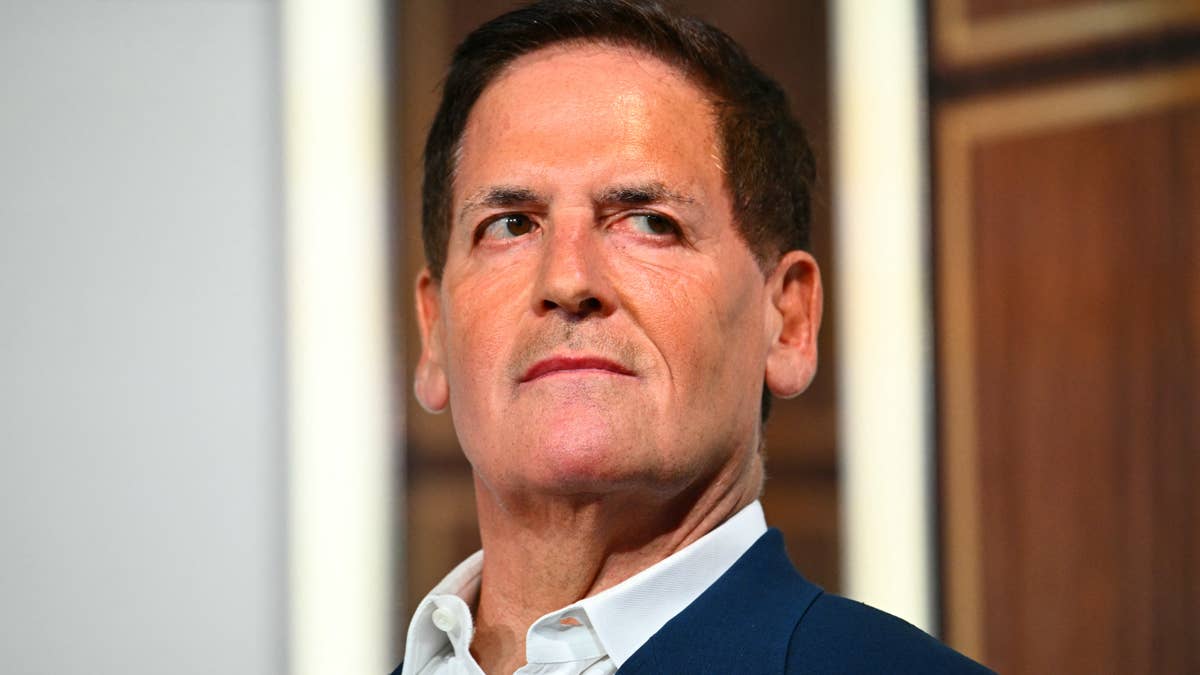 Mark Cuban calls out healthcare and wants more billing transparency.
The hospital bill has extra baggage
Where the scan takes place can make a difference. Hospitals may charge facility fees to cover their buildings, equipment, and staff, while independent imaging centers can operate with lower overhead, CanAmerica Plus noted. Prices also depend on the scan itself, whether contrast dye is required, and whether the radiologist’s interpretation is billed separately.
Cash pricing adds another layer of comparison, GoodRx reported. An imaging center may offer a discounted rate to patients who pay directly rather than submit a claim through insurance. That doesn’t automatically mean the cash price covers exactly the same services as the insurance payment, however.
Still, a $350 offer next to a $2,500 payment raises an obvious question. If the scans are comparable, why isn’t the lower-cost option getting more attention?
More Healthcare/Health:
- Health insurance is about to cost you a lot more in 2027
- Medicare shoppers face a hidden AI problem this open enrollment
- Pepsi, Nestle could save 150,000 lives a year with one simple change
Insurers have some leverage, too
Insurers don’t simply have to accept every price a provider initially lists. They negotiate rates with hospitals and other healthcare providers, and those agreements can vary widely by location, network and contract, according to the 2025 report Technical Challenges with Private Health Insurance Price Transparency Data.
Insurers can also encourage patients to use lower-cost facilities when appropriate. But steering patients toward cheaper providers isn’t always straightforward. Network restrictions, medical needs, and negotiated contracts can all affect the options available, The Commonwealth Fund confirmed.
Patients can end up paying more than expected even when they have insurance, particularly when deductibles are high, a study in the journal Neurology indicated. Meanwhile, someone paying cash at an independent center may find a lower price by shopping around, provided the quoted amount includes the scan, interpretation, and any additional fees.
That leaves patients comparing prices that aren’t always easy to compare, while insurers and providers operate under different contracts.
The $350 scan may not be identical in every billing detail to the $2,500 one. But when a routine medical procedure carries such a wide price gap, patients deserve a clear explanation of what they’re paying for — before the bill arrives.
Related: Mark Cuban says one skill is key to making $1 million ‘every single time’
