
Draft night in the NBA is one of those moments that looks perfect from the outside. The suit, the handshake, the jersey, the number that flashes on the screen. For a lot of these kids, it’s the moment their entire life has been building toward. Then the first paycheck arrives and some of them do something that surprises even the people around them.
Mark Cuban watched this play out enough times during his years owning the Dallas Mavericks that he has a specific story he tells about it now. It involves a rookie, a $5 million house, and a conversation that needed to happen before the player made a very expensive mistake.
What Mark Cuban told NBA rookies about money and why it matters now
“I can’t tell you how many stories I had about players who came to the Mavs who didn’t know what a checking account was,” Cuban said on the podcast. “Didn’t understand how credit cards worked. Had no concept of money.”
He remembers telling one of them: “No, don’t spend that money. You’re making $850,000. You can’t buy your mom a $5 million house.”
That’s the story. It sounds almost comical until you think about it from the player’s perspective. They’ve spent their entire life hearing that they were going to make it, and now they have. The number on the contract feels like proof. The idea that $850,000 isn’t enough to buy a $5 million house doesn’t register the way it should when you’ve never had any real money before.
More Personal finance:
- Dave Ramsey says one daily habit costs you $5,000 a year
- Estate plans for unmarried couples: Protect your partner, your wishes
- Estate planning for solo agers: How to protect yourself
Because $850,000 isn’t $850,000. Not really. Federal taxes, state taxes, agent fees, and that’s before you’ve paid for housing or sent anything home to family. A lot of first-year players find out pretty quickly that the number on the contract and the number that actually hits the bank are two very different things.
Why NIL deals may be changing how NBA rookies handle money
Cuban actually thinks the problem is getting better, and he credits an unlikely source. Since the NCAA introduced NIL opportunities in 2021, college athletes have been able to earn real income through endorsements, sponsorships, and brand deals before they ever reach the pros. The earnings vary wildly depending on the sport, the school, and the athlete’s profile, but the key is that players are getting real experience managing real money earlier than any previous generation, according to Basketball Network.
“One of the beautiful things about NIL for professional sports is guys know how to manage their money by the time they get out of college,” Cuban said. They’ve already dealt with contracts. They’ve seen what taxes do to a paycheck. They’ve had to make decisions about how to spend money that feels like a lot but isn’t unlimited. That education doesn’t come from a classroom. It comes from actually having money and making mistakes with smaller amounts before the stakes get much higher.
He also pointed out that more basketball players are choosing to stay in college longer before declaring for the NBA Draft. Football players typically spend four years in college. More basketball players are starting to do the same. More time in school plus NIL income means more financial experience before the first professional contract arrives.
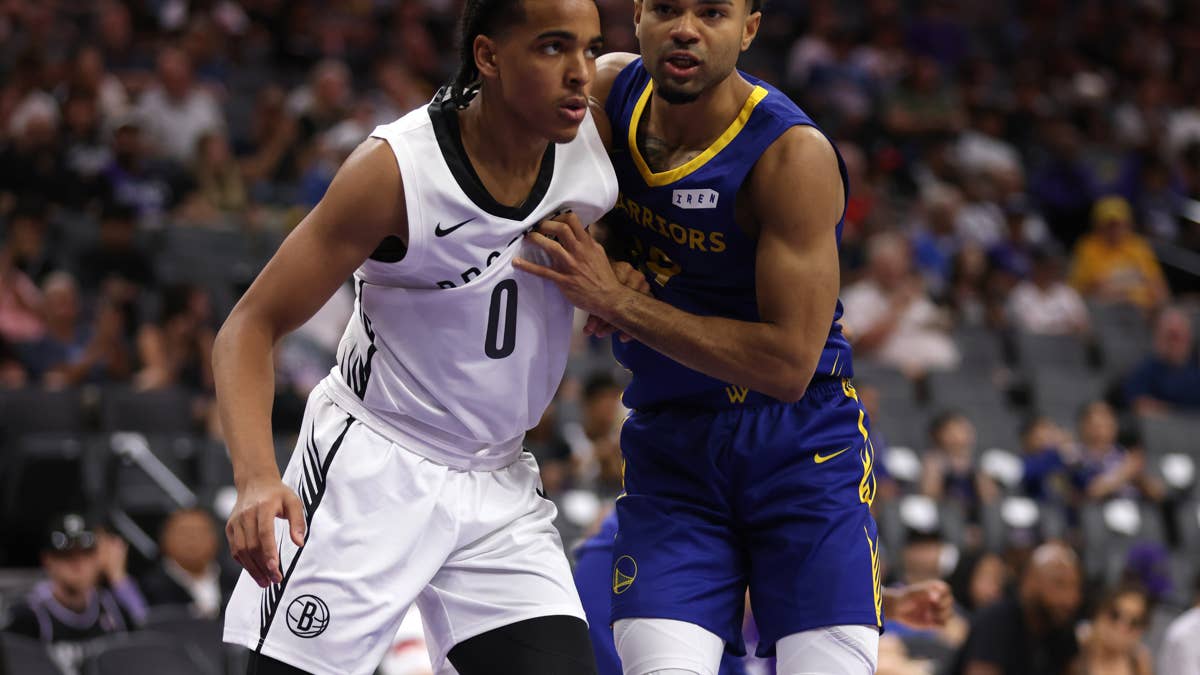 Cuban’s version of financial advice has always been pretty direct
Scott/Getty Images
The NBA’s own financial literacy programs for incoming rookies
Cuban isn’t the only one who noticed this problem. The NBA and the National Basketball Players Association have both invested heavily in financial literacy programs for incoming rookies. The league runs orientation sessions before the season starts that cover budgeting, taxes, investing, and the specific financial risks that come with a professional sports career.
Those programs exist because the stories got bad enough that someone had to do something. Players who earned more in one season than most people make in a lifetime and ended up with nothing. Luxury cars, bad investments, too many people on the payroll who shouldn’t have been there. The league looked at enough of those situations and decided waiting for players to figure it out wasn’t working.
Cuban’s point is that NIL has done something those orientation programs couldn’t fully replicate. It gave players actual experience managing real money under real pressure before the professional stakes arrived. A college athlete navigating a sponsorship deal and learning what happens to that income at tax time is in a better position than one who has never seen a paycheck before draft night.
What Mark Cuban’s NBA money lesson means for anyone with sudden income
This isn’t really a basketball story. Cuban is describing something that happens to a lot of people in a lot of different situations. A big bonus. A business that sells. An inheritance. A job that suddenly pays twice what the last one did. The circumstances change but the mistake is usually the same one.
The emotional pull is the same. The number feels different from anything before it. The instinct is to act like the number, not like someone who has thought carefully about what it means and what it doesn’t. For a rookie it’s a $5 million house for mom. For someone else it’s a car, a vacation, a renovation, or a commitment that made sense in the moment and became a problem six months later.
Cuban’s version of financial advice has always been pretty direct. Know what you actually take home after taxes. Don’t confuse gross income with spendable income. Build a cushion before you start giving money away, even to the people you most want to help. The $850,000 and the $5 million house is a simple story, but the math behind it is the same math anyone dealing with a new level of income has to work through before they spend a dollar of it.
Related: Mark Cuban has strong words on minimum wage and employers