
Micron (MU) apparently has little interest in softening the blow for consumers after its shocking decision to close down Crucial. One of its executives warned that DRAM shortages could stretch through 2028, as the business continues to aggressively pursue AI and enterprise customers.
I guess you’d never really feel the pain until it hits home. Last week, I decided to upgrade my PlayStation 5 storage ahead of big releases this year, such as Grand Theft Auto 6.
I planned to finally pick up a 1TB PCIe 4.0 NVMe M.2 SSD with a heatsink, after putting off the purchase since mid-last year.
To my surprise, it felt substantially pricier than when I last saw it listed on Amazon, compelling me to run a quick check.
When I checked the price, it was sitting at a record high of around $142, nearly 50% higher than the last time I looked.
That’s an insane jump, and after having covered Micron multiple times over the past few weeks, I understand what’s actually happening now.
Naturally, the acute demand/supply imbalance in memory has effectively supercharged Micron stock.
To put things in perspective, Micron stock is up an eye-popping 167% in the past six months, while the S&P delivered a 10% gain. It ended last year with a jaw-dropping 250% gain.
For more color, here’s a sharp take from TheStreet tech expert Vuk Zdinjak.
Though Micron executive Christopher Moore pushed back on that notion in a WCCFTech interview, I concur with Zdinjak that the writing’s pretty much on the wall.
Micron and peers are betting big on AI’s long-term growth, and consumers will have to contend with higher prices and tighter supply for the foreseeable future.
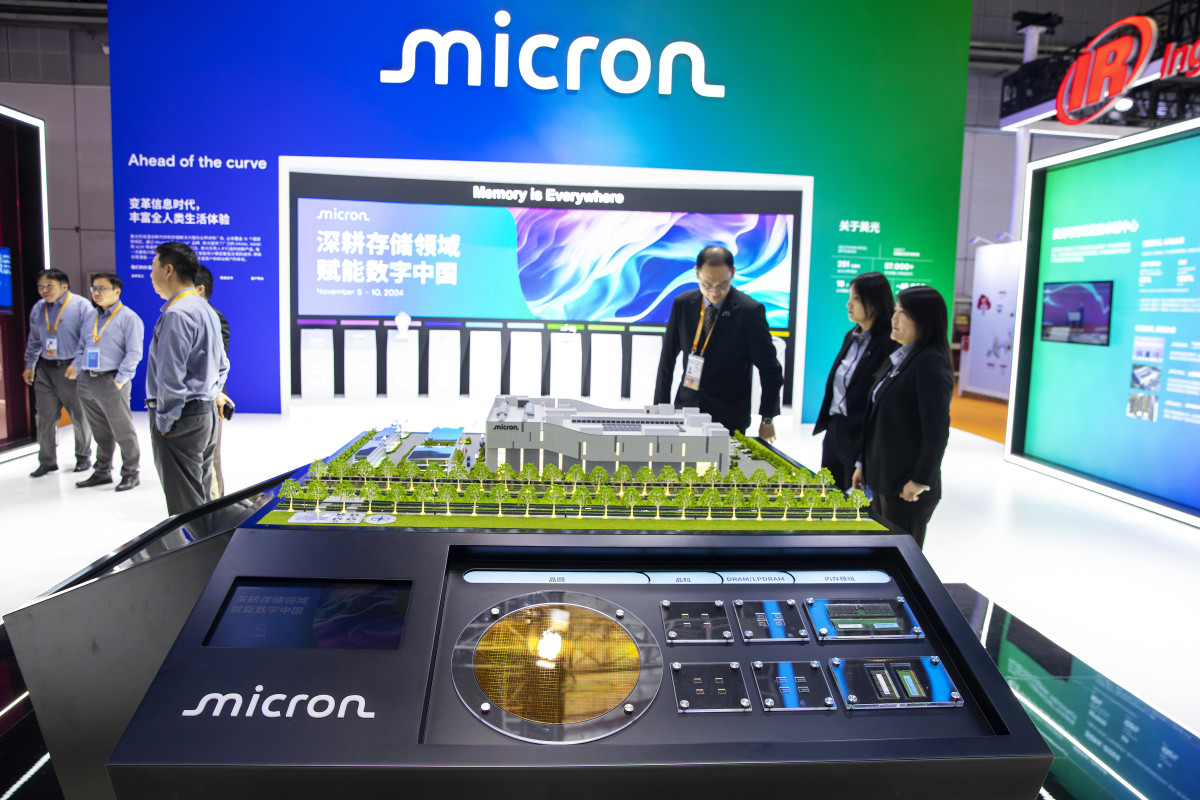 Micron is defending its Crucial wind-down while warning that meaningful new DRAM supply won’t arrive until 2028.
Micron’s “Crucial” move hits DIY builders hard
Micron’s decision to exit its consumer memory business through Crucial came in early December, as it started to wind down Crucial-branded SSDs and memory modules through retail channels.
The company said shipments would continue until fiscal Q2 (February 2026), while it maintained warranty service and support following the wind-down.
Needless to say, consumers like me weren’t happy.
More Tech Stocks:
- Morgan Stanley sets jaw-dropping Micron price target after event
- Nvidia’s China chip problem isn’t what most investors think
- Quantum Computing makes $110 million move nobody saw coming
- Morgan Stanley drops eye-popping Broadcom price target
- Apple analyst sets bold stock target for 2026
On Reddit, the r/pcmasterrace forum, attracting 5.1 million users, two commenters perfectly summed up the backlash:
- Handsome_ketchup wrote: “Thanks for being our customers, now get wrecked”
- DivinePotatoe added: “Have the retail customers tried just…not being poor? — Micron”
With Crucial out of the way, consumers lose out on a massive “known-good” retail option.
Crucial products have long been a go-to option for budget SSDs and RAM kits, and their exit completely reshapes retail supply dynamics. Clearly, the backlash says it all.
Micron pushes back on backlash, but warns relief won’t come until 2028
Micron is finally responding to the fallout from shutting down its consumer SSD and memory brand, and it isn’t pretty.
In a WCCFTech interview, Christopher Moore, Micron’s VP of marketing for its Mobile and Client Business Unit, pushed back on the idea that the company is leaving consumers in a lurch.
He added that Micron is “trying to help consumers around the world” (tell that to the Reddit crowd).
Moreover, Moore also reminded everyone that the company still supplies memory that effectively ends up in popular devices through OEMs such as Dell and Asus.
However, he followed these comments up with a blunt warning that it could take until 2028 before we actually get to see “real output, meaningful output” in Micron’s DRAM supply chain.
That warning is even more telling if we consider that the tech giant is already breaking ground on major new fabs, including a whopping $100 billion New York “megafab” and its upcoming Idaho facility, according to Construction Dive.
AI is where Micron is placing its bets
Despite what Moore says, it’s pretty obvious what Micron is betting on at this point.
Just recently, Sumit Sadana, the company’s EVP and chief business officer, actually said the quiet part out loud.
The obvious logic is higher margins.
HBM, essentially 3D-stacked DRAM that’s tailored for AI workloads, tends to attract higher ASPs and margins than typical commodity memory, according to Emergent Mind.
For perspective, TrendForce said HBM3E prices were previously about four to five times those of traditional server DDR5.
An estimate from KB Securities’ research also showed that Samsung’s operating margin was nearly 40% for commodity DRAM, compared to a whopping 60% for HBM during the July-September 2025 period.
In addition, Micron CEO Sanjay Mehrotra talked about how the company’s only able to meet half to two-thirds of the demand from several of its key customers.
So naturally, output will be rationed, and clearly, it won’t be to the benefit of average consumers.
Related: Bank of America delivers sharp take on Apple stock after major shift