
SpaceX (SPCX) stock is down about 7.6% since January after a shaky summer, and it closed near $148.68 on Sept. 25. Many investors are nervous about heavy insider selling and are unsure where the company’s profits will actually come from in the next few years.
Mizuho Securities just made its call on the stock. The Wall Street bank stuck with its Buy rating on SpaceX and kept its $200 price target. If Mizuho is right, the stock has room to climb about 35% from Friday’s close.
The call also came just days before Starship Flight 14, set for today, Sept. 28, and right after a large amount of insider shares became available to trade. That timing has investors thinking about what SpaceX will earn once the wave of insider selling fades.
Inside Mizuho’s $200 SpaceX price target
Mizuho analyst Brett Linzey stuck with his Buy rating and $200 price target on SpaceX on September 25, 2026, according to Investing.com.
Linzey has followed aerospace and industrial companies for more than a decade at Mizuho, and he leads the firm’s coverage of electrical products and industrial names. He believes SpaceX can keep charging high prices for its space-based capacity until 2028 while it also builds a lot more of that capacity.
Linzey called SpaceX “the infrastructure layer of the orbital economy.” That phrase tells investors where he thinks the real profits will come from as Starlink and the company’s data-hosting business keep growing. It also explains why Mizuho expects the hosting business to produce profit margins closer to what software companies earn.
Just a day earlier, SpaceX released a big amount of insider shares from a lock-up. About 328.4 million shares worth roughly $48.7 billion became free to sell on Sept. 24. Mizuho’s note helped the stock handle that selling pressure without resulting in a bigger drop.
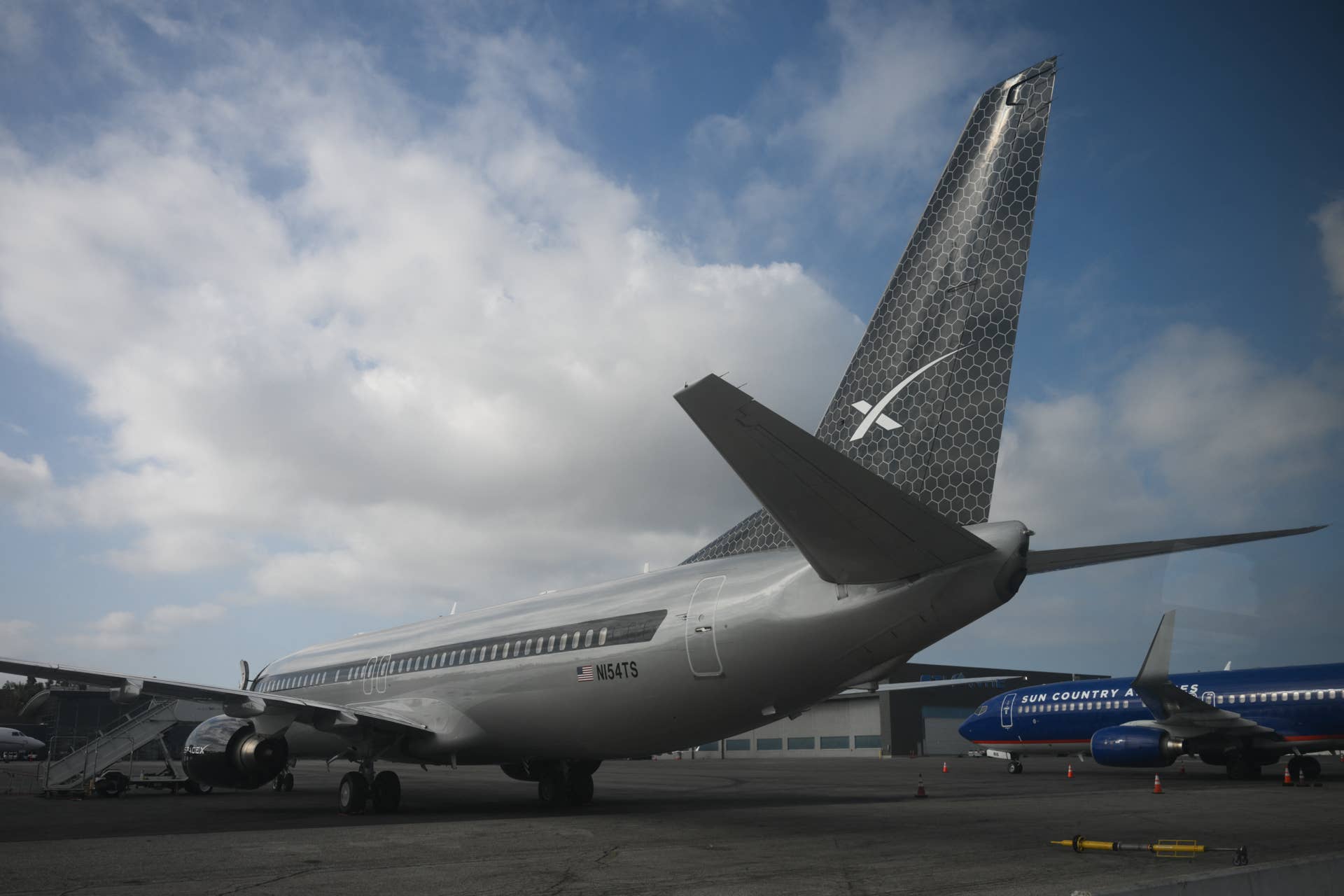 SpaceX is preparing Starship Flight 14, a mission central to expanding its next-generation Starlink network.
PATRICK T. FALLON / Getty Images
The pricing plan changing how SpaceX makes money
SpaceX launches rockets through its Falcon and Starship vehicles. It also sells Starlink internet subscriptions to homes and businesses, and rents out data center capacity that other companies use to run artificial intelligence programs.
That data center business is what has Mizuho excited, because SpaceX plans to launch space-based data centers soon.
SpaceX management has said it plans to charge between $30 and $50 per watt for that capacity in 2027, and current market prices are already near the top of that range, GuruFocus reported.
More SpaceX Coverage:
- SpaceX investors get bold Wall Street price target for 2027 year-end
- SpaceX just won something that gives its investors hope
- SpaceX renews investor hope with bold new plan
Linzey said demand for both space-based and ground-based capacity is holding “exceptionally firm” through the second half of 2026, which supports the strong profits Mizuho expects from the hosting business.
SpaceX also said a new major hosting agreement will start on Dec. 1, 2026. At the top of its price range, that deal is projected to bring in between $1.11 billion and $1.18 billion every month, GuruFocus reported. That is about $13.3 billion a year in revenue.
Where Morgan Stanley goes further than Mizuho on SpaceX
Adam Jonas at Morgan Stanley is even more bullish than Mizuho. Jonas has covered the space and mobility industries for more than two decades and helped build many of Wall Street’s early models for valuing SpaceX. He has an Overweight rating on the stock, a base target of $300, and a bull-case target of $600.
Jonas thinks SpaceX could bring in up to $319 billion in total revenue by 2030, as long as Starlink and the data center business keep growing at their current pace.
His model assumes the pricing plan remains the same and the company completes similar deals like the one in December in 2027 and 2028. He also treats SpaceX’s current $2.02 trillion value as just the start.
Mizuho’s $200 target focuses on what SpaceX can prove in the next 12 months. Morgan Stanley’s model projects about five years into the future. Both firms agree that the company’s pricing power is real, but they disagree on how quickly the market will reflect that in the stock.
What SpaceX investors should watch after Mizuho’s call
The next big event is Starship Flight 14, scheduled for Sept. 28. During the mission, SpaceX will try to reach orbit and deploy 26 of its newest Starlink V3 satellites. Those satellites expand the network that the data center business depends on. A successful launch would give investors more confidence that the operations side of the business is on track.
However, if other companies encroach on the new space-based data center business in 2027, SpaceX’s $30 to $50 per watt pricing could feel some pressure. The company’s 52% gross profit margins depend on that pricing remaining the same. More insider selling from the remaining lock-up releases could also affect the stock in the near term.
Current shareholders need to decide if they trust SpaceX’s management to turn the December hosting deal into steady, repeatable revenue. New investors may want to wait for the next earnings report and Starship Flight 14 before buying.
Related: Morgan Stanley doubles down on SpaceX stock for investors
