
In a dramatic reshaping of the U.S. space defense landscape, the Trump administration is pivoting away from Elon Musk’s SpaceX and actively courting Jeff Bezos’ Amazon (AMZN) -backed Project Kuiper as part of its ambitious Golden Dome missile defense program.
The $175 billion initiative is being designed to create a multi-layered, space-based shield over the United States.
According to sources speaking to Reuters this week, tensions between President Donald Trump and Musk, which culminated in a high-profile fallout in early June, have accelerated efforts by the White House and Pentagon to diversify beyond SpaceX for large portions of the Golden Dome.
💵💰Don’t miss the move: Subscribe to TheStreet’s free daily newsletter 💰💵
The U.S. has leaned heavily on SpaceX’s Starlink and Starshield satellite networks for military communications, but concerns of overreliance on a single provider and Musk’s political independence have prompted the strategic shift.
Last week, The Wall Street Journal separately reported that Trump aides had initiated a review of SpaceX’s contracts with the government, only to find most were vital to their respective programs.
“Each individual launch is going to get bid,” a U.S. official stated this week. “We have to actually give bids to other people [besides SpaceX].”
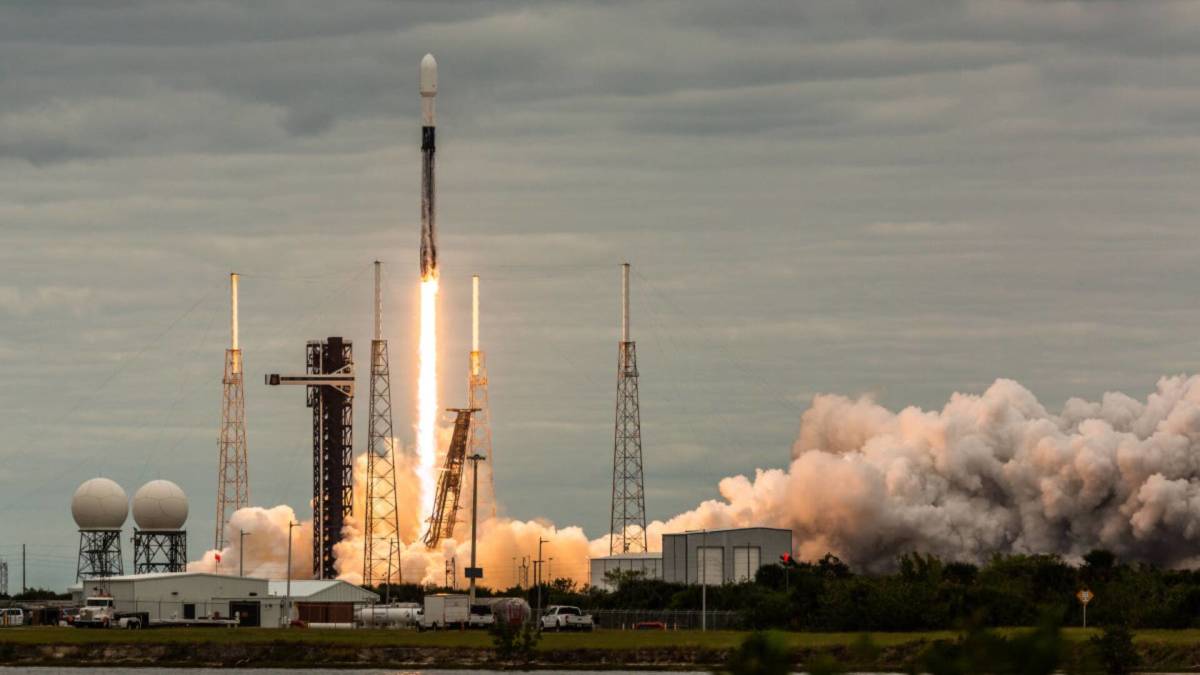 The Trump administration tries to avoid overreliance on a single contractor when it comes to building its missile defense program.
Image source: NurPhoto/Getty Images
Amazon’s Jeff Bezos steps into the Golden Dome spotlight
Project Kuiper, Amazon’s $10 billion satellite constellation, has deployed only 78 of its planned 3,000 satellites, but is increasingly viewed as a rising defense asset. Though Kuiper initially focused on commercial broadband delivery, defense officials have now opened discussions with Amazon to integrate the system into Golden Dome.
Bezos has downplayed the defense angle, stating earlier this year that Kuiper was “primarily commercial.” But he acknowledged that “there will be defense uses for these low-earth orbit constellations, no doubt.”
The move highlights a broader push by the Trump administration to involve commercial tech players in national security infrastructure matters, reminiscent of Israel’s Iron Dome missile defense program but on a much grander, orbital scale.
SpaceX, traditional defense giants still in play for Golden Dome contracts
SpaceX still retains an edge in one crucial area: launch capabilities. The company launched 81 missions in the first half of 2025, putting it on track to meet its goal of 170 launches for the year.
With over 9,000 Starlink satellites launched to date and a dominant market share in reusable rockets, SpaceX is still expected to win a significant portion of Golden Dome launch contracts.
“Federal acquisition regulations require using the best provider at the best price,” Musk wrote on X on Monday, in response to the Reuters report. “Anything else would be breaking the law.”
More Elon Musk News:
- Elon Musk company reveals major leap forward
- The ‘anti-Tesla’ gives American buyers more good news
- Elon Musk’s DOGE made huge mistakes with veterans’ programs
But competitors are already vying for their spots in the initiative. Rocket Lab (RKLB) and Stoke Space have been approached to bid on upcoming launches, and the Pentagon is reportedly in discussions with defense heavyweights Lockheed Martin, Northrop Grumman, and L3Harris, all of which have long histories supporting the space and missile defense markets.
Politics collide with Pentagon, Space Force deadlines
The rift has reverberated through federal agencies, with senior Pentagon and Space Force officials now tasked with executing a massive realignment under tight deadlines.
Under orders from Defense Secretary Pete Hegseth, newly confirmed Space Force General Michael Guetlein must build a team in 30 days, deliver a draft system design in 60 days, and present a full implementation plan within 120 days. Shortly after Reuters reported the story, the Pentagon acknowledged that the Golden Dome’s architecture would indeed be finalized “within the next 60 days.”
Last year, Congress allocated $13 billion to Space Force to purchase satellite-based communication services, up from only $900 million in 2023. The drastic increase in funding signals that Washington views the private sector, and especially satellite networks, as key to 21st-century warfare.
Related: Donald Trump wants a Golden Dome; this company could win big