
Crossing the border between Tennessee and North Carolina, Great Smoky Mountains National Park is by far the most-visited national park in the country, with an average of 11.5 million tourists in a given year.
The large number of visitors who come from all over is in large part due to the many different types of animals native to the South Appalachian region that call the 522,427 acres of mountainous rainforest home: everyone from black bears and white-tailed deer to wild turkeys, raccoons and mountain goats.
The Great Smoky Mountains are also home to approximately 2,200 different species of plants, which makes it one of the most biologically diverse ecosystems in the world.
2 Great Smoky Mountains visitors accused of illegally poaching hundreds of ginseng roots
One of these plants species is a native ginseng species and, according to a social media post that the national park put on Sept. 30, two visitors to the park were recently caught with a combined 588 roots that they were harvesting illegally.
One of the park visitors was caught with 167 poached ginseng roots while the other had 521 poached roots weighing a total of eight pounds. Ginseng can sell for up to $500 per dry pound on the black market.
“Wild ginseng is often taken illegally due to its use in traditional medicine,” the National Park Service (NPS) wrote in the post. “This illegal harvesting harms delicate habitats, takes away food that animals need, and reduces genetic diversity.”
Read now: A travel company is suing Trump over national park fees
Poaching ginseng in the park can result in fines of up to $5,000 and as long as six months in prison. The NPS did not elaborate on the specific charges that are faced by the two suspects or whether they were also hit with a park ban.
The plants that were seized by the park authorities will be replanted in the park. According to the park authorities, this will help undo some of the damage but only one-third of pulled-out ginseng survives when it is replanted quickly.
The average ginseng plant takes between seven to 10 years to reach maturity from a seed while some plants can live up to 75 years.
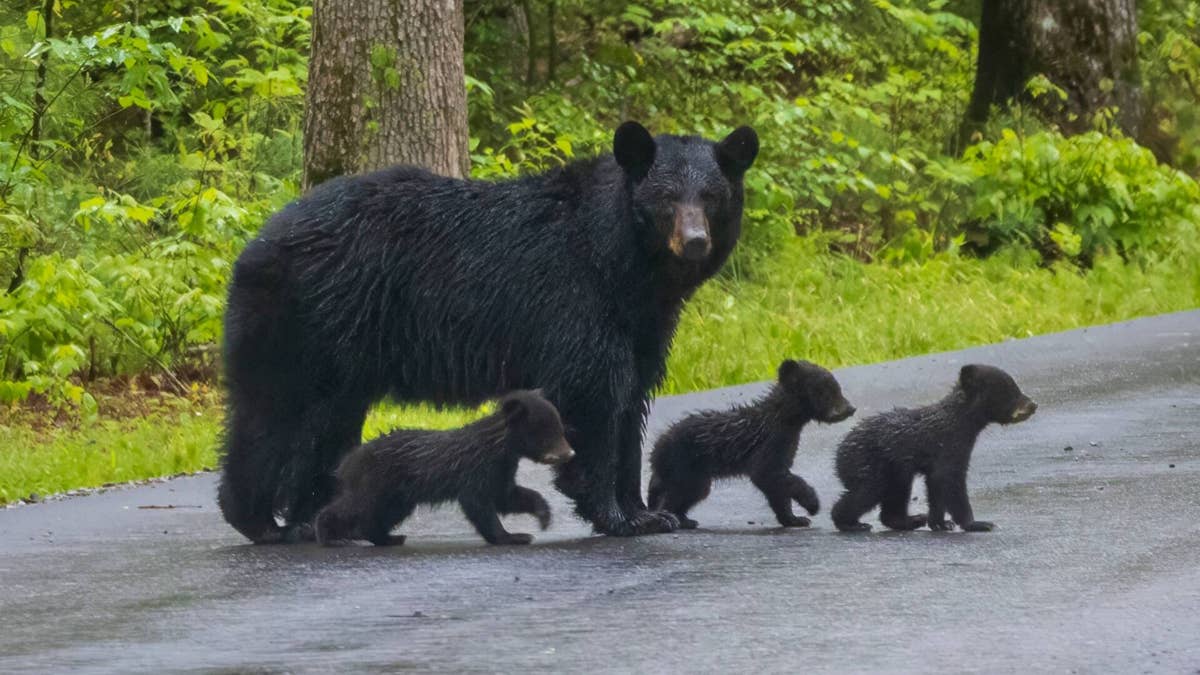 Great Smoky Mountains National Park is home to over 13,000 documented animal species and 2,200 plant species.
NPS: ‘Everything in Great Smoke Mountains National Park is protected’
“Everything in Great Smoky Mountains National Park — from wildlife to plants to rocks — is protected,” the NPS wrote further. “Illegal ginseng harvesting causes harm to the environment.”
The NPS urged anyone who observes illegal poaching or harvesting in the park to alert park authorities immediately. As ginseng grows in specific environments in the eastern and midwestern U.S., this is the first high-profile case of someone being arrested for harvesting ginseng in a national park this year.
More Travel News:
- Airline to launch unusual new flight to Cayman Islands from the U.S.
- There is a very cool Irish version of swimming pigs in The Bahamas
- Unexpected country is most luxurious travel destination for 2026
In August 2026, three men visiting the ecological Galt Preserve on Florida’s Pine Island were arrested for harvesting palmetto berries without a permit.
In California, local police made several arrests after catching poachers cutting redwood trees at Humboldt Redwoods State Park over the last few months.
Related: National park closes camping and tent locations until 2027
