
Getting attached to a television show these days is a much, much riskier proposition than it was 20 or 30 years ago.
Back then, popular shows stayed on the air much longer. Soap operas have some kind of seemingly indestructible staying power, with “Guiding Light” surviving a staggering 72 years on the air, “General Hospital” running ever since 1963, and “Days of Our Lives” ongoing since 1965.
💵💰Don’t miss the move: Subscribe to TheStreet’s free daily newsletter 💰💵
Take soaps out of the equation, though, and the count of long-running shows gets a lot fewer. “The Tonight Show” is on 71 years and counting, and “Saturday Night Live” continues on since its 1975 launch. “South Park” and “The Simpsons” are also rare in their class, going since 1997 and 1989, respectively.
Related: Netflix adds advertising tech that will enrage subscribers
But in the era of streaming, it’s more common than ever that a show may not survive after its first season, or might be abruptly canceled during its second or third, long after many viewers have invested heavily in its characters and storylines. A few of these that fans were sad to see go are the Mindy Kaling-created “The Sex Lives of College Girls” and a remake of “The Equalizer” starring Queen Latifah.
Recently, one of the most beloved long-running shows on the air looked as if it might be next to meet a tragic end after 56 years. But thanks to an impressive saving throw from Netflix (NFLX) , the historic TV show now has a brand new home.
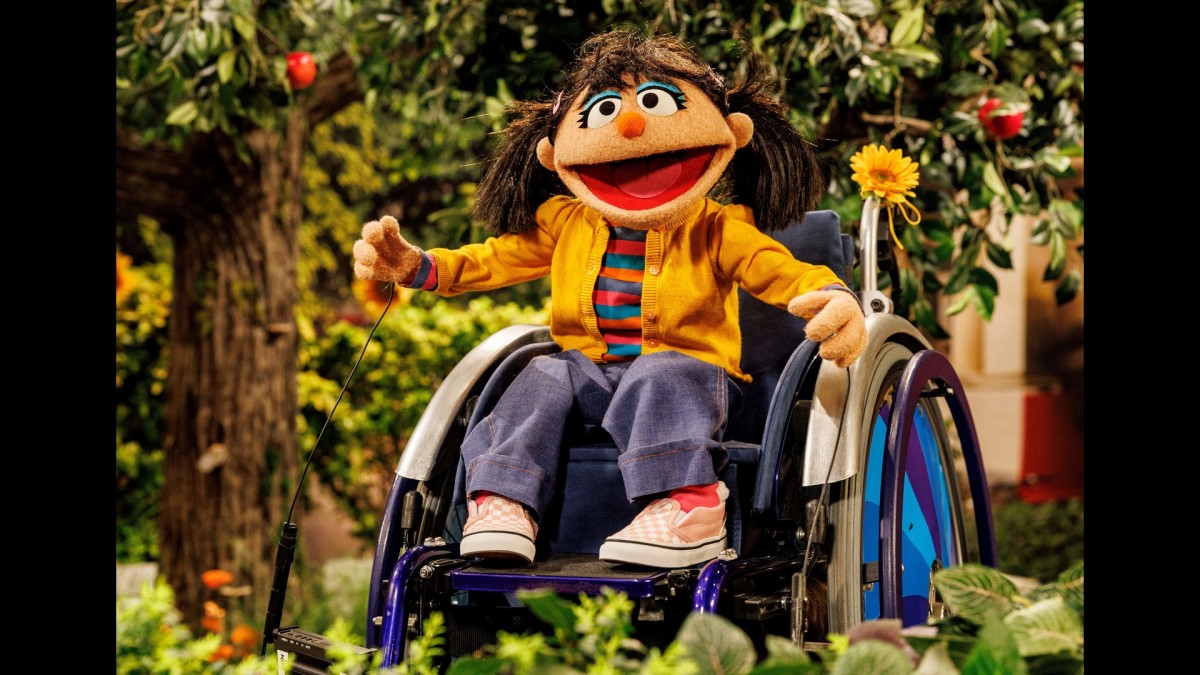 Sesame Street puppet Elin is the first disabled puppet ever shown on German television.
Image source: Heimken/AFP via Getty Images
Netflix makes a critical save
In mid-December, Warner Bros. Discovery made a shocking announcement: it had opted not to renew its deal with HBO and Max to air new episodes of “Sesame Street.”
The decision was a part of a strategic shift for the company, which says it intends to “prioritize our focus on stories for adults and families” and that “Sesame Street” is no longer core to that strategy.
“It has been a wonderful, creative experience working with everyone at Sesame Street on the iconic children’s series and we are thrilled to be able to keep some of the library series on Max in the U.S.,” a spokesperson for Max told The Hollywood Reporter.
HBO is referring to keeping past episodes of “Sesame Street” available in its library, which means viewers can still watch it through 2027. But as for its new episodes, “Sesame Street” still was in need of a new, permanent home.
Related: Netflix makes surprising move to attract new subscribers
On May 19, the Sesame Workshop announced via a press release that it had found one. That home will be Netflix, which will be host to the show’s upcoming 56th season as well as 90 hours of previous episodes.
The update also mentioned some “fresh format changes” coming to the classic show. Episodes will focus on “one 11-minute story” each, and segments fans love — like Elmo’s World and Cookie Monster’s Foodie Truck — will make a comeback.
The new deal could also include some video games. According to the fine print, the streaming giant now has the rights to develop video games for both the “Sesame Street” IP and “Sesame Street Mecha Builders.” These could appear as part of Netflix’s ongoing gaming offerings, which have been in the works since late 2021.
Big changes at Warner Bros. Discovery
Warner Bros. Discovery (WBD) posted an earnings miss when it reported its Q4 results on February 27, with a revenue decreased of 2.5% year over year to $10.02 billion.
This comes a few months after the media company announced a restructuring plan in December 2024, with the goal of completion by mid-2025.
The key change is a split between its cable and streaming businesses, with “Global Linear Networks” for CNN, TBS, TNT and other cable networks, and “Streaming & Studios” for HBO and the company’s film and entertainment studios. Another part of the change was the recent announcement that HBO would drop its “Max” branding and simply be known as HBO again.
CEO David Zaslav said in a press release: “The new structure will give Warner Bros. Discovery more ‘flexibility with potential future strategic opportunities across an evolving media landscape.'”
Netflix still has twice as many subscribers as Warner Bros. Discovery does across its own platforms, however, so when it comes to the streaming wars, Warner Bros. Discovery still has a long way to go. Whether its restructuring can help compete with Netflix and Disney (the #2 competitor in the space) remains to be seen.
Related: Social media reacts to surprising Warner Bros. announcement