
On October 20, 2026, Boeing (BA) announced that the Federal Aviation Administration finally certified the 737 MAX 10. Boeing’s 737 is one of the most popular planes on U.S. domestic routes, and the new MAX 10 is its largest version.
If you travel often, you’re likely to see this plane on busy domestic flights over the next few years. It has new safety upgrades and can hold more passengers than any 737 before it.
Boeing waited nearly nine years after launching the plane for this approval, so it’s a long-awaited win for the company after years of production limits and investigations following two fatal accidents with earlier, 737 MAX 8 models.
What the stretched MAX 10 means for passengers
What really caught my attention about the MAX 10 is how big it is. The plane is just over 143 feet long, which makes it the longest 737 Boeing has ever built. And to handle the longer body, Boeing had to add a special main landing gear that extends an extra 9.5 inches during takeoff.
The extra inches are to prevent the tail from scraping the runway when rotating. That extra length also creates more space, and according to Boeing, the 737 MAX 10 can accommodate up to 230 seats in a high-density layout.
Also read: Mizuho makes bold call on SpaceX stock before key launch
For airlines running busy routes between places like New York and Florida, more seats mean they can sell more tickets on a single flight. For passengers, it means there will be more available seats during peak travel seasons. And in some cases, lower fares on routes where there is usually more demand than supply.
The cabin still uses the familiar single-aisle layout that passengers and crews already know, which should help airlines get accustomed to the plane faster once deliveries start.
The safety redesign that took nine years to clear
The MAX 10 is the first commercial plane to be certified under the full rules of the 2020 Aircraft Certification, Safety, and Accountability Act. But the main reason Congress passed that law in the first place was because of two fatal MAX 8 crashes, in Indonesia and Ethiopia.
After reviewing the MAX 8’s systems to identify the failures that caused the accidents, Boeing identified that a fault with the jet’s angle-of-attack (AOA) sensor linked to the Maneuvering Characteristics Augmentation System (MCAS) flight-control software was the main cause of the crashes. The function of the sensor is to tell the plane if its nose is pointed too high.
To solve the safety problem, Boeing redesigned the AOA system to pull data from multiple sources. The company added a backup digital system to cross-check the sensors and give pilots clearer alerts when something is off.
Related: NASA doubles down on private space stations to replace ISS
The FAA also made sure to scrutinize everything before granting approval. Boeing said in its press release that “the program included nearly 1,000 test flights along with extensive safety assessments and design reviews.”
And after approval, the FAA set some deadlines that require every new 737 certified after October 2027 to carry the upgraded system. All existing MAX jets are also expected to be updated by October 2029, according to Upgraded Points Aviation News.
FAA Administrator Bryan Bedford said, “The FAA’s decision follows a thorough review of the aircraft’s design and safety requirements. We will continue to hold Boeing to the highest safety standards as the company begins production of the 737 MAX-10,” according to the FAA announcement.
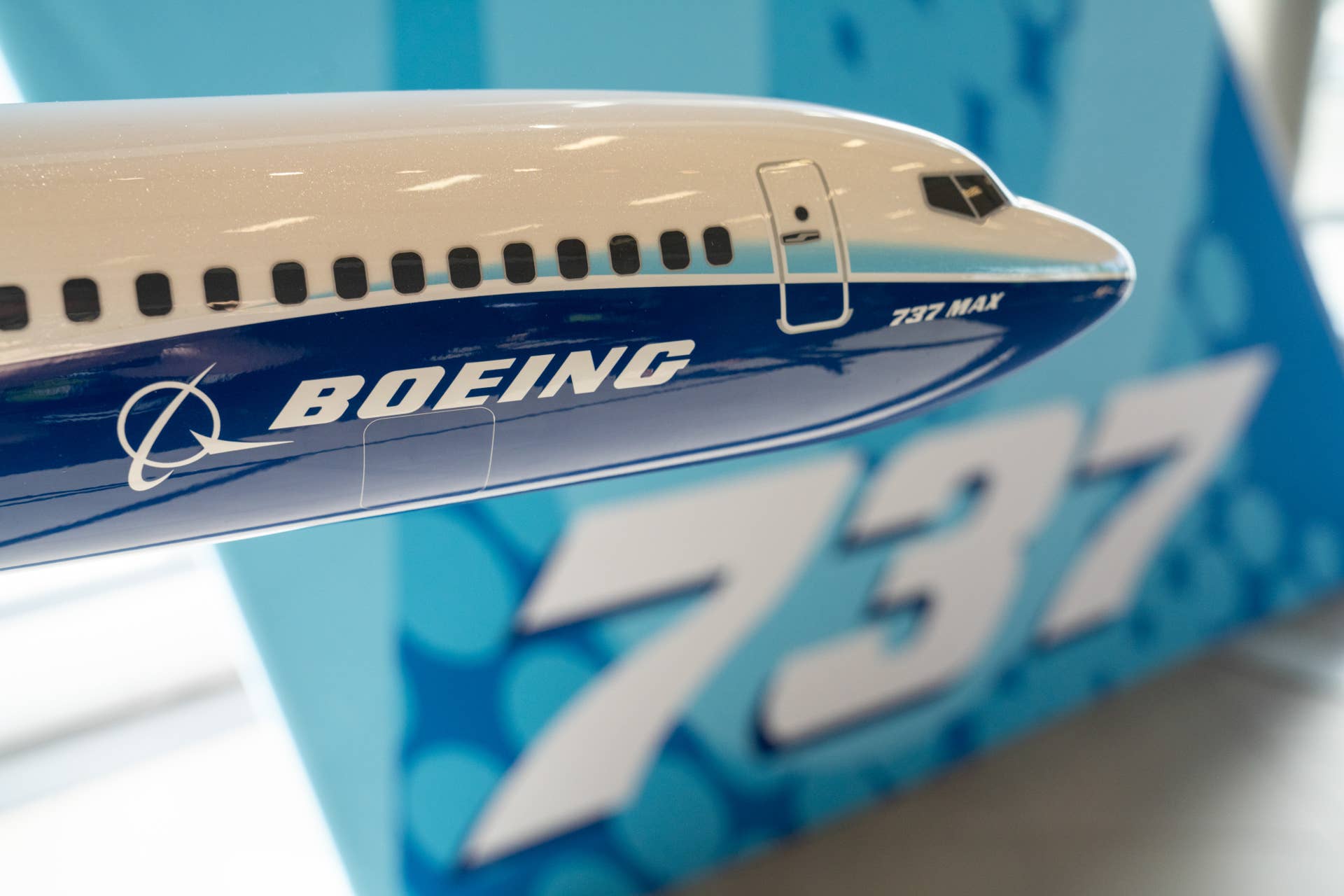 Boeing’s 737 MAX 10 was certified by the FAA on October 20, 2026, completing the MAX family after a nine-year wait.
Why airlines wanted this bigger jet so badly
Boeing built the MAX 10 to compete with the Airbus A321neo, which has been grabbing most of the orders among large single-aisle planes, SimpleFlying reported.
Boeing said in its certification announcement that the jet “delivers the lowest per-seat costs of any single-aisle airplane in service.” When airlines spread fuel and crew costs across 230 passengers, each flight becomes cheaper to run on a per-ticket basis. That usually leads to healthier airline profits and steadier fare prices.
More Aerospace Stocks:
- Boeing lands key role in future of U.S. air power
- NASA doubles down on private space stations to replace ISS
- Lockheed is spending its own money before Washington signs off
Some airlines are already lining up to get a piece of the 737 MAX 10. Boeing noted in its announcement that it already has around 1,555 orders. It also said that more than 30 customers around the world have bought the 737 MAX 10.
What this means for Boeing shareholders
For BA investors, the certification removes one of the biggest worries that has been affecting the stock. And just after the announcement, Bank of America analyst Ronald J. Epstein, who has covered the aerospace sector since 2001, reiterated his Buy rating and $270 price target on Boeing. He previously worked as a research scientist at Boeing’s Phantom Works, so he is an expert voice in the field.
“The certification should help Boeing continue to ramp and stabilize 737 production rates and deliveries,” Epstein wrote in a BofA Global Research report shared with me. He also noted that Boeing already has about 30 MAX 10 jets ready to go.
Although Boeing shares closed at $187.55 on October 22, down 17.66% year to date, I believe the final MAX certification clears one of the company’s biggest hurdles ahead of its third-quarter earnings report on October 27.
