
When I wrote in one of my previous articles that I don’t allow my children to play video games, some readers were so caught up in that sentence that they didn’t even read the entire article. It looks like I touched the nerve, which was not my intention.
I guess my friend was right to say, “You are so brave to open up with that. People are not going to understand what you are saying, and some of them will think you are from the Stone Age.”
💵💰Don’t miss the move: Subscribe to TheStreet’s free daily newsletter 💰💵
We are all different, but one thing is true — the majority of parents are really doing all they can to do the right thing by their children. Since we are different people, brought up by different parents, with various habits, opinions, and characters, it is expected that we all will raise our children in a different way, but with the same intention — to help them grow up to be good people.
So yes, my children don’t play video games, and not only are they too small for that, but they are not asking for it. Their lives are filled with so many other wonders, such as hiking, camping, kayaking, bicycle riding, reading, painting, and more, that they don’t have time or any reason to be angry about not playing video games. At least for now.
I am not all against technology; on the contrary, I consider it very useful when used appropriately, and I try to teach my kids the same.
Sometimes, video games can get out of control, and now, a group of parents is raising serious questions about one highly popular game: Fortnite.
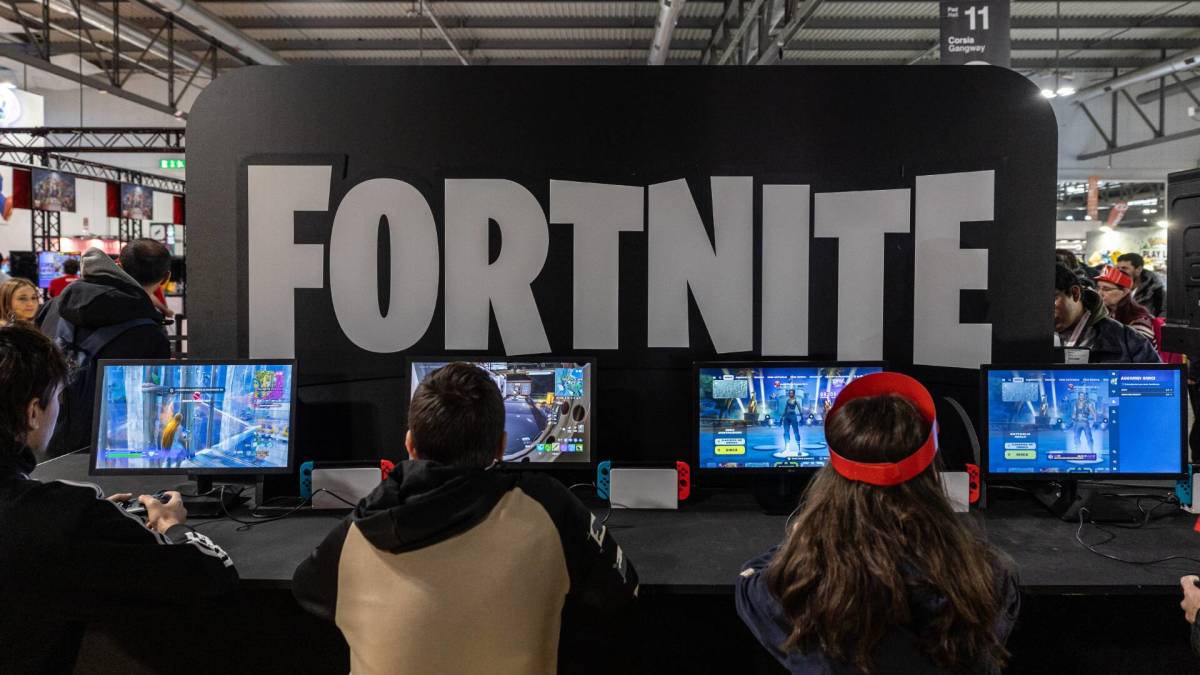 Fortnite is widely popular, boasting 650 million registered players.
Image source: Getty Images
What’s so special about Fortnite?
With around 650 million registered players and 110 million active monthly players, Fortnite is a wildly popular game. It is relatively new, having been released in 2017.
Developed by Epic Games, Fortnite provides players with a virtual world where they can compete against each other.
Related: Parents should be more worried about Mattel’s Barbie than ever
There are many game modes, but in most of them, the goal is the same — eliminate the competition and remain the last one still standing. While the game is free to download and play without any limitations, players can make in-game purchases.
That is how Epic Games makes billions of dollars in revenue each year. Players are buying V-Bucks, the in-game currency, which they can use to buy customizations and other features.
The game operates on a seasonal model, with each season lasting 10 weeks. With meticulously crafted rewards and incentives, this seasonal approach ensures that the experience is consistently fresh and engaging.
Then there’s a system of daily challenges that motivates players to play every day, a feature called Battle Royale that can’t be paused without losing the game, plus continual upgrades of the in-game map and specific games.
More on video games:
- Xbox takes page from Nintendo playbook in a move gamers will love
- Popular pizza dining chain expands into adult arcade business
- Can Nintendo Snap ‘Hit-and-Miss’ Console Track Record With Switch 2?
Considering all this, it appears that the game can be very addictive, which is the claim some parents are making in a lawsuit, reports Top Class Actions.
Lawsuits are piling against game makers
It is not commonly known that video game addiction is recognized as a mental health disorder, comparable to gambling addiction, writes Lawsuit Update Center.
The World Health Organization included gaming disorder in the 11th revision of the International Classification of Diseases and the American Psychiatric Association describes it in its Diagnostic and Statistical Manual of Mental Disorders (DSM-5-TR), which recommends the condition for further research.
According to the American Medical Association (AMA), symptoms that show video game addiction or gaming disorder include obsession, withdrawal symptoms when not playing, tolerance, difficulty stopping game play, neglect of other activities, gaming despite negative consequences, deception, and risk ignorance.
Lawsuits are being filed across the U.S. by families who feel harmed by video game addiction, particularly related to games like Fortnite. The plaintiffs seek financial compensation for the damages.
Usually, these cases are classified as product liability lawsuits involving three major claims:
- Failure to warn
- Design defect
- Manufacturing defect
The Fortnite lawsuits mainly focus on the first two claims, arguing that Epic Games negligently failed to warn consumers about the addictive potential of the game. The design defect part of the lawsuits argues that the game was defectively designed with the intent to make it addictive.
Epic Games is not the only game maker targeted in a series of lawsuits. One lawsuit filed on May 27, 2025, goes after both Microsoft and Epic Games, with plaintiffs seeking relief against the alleged damage caused to minor users, such as psychological distress, medical expenses related to addiction problems, and more.
Lawsuits started mainly last year, and while the majority seem to be ongoing, a few have been dropped.
Some people comment on forums that this problem stems from bad parenting. Are they right, or is there a case against these game makers?
Perhaps time will tell. Meanwhile, those who have experienced similar harm can check whether their case qualifies for a lawsuit on TopClassAction, Lawsuit Information Center, TorHoerman Law, and many more legal websites.
Related: Veteran fund manager unveils eye-popping S&P 500 forecast