
For years, the central criticism of renewable energy was a single word: intermittency. Wind stops blowing. The sun sets.
Fossil fuels, the argument went, are reliable in a way that weather-dependent power sources can never be. That argument shaped energy policy debates on both sides of the Atlantic for decades.
Three months into the Iran war, it is being turned upside down.
What Nordic energy leaders said in Helsinki and why it is directed at Americans
On the sidelines of the Eurelectric Power Summit in Helsinki, Finland, the chief executives of two of Europe’s largest energy companies told CNBC that the prolonged closure of the Strait of Hormuz has exposed something the energy industry has been reluctant to say out loud: fossil fuels have their own intermittency problem, and it is called geopolitics.
Markus Rauramo, CEO of Finnish energy company Fortum and President of Eurelectric, was direct when asked about the comparison. “It’s a different kind of intermittency, but absolutely,” he told CNBC.
More Oil and Gas:
- Early Chevron stock investors now earn 12.1% dividend yield
- Chevron, Shell ink more surprising Venezuela deals
- AAA gas prices reveal a new trend for Americans
“So, exactly, this is our message: that the solution to being dependent on imported CO2-content fuels is to actually have homegrown clean electricity. That’s the way forward, but then we are very realistic,” he added.
Birgitte Ringstad Vartdal, CEO of Norwegian energy company Statkraft, made a similar point, highlighting advances in battery technology as a factor that has materially changed the reliability equation for renewable power.
The message from both executives was the same: the Hormuz crisis is not a reason to panic. It is a reason to accelerate.
Why the Hormuz closure reframes the intermittency argument on oil and energy
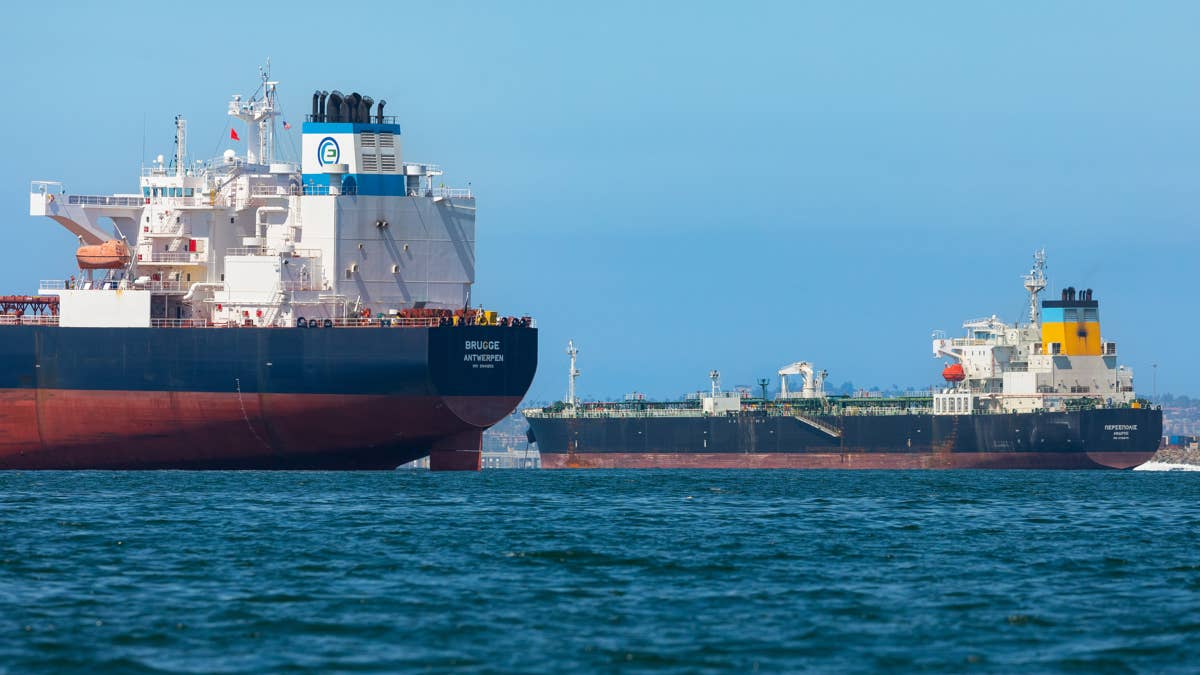
The Strait of Hormuz carries roughly 20% of the global oil and liquefied natural gas supply under normal conditions. When it closes, that supply does not simply reroute cleanly.
Alternative shipping lanes are longer, more expensive, and capacity-constrained. Prices rise, markets tighten, and consumers feel the impact through energy bills and transport costs, regardless of where they live.
That is the intermittency argument applied to fossil fuels. Kingsmill Bond, energy strategist at UK-based think tank Ember, put it bluntly to CNBC in Helsinki.
“The big mantras, and I’m surprised we haven’t heard people talking about this yet, is that fossil fuels are now intermittent and uncertain, which, of course, was the argument leveled against renewables,” he said. “Renewables, thanks to batteries, have become actually pretty constant, given the sun rises every morning.”
The argument is not that renewables are perfect. Rauramo acknowledged that moving away from gas remains a significant challenge for households and industries relying on existing fossil fuel infrastructure.
The argument is that the comparison has changed. Fossil fuel supply chains can be disrupted by a single geopolitical event in a way that a solar panel on a rooftop in Ohio cannot.
 For American policymakers and investors watching the situation, the Nordic message is worth taking seriously even if the US energy position is structurally stronger.
Rue/Getty Images
What the oil and LNG market disruption means for Americans specifically
The United States is the world’s largest oil and gas producer, which insulates domestic consumers from some of the direct supply risk that European importers face.
But global oil markets are interconnected, and a supply shock in the Gulf still translates into higher prices for gasoline, jet fuel, and heating oil even for Americans who never buy a barrel of Middle Eastern crude.
The LNG dimension is also relevant. As Europe has reduced its dependence on Russian gas since 2022, it has turned increasingly to US liquefied natural gas exports.
That means American LNG production is now deeply embedded in European energy security calculations. A disruption that tightens European gas markets can have effects on US export volumes, pricing, and infrastructure utilization, CNBC reports.
The broader point from Nordic executives is that energy security is not just about producing more. It is about reducing exposure to the kind of concentrated chokepoints that can be shut by conflict, politics, or accident. A country that generates more of its electricity domestically from wind, solar, and nuclear is structurally less exposed to that risk than one that depends on imported fuel moving through a single 39-kilometer-wide strait.
Key context on the Hormuz closure, renewables, and the energy security debate:
- Markus Rauramo holds two roles simultaneously: CEO of Fortum, one of the lowest-carbon energy companies in Europe with operations across Nordic and Baltic markets, and President of Eurelectric, the association representing Europe’s electricity industry; his comments at the Power Summit therefore carry institutional weight beyond a single company, CNBC noted.
- The European Commission has said EU gas storage could still reach 80% by the end of summer despite the Hormuz disruption, which would help secure winter supply, but warned that conditions could tighten further if the situation does not improve, according to IBTimes
- Jet fuel is identified as one of the most exposed products in the current disruption; unlike crude oil, jet fuel cannot easily be substituted or stockpiled at the same scale, making airlines and transport networks particularly vulnerable to a prolonged Hormuz closure, IBTimes confirmed
- Kingsmill Bond of Ember noted that batteries have fundamentally changed the reliability case for renewables; the combination of solar, wind, and storage can now provide baseload-level consistency in a way that was not commercially viable five years ago, according to CNBC
- Statkraft CEO Birgitte Ringstad Vartdal is the head of the world’s largest producer of renewable energy, giving her perspective particular weight in the battery storage and grid reliability debate; Statkraft operates hydropower, wind, and solar assets across 21 countries, CNBC confirmed
What the Nordic oil and energy warning means for investors and policymakers
The Eurelectric Power Summit message is ultimately a geopolitical one dressed in energy language. When the CEO of Fortum says the solution to fossil fuel intermittency is homegrown clean electricity, he is making a case for capital allocation, not just climate policy. Every dollar invested in domestic renewables is a dollar that reduces exposure to supply chains that can be severed by events no government in Europe or America controls.
For investors, the Hormuz disruption has already been visible in oil prices, LNG spot markets, and energy equity performance. The longer-term signal from Helsinki is that the crisis is accelerating policy conversations in Europe about domestic energy investment that were already moving in that direction. That could translate into faster permitting, more grid investment, and stronger mandates for storage deployment , all of which are positive for the renewable energy supply chain.
For American policymakers and investors watching the situation, the Nordic message is worth taking seriously even if the US energy position is structurally stronger. The global oil market does not respect borders, and the argument that domestic energy resilience requires diversification away from fossil fuel chokepoints is one that applies in Ohio as much as it does in Oslo.
Related: Chevron CEO sends blunt message on oil, the economy