
Novo Nordisk just did something that could shake up a lot of what we think we know about drug prices in the U.S.
The company said it is lowering the prices of its popular weight-loss medicine Wegovy in some parts of China. Reports say that some provinces are seeing reductions of up to 48%, according to Reuters.
Chinese dealers said Eli Lilly’s Mounjaro will also be cheaper starting on Jan. 1.
This isn’t about feeling sorry for patients. It’s about setting prices in a market that is very competitive. Americans may not see the same prices tomorrow, but these adjustments are a lot more important than they seem.
The U.S. won’t be able to continue in its high-price bubble forever if the world’s leading drug companies are already cutting prices in the fastest-growing obesity market on Earth.
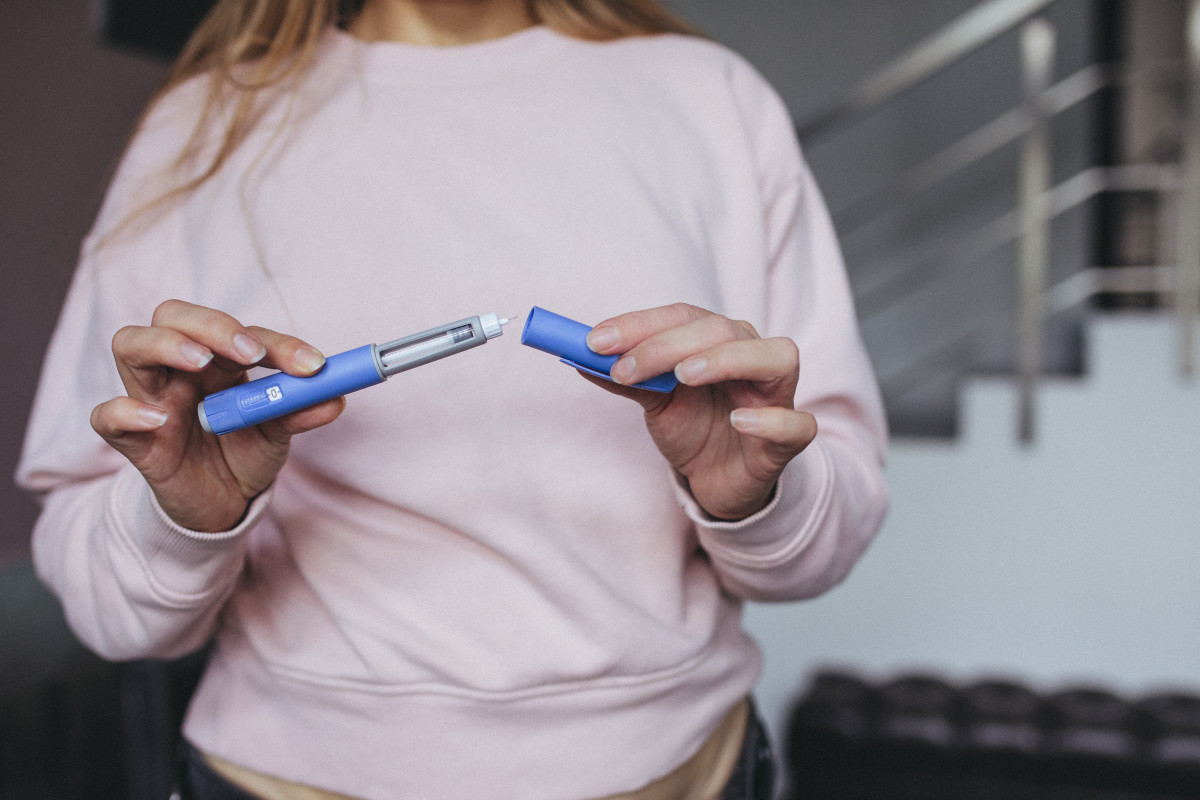 A drug pricing pivot abroad may accelerate changes already underway.
Photo by Tatsiana Volkava on Getty Images
U.S. consumers are already seeing price cuts, just not at the pharmacy counter
First of all, Wegovy and Mounjaro still cost four figures at most U.S. pharmacies.
But there is a subtle change happening, and it is coming directly from the companies that make the products.
- NovoCare Pharmacy sells Wegovy for $349 a month if you pay in cash. For a limited time, there is an offer for $199 a month to start.
- LillyDirect says that Zepbound (the brand name for tirzepatide, like Mounjaro) costs as little as $299 a month for eligible patients who pay for it themselves.
These are the rates that are publicly available. They aren’t coupons, and the rates do not apply to shops that operate underground. The change also does not apply to TikTok sellers.
That change is important because it shows that both corporations anticipate competing on price, especially since payers, employers, and legislators want more access and lower costs.
Discounts in the world’s second-largest market can shatter American price walls
China is not a small market; it is a huge engine. More than 65% of China’s population may be overweight or obese by 2030, according to estimates, South China Morning Post reports. For Novo and Lilly, that’s a huge market.
There, lowering prices is about getting more sales, not giving up profit. But it sets a standard that will be seen all across the world.
Related: Palantir tells teens to skip college. Here’s what it really means for the stock
For a long time, investors have thought that GLP-1 medications could stay expensive for a long time.
But China’s price reset makes you wonder how long it will be before other governments or even individual purchasers want the same deal.
Washington’s price mandate may be the biggest catalyst
The true battle over prices in the U.S. isn’t at the drugstore; it’s in Washington.
The Centers for Medicare & Medicaid Services have already released “maximum fair prices” for important pharmaceuticals that will go into effect in January 2027. These include Wegovy, Ozempic, and Rybelsus, which are all based on semaglutide.
More Health Care:
- If your Medicare plan was canceled, do this now
- Health care costs are the wild card in year-end tax planning
- 22 million Americans hit by ACA health insurance cliff after vote fails
- How Work Conditions Impact Mental Health
CMS came up with the number $274 for a 30-day supply, which is a lot less than the current retail price of nearly $950.
This doesn’t mean that your Medicare copay will miraculously go down tomorrow. But it does mean:
- The U.S. government now has an official reference price.
- The $274 number will be used by every pharmacy benefit manager and insurance company that is negotiating prescription pricing.
- Novo and Lilly are also keeping an eye on that benchmark and making plans based on what they see.
Coverage is available even without Medicare, due to FDA label extension
For years, weight-loss medicines struggled to obtain comprehensive insurance coverage in the U.S. because plans viewed them as lifestyle items rather than medical necessities.
But that’s changing.
The FDA authorized Wegovy in March 2024 to help lower the risk of serious heart problems in individuals who already have heart disease and are overweight.
That takes it out of the “vanity drug” category and into heart health, which is a big change that could lead to more insurance coverage.
Related: Novo Nordisk just pulled off something nobody saw coming
That approval means:
- Some Medicare Advantage plans might pay for Wegovy, since it is good for your heart.
- Employer plans and state Medicaid programs might begin to do the same thing, especially if HR and patient advocacy groups put pressure on them.
Wegovy is no longer only a medicine for losing weight, in other words. It is now a treatment for real health problems, which is important when talking about pricing.
Why this all adds up to a tectonic shift in U.S. obesity drug pricing
The prices of GLP-1s are shifting quickly because of China’s big reductions, new cash-pay programs, and Medicare’s upcoming price limitations.
No, the U.S. won’t become into China overnight. But the assumption that these treatments will stay in the $1,000+ a month range forever is starting to fade.
Next steps to watch for obesity-drug pricing
- Prices for optics stay expensive, but cash-pay choices keep falling through direct programs.
- Private insurance companies are able to get more rebates, especially now that Medicare pricing anchors are in place.
- Politicians use global standards like China to get drug firms to give bigger discounts.
For American patients, the message is clear: In the next two years, there will be more choices, easier access, and most importantly, lower prices.
It may not look like the discount from China, but it’s closer than ever.