
Many Americans may not realize the importance of the gut microbiome, or the ecosystem of microbes that live in our intestines, and its impact on overall health.
A 2023 Ipsos poll also revealed that many Americans have accepted to live with their digestive problems, with one in five saying they tried many things to resolve the issue, but haven’t succeeded.
💵💰Don’t miss the move: Subscribe to TheStreet’s free daily newsletter 💰💵
About 18% of Americans confirm they have been diagnosed with hemorrhoids, and 15% say they have been diagnosed with gastroesophageal reflux disease (GERD).
How is this possible?
Food plays a significant role in our gut and overall health. However, it is not the only culprit for various illnesses, because poor nutrition is often associated with other less healthy behaviors.
Sugar-sweetened beverages (SSBs) are leading sources of added sugars in the American diet, and frequent consumption is associated with weight gain, Type 2 diabetes, kidney diseases, obesity, gout, a type of arthritis and more.
However, more frequent consumers of sugary drinks tend to be those who don’t exercise regularly, eat fast food often, smoke, don’t sleep enough, and do not consume enough fruit, reports the CDC.
Over the last couple of years, healthier soda alternatives have grown in popularity, due to the newer generations’ focus on healthier lifestyles and mindful eating.
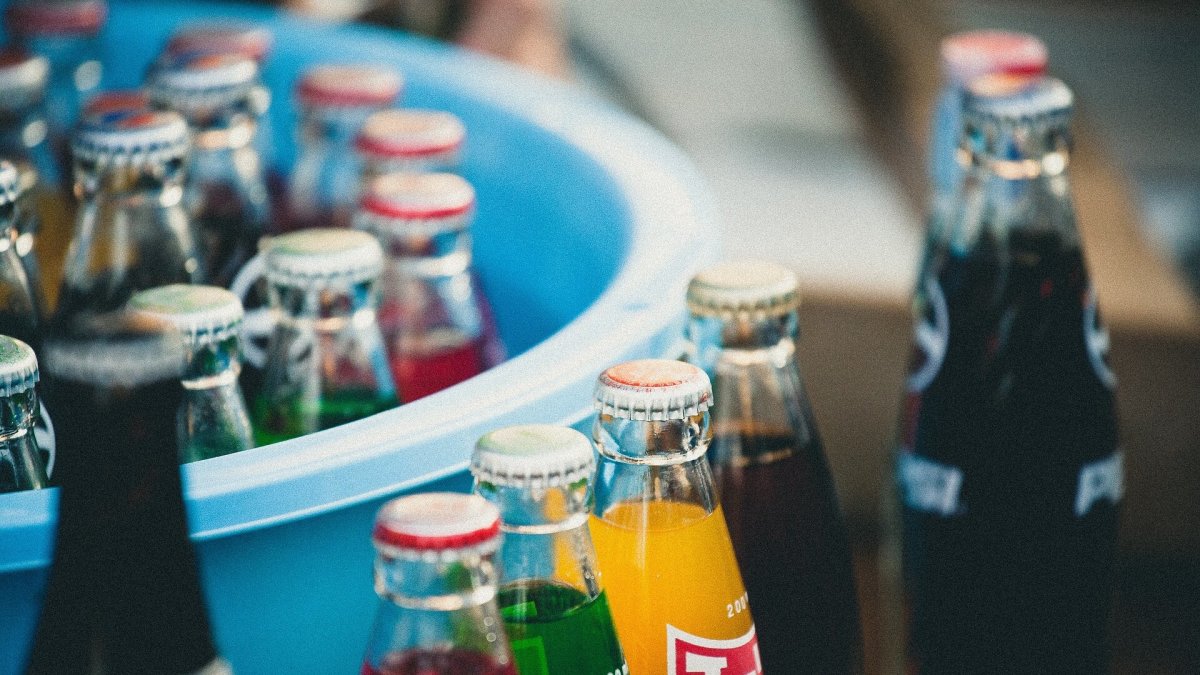 Under the White House’s “Make America Healthy Again” initiative, pressure is mounting on soda giants to adapt their formulas.
Image source: Pixabay
Pepsi launches prebiotic soda to win back customers
U.S. Secretary of Health and Human Services Robert F. Kennedy Jr. recently started a major crackdown on various ingredients commonly found in food and beverages, with one of the goals being to eliminate synthetic dyes in food and drinks.
Related: Scientists find massive anti-aging potential in magic mushrooms
Kennedy Jr. also stressed that sodas are one of the biggest contributors to the poor health of many Americans. Under the White House’s “Make America Healthy Again” initiative, pressure is mounting on soda giants to adapt their formulas.
Just recently, it was announced that Coca-Cola might make a big change to its sodas— switching from high-fructose corn syrup to cane sugar.
Earlier this year, Coca-Cola launched its own prebiotic soda under its juice brand Simply, and now its biggest rival, PepsiCo (PEP) , is making a similar move.
More Retail:
- Target delights shoppers with savings event, 30% discounts
- US government wants to make healthier eggs illegal
- Pepsi issues stern message to employees after mass closures
On July 21, the soda giant announced the launch of its Pepsi Prebiotic Cola with:
- 5 grams of cane sugar;
- Only 30 calories (a standard Pepsi serving contains about 150 calories);
- No artificial sweeteners;
- 3 grams of prebiotic fiber.
Pepsi is launching prebiotic cola in two traditional flavors: Original Cola and Cherry Vanilla. Available in 12 oz. single cans for trial and 8-packs of 12 oz. cans, the new sodas will be available online this fall and at stores in early 2026.
What are prebiotics, and which prebiotic soda is the healthiest?
Pepsi Prebiotic Cola’s launch comes a few months after the beverage titan announced the purchase of prebiotic soda brand Poppi for nearly $2 billion.
Pepsi’s move into a healthier beverages market was a way to win back customers. After all, according to a study by Harvard researchers, the number of young people who consumed at least one daily sugar-sweetened drink dropped to 61% from 80% between 2003 and 2016.
Related: Target delights shoppers with savings event, 30% discounts
Prebiotics are non-digestible, fermentable food ingredients that modify the composition or activity of gastrointestinal bacteria to benefit the host, according to the National Library of Medicine.
Foods like cereals, breads, and snack foods have added prebiotics if you see on the food label some of the following terms: inulin, wheat dextrin, acacia gum, psyllium, polydextrose, GOS (galactooligosaccharides), FOS (fructooligosaccharides), and TOS (transgalactooligosaccharides).
While prebiotic sodas can support your gut health, too much of it can cause gas, bloating, or diarrhea. Experts advise people who have gastrointestinal problems such as Crohn’s or ulcerative colitis to avoid them.
Samantha Nazareth, MD, board-certified gastroenterologist, told Woman’s Health that prebiotic soda shouldn’t replace plant-based foods like apples, garlic, artichokes, asparagus, and oats, which naturally contain gut-friendly fiber.
The outlet consulted with experts to determine what health-conscious consumers should look for in prebiotic soda for the most benefits. They advised the following:
- Three grams of fiber per serving from ingredients like chicory root, inulin, and acacia fiber
- No more than 10 grams of sugar
Related: Veteran fund manager unveils eye-popping S&P 500 forecast