
Panera Bread has the word “bread” right in its name and the chain’s fresh-baked bagels, sandwich bread, baguettes, and other breads have always been a calling card for the chain.
The chain, in fact, was built around fresh bread and it still touts that in the history section on its website.
Panera began in 1987 as St. Louis Bread Company, a humble community bakery founded with a sourdough starter from San Francisco and a dream of putting a loaf of bread in every arm. While our business has expanded well beyond St. Louis since then, that same sourdough starter is still used in our iconic sourdough bread and the craft of baking bread fresh each day remains at the heart of Panera Bread. Each day our trained bakers fill our bakery shelves with delicious freshly baked cookies, pastries, bagels, and a range of breads from focaccia to classic baguettes.
Panera, which is now owned by private company JAB Holding, has been in a multi-year process of closing its fresh bread baking facilities. The chain will begin closing its remaining fresh dough facilities over the next 18 months to two years, completing a transition that started more than a year ago.
Panera stops baking fresh bread
For decades, Panera has used its fresh dough bakeries to produce the dough used for bread, bagels, and pastries every day in all Panera bakery-cafes nationally. The chain, however, has been slowly closing those locations and is switching to a par-baked model where products arrive half-baked and are finished on-site in ovens.
Panera’s Chief Corporate Affairs Officer, Brooke Buchanan told Nation’s Restaurant News that the shift will streamline operations and ensure consistent, available products as the brand accelerates growth under a three-year transformation plan.
“Our bread is our superstar and the homage to our brand. We wanted to make sure that the product in store was top quality, using the best ingredients based on our recipes.…The hardest thing for our team members is to say, ‘No, we’re out of that product,” she said.
More Restaurants:
- Chick-fil-A to open its first global restaurants in 2025
- Famous Japanese restaurant chain closes US restaurants
- Popular Italian restaurant chain files Chapter 11 bankruptcy
So, basically Panera is sacrificing fresh-based bread, which might sell out, for par-baked products which are easier to keep in stock.
“It’s another story about nostalgia because the brand itself is based on that nostalgia feeling that they make their own bread. And I do get the idea that being more efficient can help keep jobs and profit, but will it still retain that emotional component of that feeling of that bread for people who love the brand,” shared RTMNexus CEO Dominick Miserandino told TheStreet.
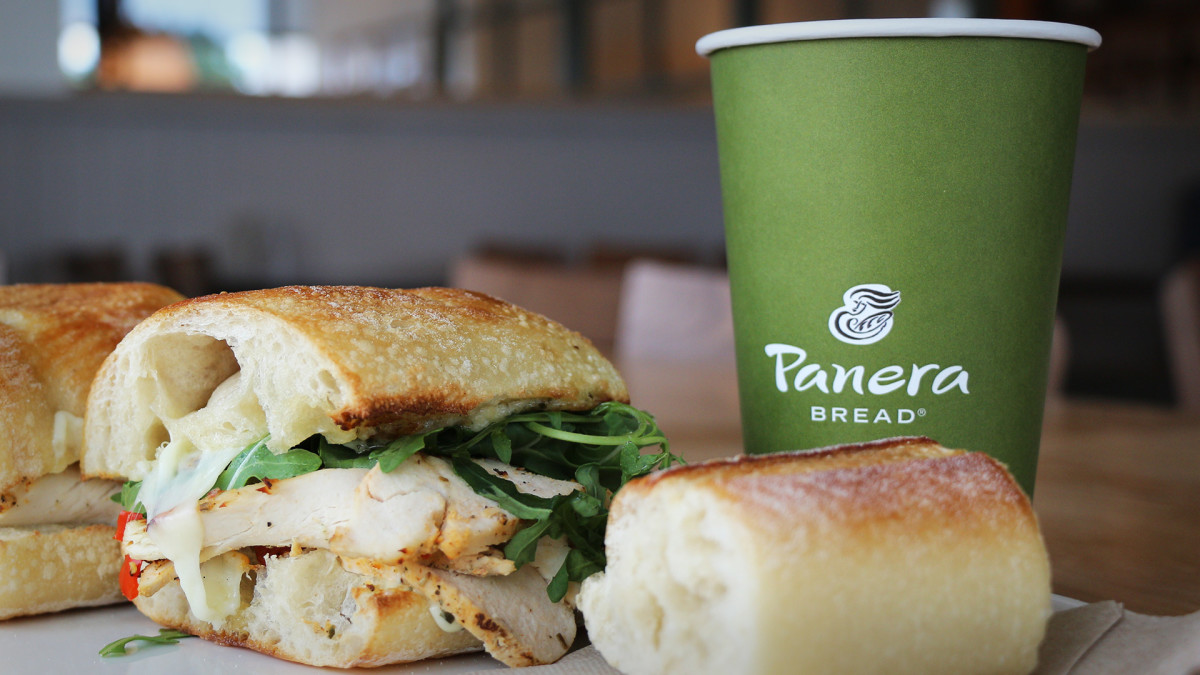 Bread and bagels are Panera’s core product offering.
Image source: Shutterstock
Panera fresh dough facility closures FAQ
- Why is Panera closing its Fresh Dough Facilities?: Panera is shifting away from its decades-old model of making dough from scratch in centralized “Fresh Dough Facilities” (FDFs). The company says this is part of a larger transformation plan to improve consistency, expand more easily into new areas, and make bakery items available throughout the day.
- What will replace the Fresh Dough Facilities?: Instead of scratch dough from FDFs, Panera will move to a par-baked model:
- Dough/bread products will be partially baked offsite by partner artisan bakeries using Panera’s recipes and ingredients.
- These par-baked items will then be shipped frozen to Panera cafés.
- In cafés, staff will finish the baking so customers still get fresh-baked bread, bagels, and pastries (sort of)
- Will the bread still taste the same?: Panera says yes. They emphasize that the recipes, ingredients, and quality standards remain the same.
- What will replace the Fresh Dough Facilities?: Baking Business shared more info on how the process works:
Under the existing model, dough is mixed and shaped at a commissary and then delivered to cafes, where it’s reshaped and baked. The on-demand model enlists third-party artisan bakers that — using Panera recipes and ingredients — par-bake and freeze bread for shipment to Panera locations, where the baking is completed as needed.
Panera has also closed stores
Earlier this year, Panera Bread lost 15 locations when franchise operator EYM Cafe filed for Chapter 11 Bankruptcy protection. At the time of the filing, the company reported $0-$50,000 in assets and $1 million to $10 million in liabilities.
“The company is facing substantial tax liabilities, including $550,000 owed to the Internal Revenue Service and over $354,714 in 941 tax obligations. Additionally, the company owes $124,186 to the Texas Comptroller of Public Accounts. The filing shows numerous landlord creditors for different store locations, suggesting the company has been struggling with lease obligations across its restaurant portfolio,” RK Consulting reported.
Prior to the August Chapter 11 filing, Panera Bread had sued its franchise operator accusing it of repeatedly breaching its franchise agreements by failing to make required payments, maintain food safety standards, and pay vendors and landlords.
The suit says Panera Bread terminated franchise rights at multiple Houston-area locations earlier this year, but claims the franchisee continued to operate the locations, CoveringKaty reported.
The chain has also had select closures for lease-related issues and, in some cases, low sales.
Panera closures in 2024 and 2025
Standalone Panera closures
- Port Orange, FL: Closed August 2025 due to low sales and local competition.
- Beaumont, TX: Closed August 2025 after 15 years.
- Danbury, CT: Panera relocated to a new drive-thru location in January 2025; former space now occupied by Petco.
Fresh Dough Facility (FDF) Closures
- Edison, NJ: Closed in 2025 as part of Panera’s transition to a par-baked model.
- St. Louis, MO: Closed September 12, 2025; 72 employees impacted. Newsweek
- California, North Carolina, Kansas : Multiple FDFs closed in early 2025.
Related: Restaurant chain closed 50% of locations in Chapter 11 bankruptcy