
When Uber Eats told its restaurant partners it was raising fees and there was nothing to negotiate, most operators had little choice but to go along. Brandon Solano did not.
Solano, CEO of Rave Restaurant Group, the parent company of Pizza Inn and Pie Five, ended his company’s partnership with Uber Eats rather than absorb a fee increase he says left operators with almost nothing to show for their delivery orders.
“Uber didn’t enter into good faith negotiations with us,” Solano said. “They came at us with demands. ‘You’re going to pay this amount. This is a global increase. And no, we’re not negotiating.’ I just don’t do business like that.”
What triggered Pizza Inn and Pie Five’s Uber Eats split
In early March, Uber Eats raised marketplace fees across most of its pricing tiers for the first time in roughly a decade, per Restaurant Dive. Rates for its Lite tier rose from 15% to 20% per order. Pickup order rates across all tiers went from 6% to 7%, alongside other increases. The fees cover couriers, new customer acquisition, Uber One member discounts, and payment processing and insurance costs.
Uber Eats defended the move. “This change reflects higher costs to operate a reliable delivery marketplace and helps ensure we can continue supporting restaurants, couriers, and customers,” an Uber spokesperson said, per Restaurant Dive. The company said restaurants were notified at least 30 days in advance and could switch pricing plans or exit the platform.
More Restaurants
- McDonald’s latest menu missteps could have a major domino effect
- 76-year-old comfort food chain closes most of its restaurants
- Fast food giant is coming for Starbucks with fan-approved launch
Solano was not satisfied. At the new rates, he said operators would be left with little or no profit from delivery transactions. Paying up to 30% per transaction, he argued, was more than what the vendors and farmers supplying ingredients receive.
“Do we really think technology is more valuable than food?” he said. “I just don’t think so.”
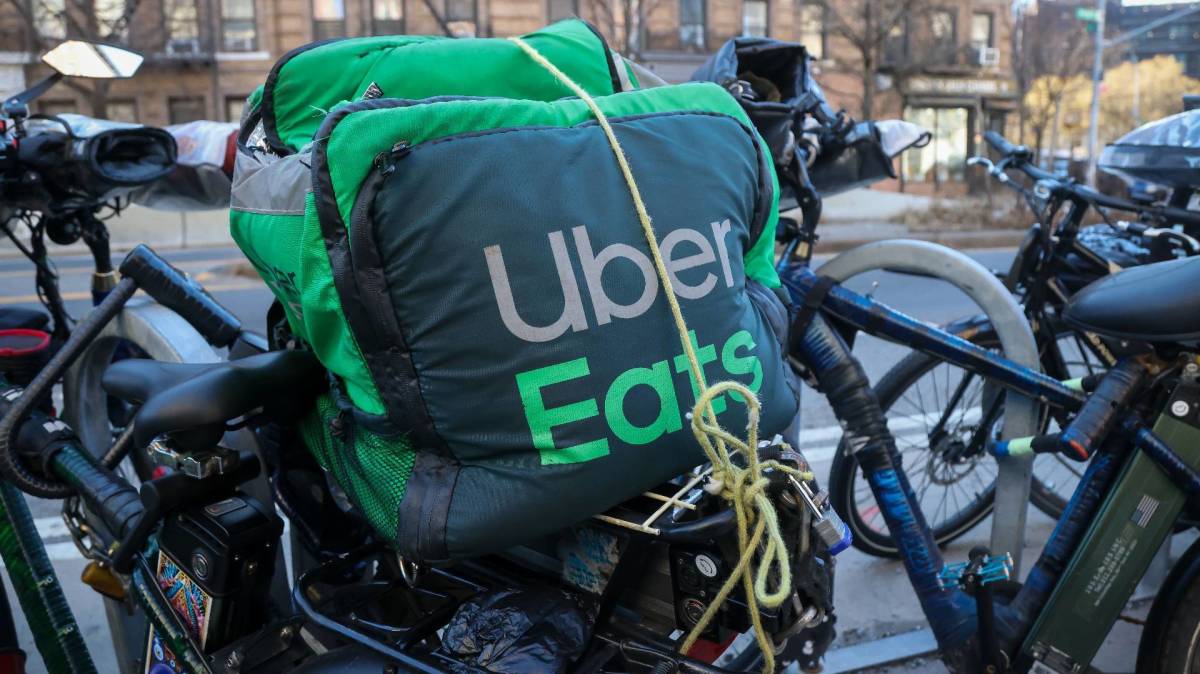 Uber Eats did not negotiate with partners.
Nagle/Getty Images
The math behind the decision
By ending the partnership, Solano said Rave avoided having to raise menu prices, which would have pushed customers away. He described the exit as having “successfully negotiated the rates down to zero,”.
He acknowledged the move will cost some volume. “We’re going to lose some volume as a result of this,” he said. “But at the end of the day, it’s volume that we make almost no money on.”
Franchisees were supportive of the decision. Solano also said he is in discussions about an exclusive deal with DoorDash, though that has not been finalized.
What Rave is focusing on instead:
- Dine-in traffic at Pizza Inn, driven by value offerings including an All You Can $8 buffet available Monday through Friday
- Direct ordering through its own website, which Solano said is up significantly
- Food quality improvements and service upgrades to drive customer returns
- Other ordering channels such as drive-thrus that add fewer costs for operators and customers
The broader warning for delivery platforms
Solano’s split with Uber Eats arrives at a difficult time for restaurant operators. Rising costs, tight margins, and ongoing restaurant closings have left many chains with little room to absorb fee increases.
“I think it’s a really bad time for Uber to be trying to raise their rates with all the restaurant closings going on,” he added.
His warning extends beyond his own company. Third-party delivery providers should be cautious about raising prices too quickly, he said, because operators can shift from one aggregator to another. With Uber Eats, DoorDash, Grubhub, and local players competing for restaurant business, the leverage is not entirely with the platforms.
“These guys are competing with one another, and they should be competing for our business,” Solano said. “Uber Eats, in particular, is damaging relationships with the restaurant community that they’re going to want back later.”
Rave’s financial position
Rave Restaurant Group posted its 23rd consecutive quarter of profitability in February, per Rave’s own earnings release. Pizza Inn reported comparable store sales rose 2.5% in fiscal Q2 2026, while Pie Five comparable sales fell 1.5%.
Solano said the company is focused on making sure its dine-in experience is strong enough to win back customers who might otherwise default to delivery.
“If delivery becomes prohibitive, they’re going to push folks to other options, some of which may be cooking at home or more convenient, frozen meals,” he said. “And I don’t think that’s where we want to go.”
Related: Popular restaurant chain closing all its locations in April