
Despite being one of America’s favorite dining choices, the pizza restaurant industry has faced economic challenges over the last year, forcing business owners to close or sell locations and, in some cases, file for bankruptcy.
The common financial issues blamed for distress include rising costs of operating driven by inflation, such as labor and food; fierce competition for the pizza business; and consumer reluctance to spend in uncertain times.
💵💰Don’t miss the move: Subscribe to TheStreet’s free daily newsletter💰💵
One of the biggest pizza chain bankruptcies over the last year was Pizza Hut franchisee EYM Pizza L.P., which at one time operated 142 Pizza Hut locations in Georgia, Illinois, Indiana, South Carolina, and Wisconsin. The franchisee filed for Chapter 11 bankruptcy protection in July 2024 and sold 77 of its restaurants at a bankruptcy auction.
Related: Las Vegas casino owner files for Chapter 11 bankruptcy
Another major pizza chain franchisee, People First Pizza Inc., which operated Domino’s Pizza locations on March 26, 2025, filed for Chapter 11 bankruptcy protection to reorganize its business, facing over $500,000 in disputed claims. The franchisee planned to continue operating.
While major chains have filed for bankruptcy protection, smaller local and regional pizza chains are also struggling to stay afloat.
Regional pizza chains file for bankruptcy
Rock and roll-themed pizza restaurant franchise Zeppe’s Tavern in Newbury, Ohio, filed for Chapter 11 bankruptcy on March 31, 2025, seeking to reorganize its business.
Zeppe’s Tavern & Pizzeria chain, established by Led Zeppelin fan Joe Ciresi in 1986, consists of 13 locations in Northeast Ohio and one in Naples, Fla., according to the restaurant’s website.
The founder combined his love of tasty food and rock and roll, featuring rock and roll videos and live music in the restaurants.
East Coast pizza chain Bertucci’s Restaurants filed for Chapter 11 protection three times in seven years, facing financial distress, with the first time in April 2018. It filed a second time in December 2022, when it operated 31 restaurants and had 15 restaurants when it filed a third time in April 2025.
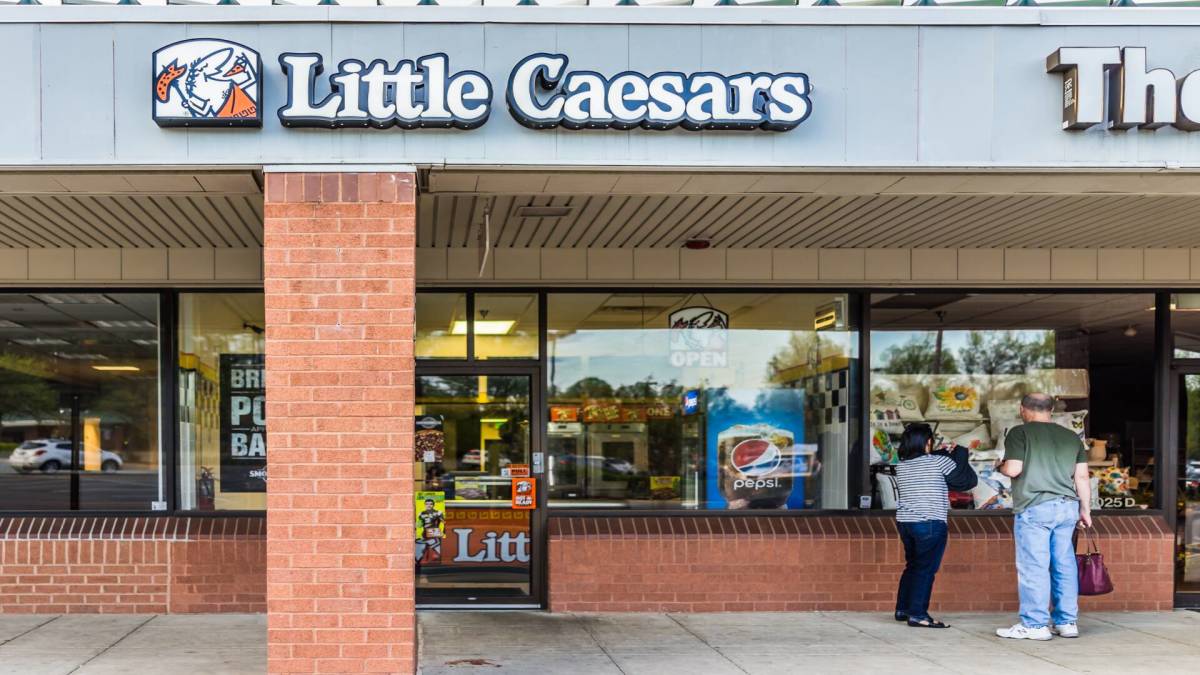 Little Caesars franchisee files for bankruptcy protection.
Shutterstock
Little Caesars franchisee files for bankruptcy
Finally, Little Caesars pizza franchisee Red Door Pizza LLC, which is owned by fast-food chain franchisee Red Door Brands LLC, filed for Chapter 11 bankruptcy protection along with three affiliates, seeking to restructure their businesses.
Related: Popular vodka and gin brand declares Chapter 11 bankruptcy
The Greenville, S.C.-based franchisee filed its petitions in the U.S. Bankruptcy Court for the District of South Carolina on July 15, listing $1 million to $10 million in assets and liabilities.
More bankruptcy
- Major iconic food brand files for Chapter 11 bankruptcy
- Popular Dairy Queen rival franchisee files Chapter 11 bankruptcy
- Popular vision care chain files for Chapter 11 bankruptcy
Red Door Brands affiliates, which also filed for bankruptcy protection, include franchisees Marverick Restaurant Group LLC, Red Door Sandwich LLC, and Matadoor Restaurant Group LLC, which is a Del Taco franchise operator.
Red Door Sandwich’s largest creditors include Sygma Network, owed over $60,000; Net Lease, owed over $52,000; and Divisions Inc., owed over $23,000.
Maverick’s largest creditors include ARG Resources, owed over $39,000; AFA Service Corp., owed over $37,000, and Douglas Vertical LLC, owed over $31,000.
Matadoor’s largest creditors include Jack in the Box, owed over $619,000; Jetz Foods, owed over $473,000; and Clay Gullatt, owed over $418,000
Red Door Brands operates a portfolio of two Little Caesars restaurants, three Arby’s locations, 22 Del Taco units, and five McAlister’s Deli restaurants located in Alabama, Florida, Georgia, North Carolina, and South Carolina.
Related: Giant healthcare company files Chapter 11 bankruptcy seeking sale