
Kentucky Fried Chicken (KFC) began as a humble chicken shop in a small town in Kentucky in 1930. Since then, it has grown into a globally known fried chicken restaurant chain with over 31,000 locations worldwide due to its authentic Kentucky-style fried chicken that tastes like Southern homemade comfort.
However, due to growing competition and an ever-evolving consumer market, KFC has undergone many recent changes in its branding to stay innovative and further attract the younger generations.
💰💸 Don’t miss the move: SIGN UP for TheStreet’s FREE Daily newsletter 💰💸
Late last year, KFC opened its first Saucy!, a new restaurant concept with a 360-degree rebranding that looks nothing like its original locations. This spinoff restaurant focuses on a broader sauce selection, its fan-favorite crispy chicken tenders and sandwiches, and new desserts. It also expanded its beverage menu with eleven new fun and fruity drink options.
Related: Popular pizza chain might soon be taken over amid troubles
KFC has stayed authentic to its roots for years by having its headquarters in Louisville, Kentucky, since 1997. However, a startling announcement would soon cause an even bigger shift in its brand’s identity.
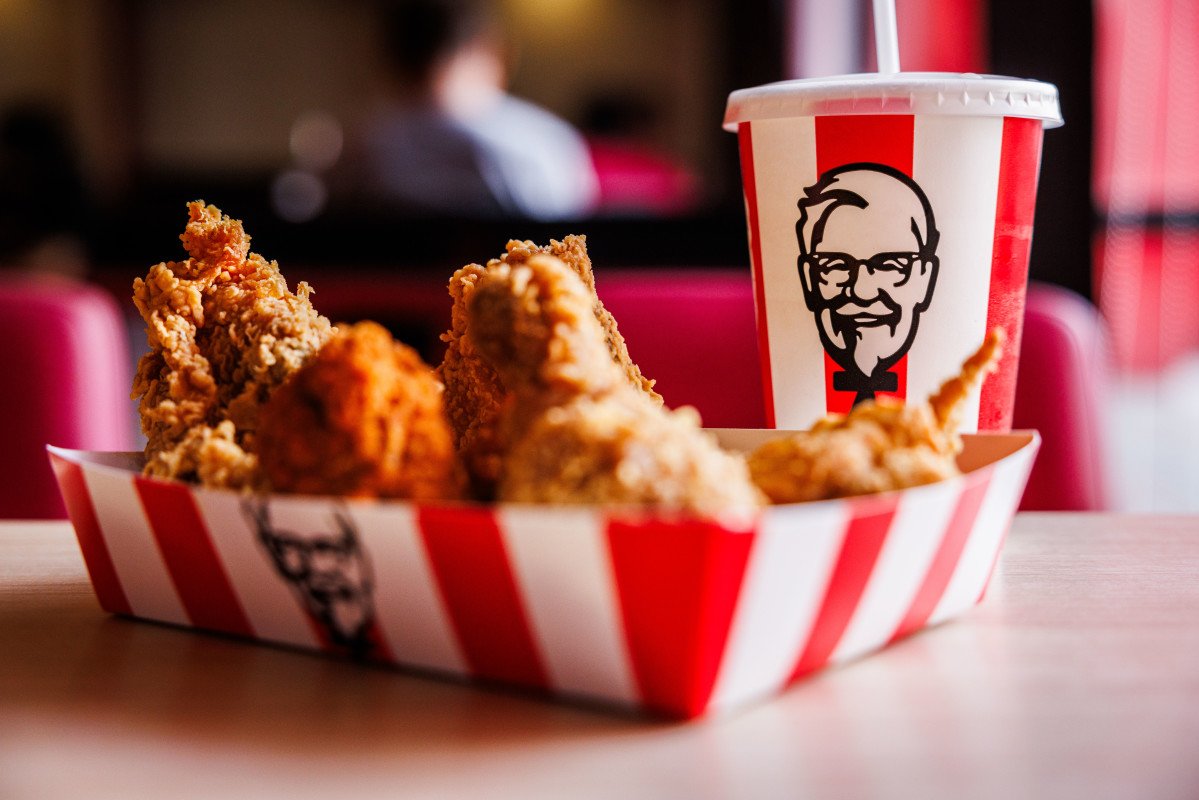
KFC is relocating its headquarters amid struggling sales
On Tuesday, KFC’s parent company, Yum! Brands announced that after nearly three decades, KFC’s U.S. corporate headquarters will relocate to Plano, Texas, a suburb near Dallas. Even though Texas is still a Southern state, this suburb is approximately 12 and a half hours away from the fried chicken chain’s hometown of Louisville.
This sudden move not only relocates the KFC headquarters but also forces its on-site corporate team, which includes 100 people, to leave the place they have called home since joining the company’s fried chicken sector.
With many companies returning to fully in-office, KFC has added itself to the list. It expects an additional 90 remote workers to relocate within the next 18 months so they can begin working on-site as well.
Related: Starbucks makes big change bespoke coffee lovers will hate
Yum! Brands (YUM) is not only the parent company of KFC, it also owns Taco Bell, Pizza Hut, and Habit Burger & Grill. However, despite owning three other brands, KFC was one of the chosen ones for this relocation, but it’s not alone since another sister brand will also join.
As the company states, this relocation is part of its broader business plan to have two U.S. headquarters for all four restaurants. KFC and Pizza Hut will share headquarters in Plano, Texas, while Taco Bell and Habit Burger will keep their headquarters in Irvine, California.
The relocation could be a strategic business move by Yum! Brands to reduce costs
In the announcement, Yum! Brands said the decision to relocate was made to “foster greater collaboration among brands and employees” since KFC and Pizza Hut will now work in the same headquarters.
However, its latest earnings report gave insight into another possible reason why these two brands were chosen for the relocation.
As reported by Yum! Brands in its fourth-quarter earnings for fiscal 2024, KFC and Pizza Hut were the company’s least profitable brands in the quarter, with KFC’s U.S. system sales down by 6% and Pizza Hut’s up by 3% compared to the same time last year.
Taco Bell and Habit Burger were the company’s most lucrative brands despite Habit Burger having the fewest locations out of the four. Taco Bell’s U.S. system sales increased by 14%, and Habit Burger’s increased by 10%.
In the previous quarter, Yum! Brands attributed its 2% same-store sales decline to KFC and Pizza Hut’s lackluster performance.
More Retail News:
- Nike enlists controversial new partner to save troubled business
- Nespresso partners with vegan alternative amid milk inflation
- Popeyes makes major changes to its stores amid weaker growth
The move of such a prominent corporate office from Kentucky to Texas could have been a strategic move by the company to reduce the costs of two brands that have been lacking over the last few quarters.
According to the Tax Foundation, Kentuky’s state corporate tax is 6.5%. On the other hand, Texas is among the four states that impose gross receipt taxes instead of corporate income taxes.
Related: Veteran fund manager issues dire S&P 500 warning for 2025