
With Croatia continuing to experience a post-pandemic travel boon in which each year brings more tourists than the previous one, airlines and cruise companies have also been responding in turn with flights to more destinations.
In the spring of 2026, Delta Air Lines will start running a new flight between Newark Liberty and the Croatian city of Split — roughly a five-hour drive from the capital of Zagreb, Split is the main gateway for travelers coming in to explore the Adriatic Coast and has been seeing one of the country’s steepest spikes in tourist numbers.
In 2025, Split saw a new record of 21 million overnight stays from both Europeans and those coming in from farther-away countries.
Split to introduce strict new hours limiting alcohol sales
While tourism is one of the primary drivers of the Croatian economy, certain centuries-old cities never designed to accommodate millions of people are struggling with the side effects of growing visitor numbers.
Last year, the seaport of Dubrovnik implemented a strict cap on taxis and tourist buses that can drive into the historic old city during peak hours after nearly five million people came down to a city that is home to a permanent population of just 42,000 permanent residents.
Related: European town popularized by ‘Game of Thrones’ weighing tourist restrictions
Split is now the latest city to introduce new rules that will affect visitors to the city among which are hundreds of thousands of Americans each year. Put in place for several areas of the city seeing the highest numbers of tourists, the new restrictions voted in by the city’s council will expand the ban on the sale of alcohol between 8 p.m. and 6 a.m.
The blanket ban will affect local liquor stores but also supermarkets, grocery stores and any other shop that sells alcohol. The expanded rules come into effect in September 2026 and were designed to address the wave of drunken behavior that the city has started to see in connection with growing tourist numbers.
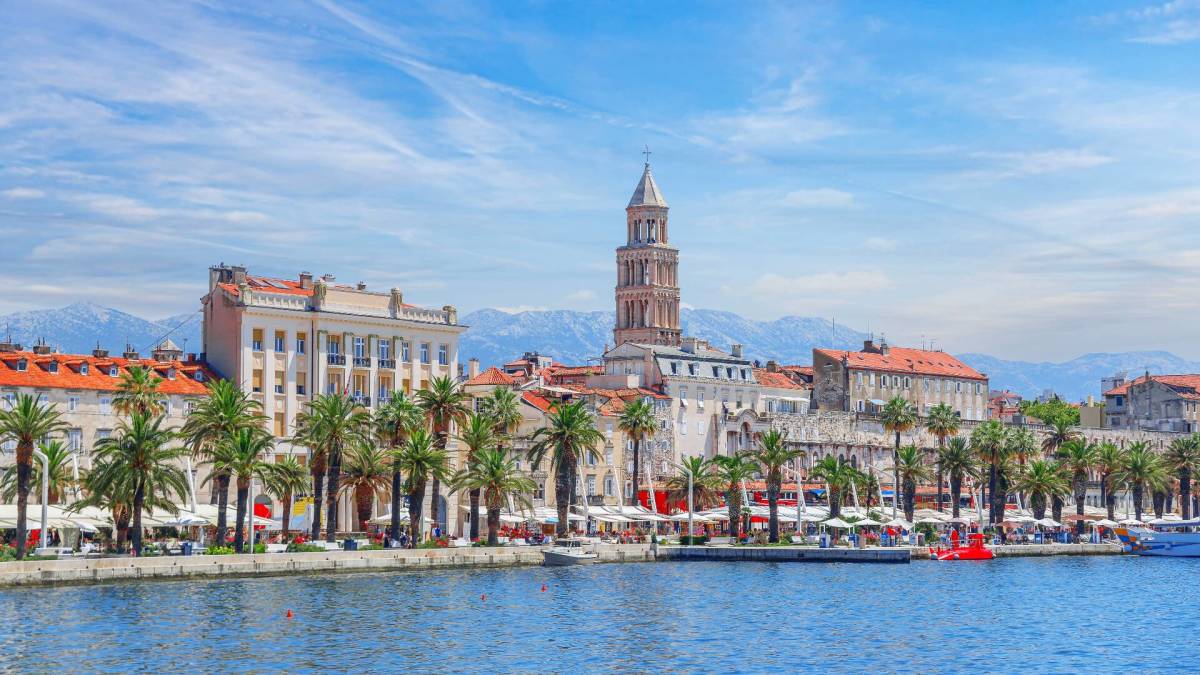 Split is the second-largest city in Croatia and gateway to the Adriatic Coast.
Shutterstock
“The possibility of such rules being extended to other parts of Split is not excluded”: Split Mayor
“This is where situations arise that disrupt the safety and quality of life of residents, and the possibility of such rules being extended to other parts of Split is not excluded,” Split Mayor Tomislav Šuta said at a press conference announcing the changes.
The changes are meant to show local lawmakers whether a permanent ban or extension to more parts of the city is worth putting into place.
Travel news:
- Airline to launch unusual new flight to Cayman Islands from the U.S.
- United Airlines CEO gives stark warning on Olympic Games
- Unexpected country is most luxurious travel destination for 2026
- US government issues sudden warning on Switzerland travel
The change has been welcomed even by travel agencies and local industry heads who previously worked to promote Split as a party and nightclub destination — as the number of tourists grew, the problems that arose with high numbers of partiers have led to a number of complaints and political pressure from locals.
“In previous years, Split may have leaned into a ‘party destination’ image, sometimes encouraging partying among visitors,” VIP Holiday Booker CEO Darijo Šarić said to local press. “However, Croatian tourism is now actively rebranding to move away from that reputation, focusing instead on our rich cultural heritage, natural beauty, and family-friendly environment.”
Related: Another popular holiday destination mulls tourist ban