
Higher health insurance costs may reach workers through more than their premiums.
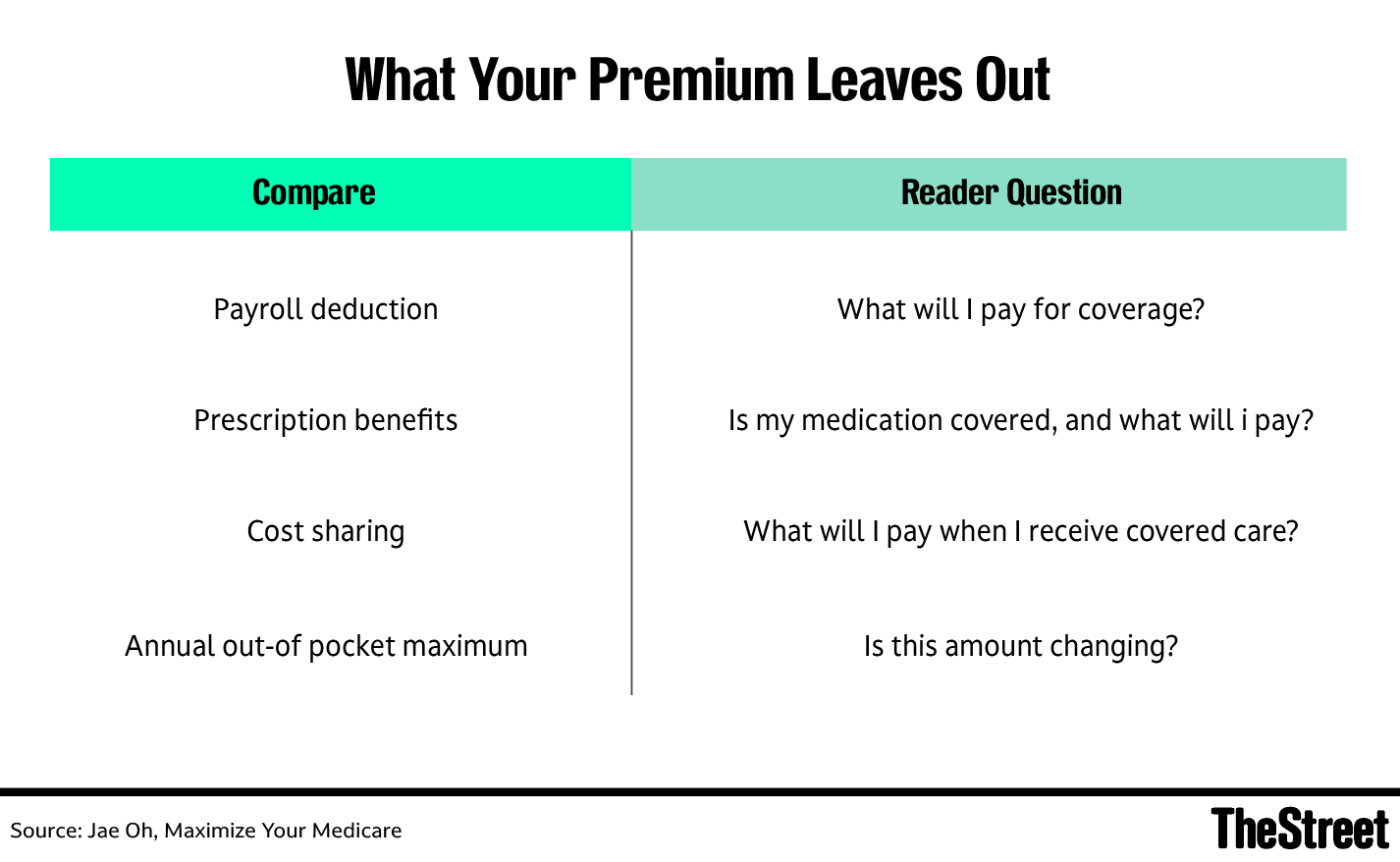
In an interview with me, Jae Oh, CFP, author of Maximize Your Medicare, said employees should also examine prescription coverage, cost sharing and annual out-of-pocket maximums when comparing their options for 2027.
For people buying coverage through the Affordable Care Act marketplace, Oh said projected income and the availability of acceptable plans deserve close attention. His central recommendation: Review the details before making a choice, particularly when health coverage represents a substantial household expense.
Below is a transcript of the interview with Oh, edited for brevity and clarity.
How could employer health coverage cost more in 2027?
Bob Powell, CFP, RMA: I’ve seen estimates of premium increases of 7% to 9%. Is that in line with what you’re expecting, or could it be higher?
Jae Oh, CFP: I think 7% sounds, if anything, a little conservative. It could be notably higher.
Employees may not feel it as much in the sticker price, meaning the size of the payroll deductions they encounter. However, people who use their health insurance could see their out-of-pocket costs change. Their annual out-of-pocket maximums could be higher.
The coverage could weaken for the same dollar. That’s the same thing, in effect, as a higher price.
Powell: What is driving the increase in employer-sponsored coverage costs?
Oh: Employer-sponsored plans are going to be more expensive, and employers have difficult choices. We’ve had high utilization of GLP-1 medications, for example, and that will increase the price.
The carriers have had to bear that cost in 2026. They now have a new benchmark for behavior going into 2027 and have created new premiums based on that.
Then employers have to make difficult choices. I think you can expect fewer GLP-1 medications covered, for example, or lower coverage for those medications.
People will want to check their specific medication and what their cost-sharing responsibility will be under their employer-sponsored plan next year.
The coverage could weaken for the same dollar. That’s the same thing, in effect, as a higher price.”
Powell: Are labor and operational costs also factors?
Oh: There’s no doubt that the underlying cost of health care delivery in the United States is high. Health care cost inflation has been outpacing overall inflation.
This is not a new dynamic. We’ve experienced it over the past decade. Some of that is coming into more focus as a result of the dynamics we’ve discussed.
What should workers compare during open enrollment?
Powell: Open enrollment is about to begin for many workers. What advice do you have?
Oh: People who work for employers with multiple choices, meaning a menu rather than a single plan, should look very carefully.
We’ve been advocating health savings accounts, or HSAs, to the degree possible, particularly if there’s an employer match. You can use your HSA dollars toward the out-of-pocket costs we’ve discussed.
“The coverage could weaken for the same dollar. That’s the same thing, in effect, as a higher price.”
Powell: Comparing plans is important to selecting the one that might be best for you, based on costs and services?
Oh: That depends on the employer. Employers aren’t necessarily required to offer a full suite of plans.
But if those choices are available at your employer, comparison shopping is always in order.
What changes does Oh expect in ACA coverage?
Powell: What changes do you expect in the ACA, or individual, market?
Oh: I would expect a fair amount of turmoil. We’ve already had large carriers exit certain markets entirely. That occurred in 2026, and exits have been announced for 2027.
Existing policyholders will receive letters saying the carrier is no longer offering health insurance in a particular market.
In addition, I expect a notable increase in the sticker price, meaning the premium. There are a number of factors, with increasing health care costs being the dominant one.
How could projected income affect ACA coverage costs?
Powell: This is an intersection between health and money. People need to be aware of their modified adjusted gross income because it could affect their subsidies. What do they need to know?
Oh: I’ve written a paper for LIMRA about exactly this intersection.
The impact doesn’t increase gradually; it increases as a cliff. People who have the ability and flexibility to plan their modified adjusted gross income, which is a specific variation of income, would be well advised to think that through.
There’s still time to make planning adjustments, if that applies to you.
Powell: My understanding is that, for 2027, the premium will be based on projected modified adjusted gross income. Is that correct?
Oh: That is right. It leaves leeway for people with the planning flexibility and foresight to understand how it works.
The numbers can be so big that they dominate the financial outlook for the next year.
Powell: Given the complexity, it seems to me this requires the help of a competent professional to work through the numbers.
Oh: It was worthy enough for me to write this paper.
If I told you that your after-tax expenses could change by tens of thousands of dollars a year due to extra diligence or a lack of diligence, that seems like energy well spent.
At least check whether those planning adjustments can be made.
What could limit your health insurance choices?
Powell: What bears reemphasizing?
Oh: This is very detail-oriented. Even my comments today will vary greatly depending on your particular situation, including your health.
A planning adjustment might be in order. That said, depending on your location, you may be constrained by a lack of acceptable plans.
All else being equal, considering what we’ve discussed seems like a good idea.
Related: Retirees may be ignoring a Medicare blind spot before 2027
