
One by one, retail stores are disappearing faster than they are opening, leading some to wonder if we are getting closer to the demise of brick-and-mortar shopping.
The rise of e-commerce platforms has revolutionized consumer behavior, offering more convenient ways to access nearly any product without the need to enter a physical store.
💵💰 Don’t miss the move: Subscribe to TheStreet’s free daily newsletter 💵💰
However, this doesn’t mean consumers are shopping the same brands they used to.
Economic uncertainty and inflation have caused a shift in consumer spending, creating a higher demand for more affordable and vast options in one place. Hence, e-tail giants like Amazon (AMZN) , Alibaba (BABAF) , and eBay (EBAY) have dominated the market worldwide, with Shein and Temu close behind.
Related: Macy’s mass store closing plan could have unexpected benefits
This has inevitably taken away market share from historic retailers such as Macy’s (M) , JCPenney (JCP) , and Kohl’s (KSS) , all of which have announced mass store closures nationwide.
Meanwhile, iconic retailers like Party City (PRTY) , Joann (JOAN) , and Forever 21 have filed for Chapter 11 bankruptcy after putting up a long fight to survive.
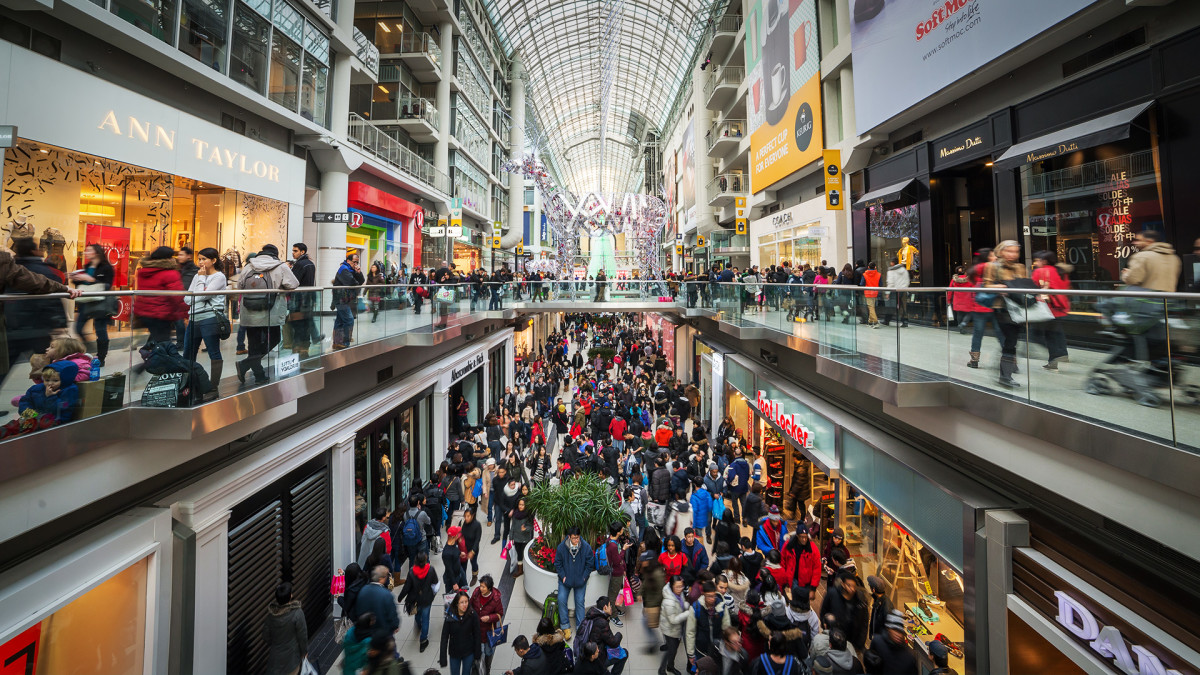 Retail store closures continue increasing.
Image Source: Shutterstock
Retailers are closing stores at record speed
Despite the rise of e-commerce, many consumers still prefer traditional brick-and-mortar shopping over online platforms. This could be due to older generations being less tech-savvy or because younger generations don’t want to return unwanted items by mail.
Still, e-commerce has grown immensely and is expected to account for nearly 35% of all retail sales by the end of 2025, according to Metrobi.
This shift is beginning to affect brick-and-mortar shops, creating a wide discrepancy between store closures and openings.
Related: Formerly bankrupt retail chain cuts genius deal, becomes mall king
Retailers across multiple sectors have announced 67% more store closures in 2025 compared to last year, according to CoreSight Research.
As of July 4 of this year, 5,942 closures and 4,176 new openings have been reported, with 119 stores shutting down nationwide within the first week of July alone.
Last year, 3,496 closures occurred during the same period, highlighting a troublesome retail trend with no signs of slowing.
Malls suffer the consequences of mass store shutdowns
The acceleration in store closures might explain why malls are becoming a dying business, and the same goes for their staple retail chains.
These brands have planted themselves at almost every local mall for what seems like forever, becoming essential to the shopping experience. But now, many are struggling with rising rent prices and declining foot traffic.
More Retail News;
- Retail chain announces more store closures after U.S. bankruptcy
- Major bankrupt home retailer closing 26 stores, list revealed
- Piggly Wiggly owner closing more supermarket locations
Due to the prime real estate lying under these huge constructions, thousands of malls face being completely demolished or repurposed into new developments that bring greater profit and better align with today’s consumer habits.
There are around 1,200 malls across the U.S. as of April 2025, but by 2028, only about 900 are expected to remain standing, with 87% of large shopping malls projected to shut down within the next decade, according to Capital One Research.
Related: Veteran fund manager unveils eye-popping S&P 500 forecast