
Last year was a challenging one for vehicle quality control.
More than 30 million vehicles in the U.S. were recalled in 2025 due to nearly 1,000 separate vehicle and equipment issues that posed safety risks, according to AutoInsurance.com, almost double the just more than 16 million that were sold last year.
That lack of quality control has seeped into the early part of 2026, as over 23,000 vehicles were recalled in just the first two weeks of the year.
Ford was the biggest offender last year, issuing nearly 140 recalls and easily breaking GM‘s 2014 record of 78. Ford accounted for 35% of U.S. auto recalls the previous year, according to the National Highway Traffic Administration.
Stellantis, in second place for number of recalls, accounted for only 12%.
Meanwhile, Swedish-made, Chinese-owned Volvo is issuing its second major recall of the year after revealing it needs to fix more than 400,000 vehicles with potentially faulty rearview cameras that would not turn on when the car was in reverse.
While the recall was for a relatively benign issue, which Volvo said affected 100% of the vehicles it recalled, this week’s recall involves a much more serious issue that could be deadly for drivers.
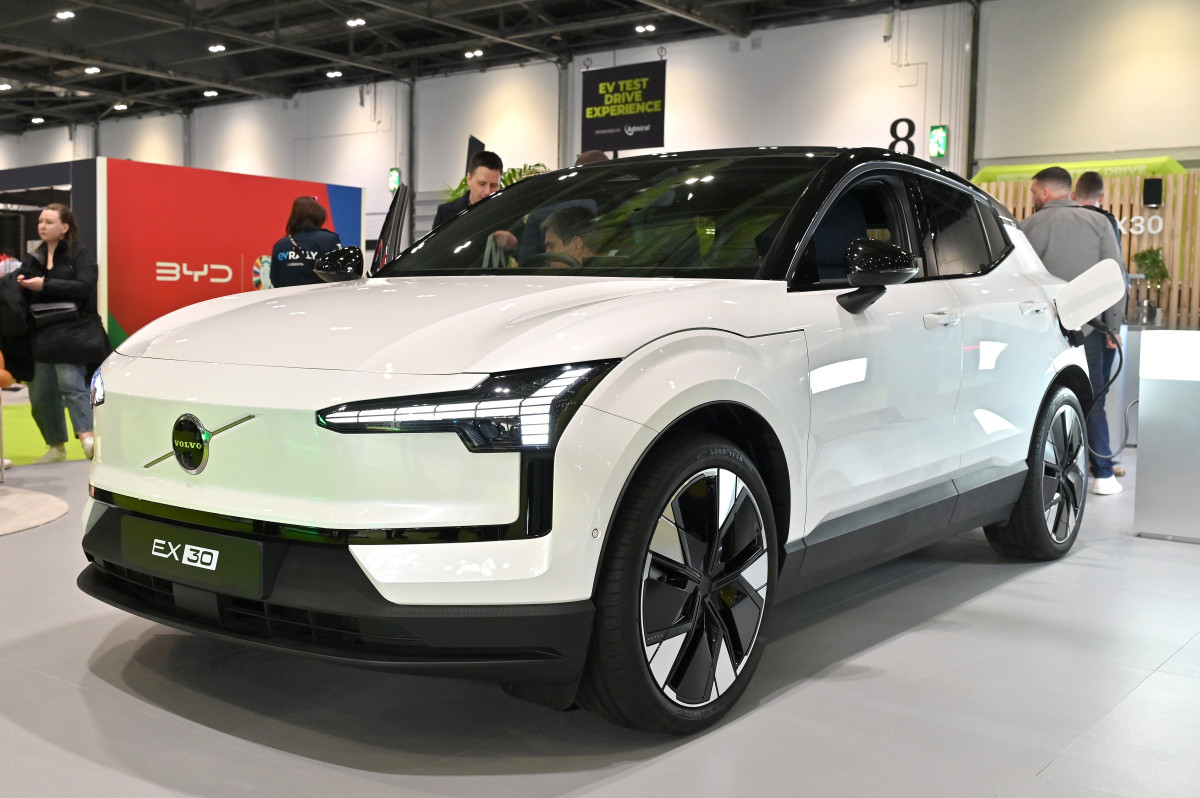 Volvo has issued its second major recall of 2026.
Photo by John Keeble on Getty Images
Volvo issues recall for EV SUV battery fire risk
The EX30, Volvo’s EV mothership, has a potentially dangerous defect that could cause its battery packs to overheat and catch fire.
Volvo consistently ranks among the global leaders in vehicle safety, and it takes its safety reputation seriously. So Reuters had to dig for this previously unreported recall.
Related: Honda forced into another recall over potentially dangerous issue
Volvo said it is now “contacting the owners of all affected cars to advise them of the next steps” and that it will replace affected battery modules free of charge. In the meantime, Volvo urges owners to limit charging to 70% to eliminate the fire risk.
Volvo has been giving this advice to owners in the U.S., Australia, Brazil and a dozen other countries, according to the company’s regulatory filings, and it is also advising EX30 owners to park a distance away from buildings.
Beyond the reputational harm bound to result from this recall, Volvo could pay up to $195 million, excluding logistics and repair costs, to fix the issue, according to Reuters.
Two affected EX30 owners who talked to the news service said they wanted to return their vehicles. A British man said he bought the Volvo because of its safety reputation, but the company is “producing a car that is dangerous.”
Another man from New Zealand reported that he is facing much higher costs because the charging cap cut into the car’s range, forcing him to fill up more often.
Volvo cut 3,000 jobs last year
Tariffs from 2025 have taken a significant toll on automakers, especially foreign ones.
Last year, Volvo, which imports most of its U.S. vehicles from Europe and China, said customers would have to pay a large share of tariff-related costs. It added that threats of a 50% tariff would make it impossible to sell the Belgium-made EX30 EV in the U.S., according to Reuters.
Volvo also scrapped its guidance amid tariff costs. Still, its most significant move last year was sharing plans to lay off 3,000 white-collar workers, representing about 15% of its total office-based global workforce, to cut SEK 18 billion (about $1.88 billion) in costs.
The layoffs included about 1,000 consultant positions and around 1,200 office-based positions, mainly in Sweden, with the remainder in other countries.
“The actions announced today have been difficult decisions, but they are important steps as we build a stronger and even more resilient Volvo Cars,” stated CEO Håkan Samuelsson.
“The automotive industry is in the middle of a challenging period. To address this, we must improve our cash flow generation and structurally lower our costs. At the same time, we will continue to ensure the development of the talent we need for our ambitious future.”