
We all have that drawer.
The one crammed with tiny shampoo bottles, lotion tubes, hotel-branded soaps, and maybe even the occasional sewing kit. You probably never intended to hoard them, but somehow, over the years, they’ve multiplied like gremlins.
They’re nostalgic. Convenient. And oddly satisfying to organize.
They also feel like a small reward…a little “thank you” from the hotel for choosing them.
Related: FedEx’s cost-cutting could impact package delivery
And if you travel often, they’re a low-effort life hack. Stash a few in your carry-on or gym bag and you’re good to go.
But that drawer might be a time capsule soon.
Because just as we’ve collectively grown attached to those perfect travel-size perks (and maybe even gotten a little entitled about them), some of them are quietly on the chopping block.
Hotels aren’t the only ones making changes, either. From restaurant packaging to cocktail picks, a quiet wave of regulation is reshaping how you eat, drink, and stay on the go.
And depending on where you live or where you’re traveling, you may be in for a surprise starting this month.
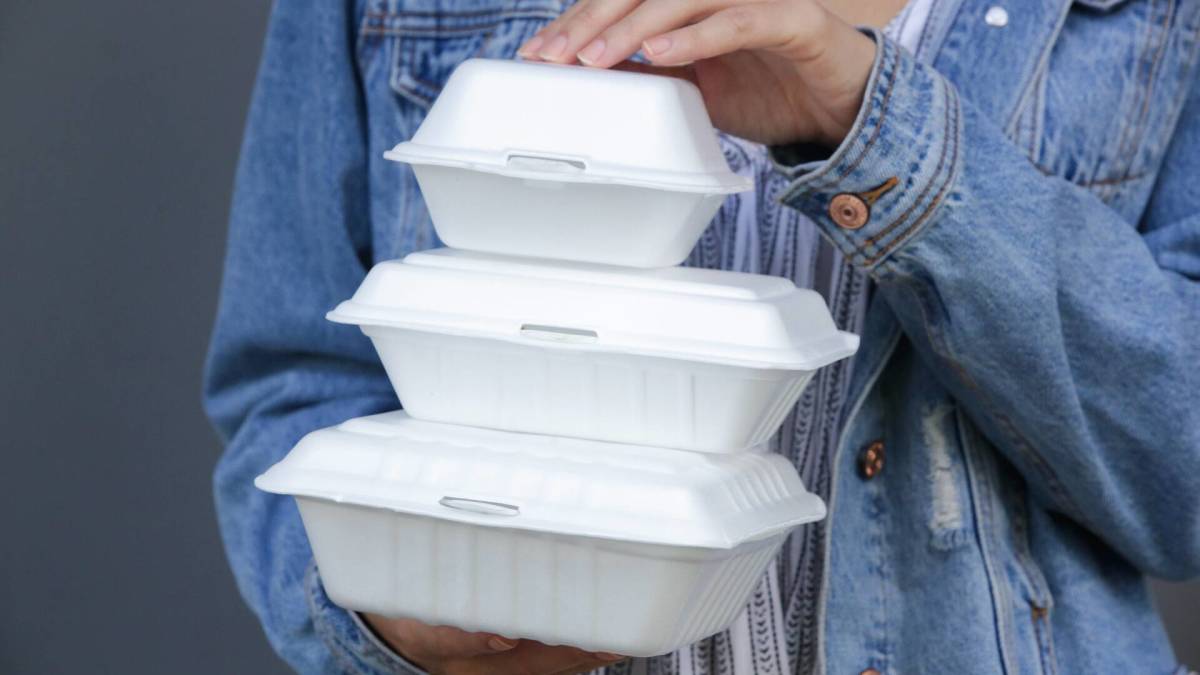 July brings sweeping changes to food and hotel packaging.
Image source: Shutterstock
Plastic bans roll out across hotels, restaurants, and more
July 1 marked a major milestone for packaging laws across several U.S. states.
In Illinois, hotels with 50 or more rooms can no longer offer personal care products in small, single-use plastic bottles—think those mini shampoos, conditioners, and lotions.
State agencies are also being pushed to reduce their use of single-use plastics altogether.
Meanwhile, Virginia officially began phasing in a ban on polystyrene (foam) containers. The initial law was passed in 2021 but had been delayed.
Related: As shoppers ditch Shein and Temu, these stores are winning
Now, restaurants and grocery stores with 20+ locations in Virginia, along with public schools, are expected to stop using foam trays and takeout boxes. The law will expand to all food vendors statewide next year.
Delaware also implemented a similar ban on foam containers for food and drinks. It even extends to plastic stirrers and sandwich picks in restaurants.
And in Oregon, canned wine drinkers will now be able to return those aluminum containers under an expanded bottle bill.
These are just a few of the new laws quietly taking effect. Many are part of broader “extended producer responsibility” initiatives, shifting packaging waste costs from consumers to the companies that create it.
Plastic ban impact: what it means for you and big brands
Individually, a shampoo bottle or foam clamshell might not seem like much. But these small changes add up, both for consumers and businesses.
If you’re a traveler, the days of relying on hotel minis could be fading. Expect to see more wall-mounted dispensers or bring-your-own product scenarios at larger hotels.
Restaurant-goers might notice shifts too: lighter or compostable to-go boxes, no more plastic stirrers in your iced coffee, and potentially fewer freebies in fast-casual or school meal settings.
Behind the scenes, brands are adapting. Packaging suppliers and manufacturers are under pressure to innovate, fast.
More on retail:
- Nike’s latest announcement has fans scratching their heads
- Your next Lululemon top may be made from old clothes
- Heinz announces a genius new product fans will love
And producers in states like Colorado, Oregon, and Minnesota are facing new registration and reporting deadlines under the extended producer responsibility laws.
These policies are designed to make companies financially responsible for the packaging waste they generate.
It’s a shift that will ripple through supply chains and eventually affect consumer pricing.
So while the average hotel guest may just miss the satisfaction of snagging a tiny conditioner bottle, businesses are navigating a much bigger transformation behind the scenes.
What looks like a quiet drawer cleanout could actually mark the beginning of something much louder.
Related: Forget Iams, dog owners have new affordable real meat option