
With most countries having some sort of system to warn citizens about the safety or danger of traveling to foreign nations, the one that is most commonly used ranks locations according to four tiers.
The U.S. State Department uses level one or “exercise normal precautions” to indicate that a given destination is just as safe or even safer to visit than home, while level four’s “avoid all travel” is assigned to a small number of countries actively at war or lacking diplomatic ties with the United States.
The latter list includes Russia, North Korea, Libya, South Sudan, Iraq, and Iran, among a number of others.
Don’t miss the move: Subscribe to TheStreet’s free daily newsletter
‘Typhoons can strike any region of the country and be extremely dangerous’
Japan, which according to local government data is projected to receive over 40 million international visitors in 2025, is well-known for both its safety and extremely advanced infrastructure — its city and high-speed train systems, in particular, are something that many parts of the U.S. can only dream of.
While the country continues to hold the lowest possible travel advisory level both in the U.S. and for other Western countries such as Canada and the United Kingdom, its location off the side of the Asian continent in the Pacific Ocean puts Japan at risk of certain natural disasters.
As a result, several countries have updated their advisories to remind travelers of typhoon season and earthquake risk.
Related: Another country is getting ready to launch a visa for digital nomads
On July 15, a typhoon given the name Nari made landfall on the Hokkaido island and brought strong winds of 80 kilometers (approximately 50 miles) per hour. A later typhoon hit the remote Ogasawara islands.
“Multiple typhoons typically strike Japan each year,” the U.S. Embassy in Japan wrote in a July 22 advisory. “Typhoons can strike any region of the country and can be extremely serious. U.S. citizens in Japan should carefully track typhoons that may impact their area and should follow all local government emergency guidance.”
Canada has put a similar guidance in place to state that typhoon season typically lasts between June and October – meaning that summer travelers to Japan are hitting the period when these storms is most likely. Typhoons can range from small to massive tropical storms that can destroy infrastructure or prompt evacuation orders.
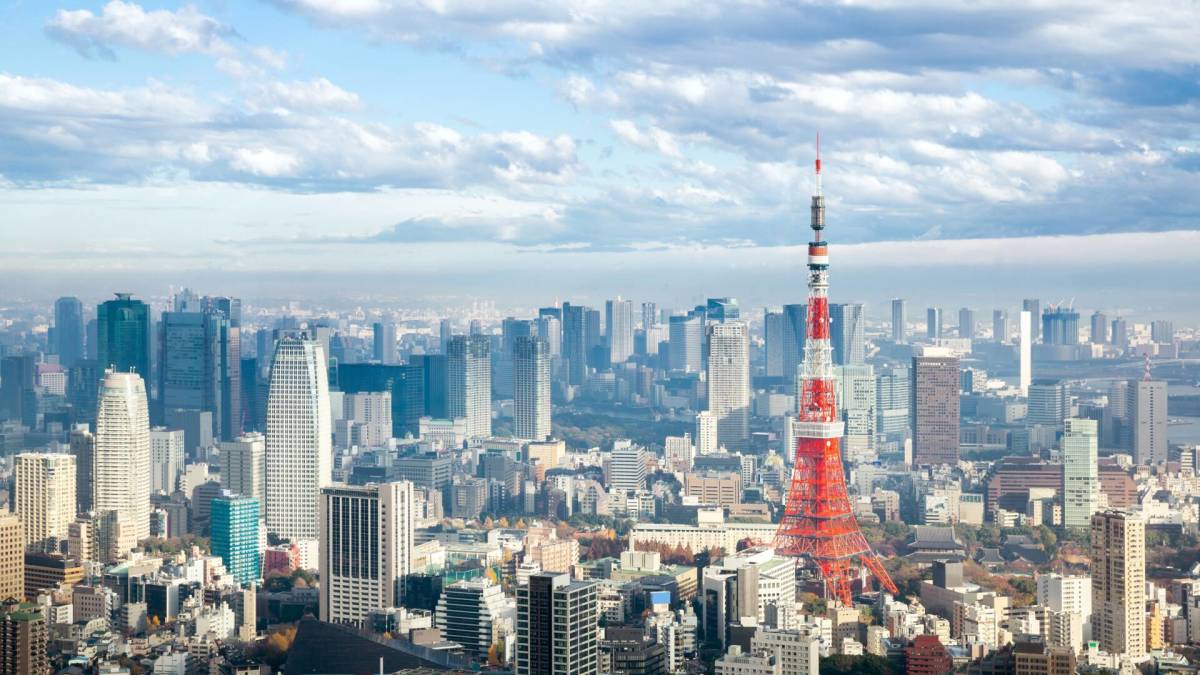 Japan is prone to natural disasters due to its location in an active seismic zone.
Image source: Shutterstock
Japan is ‘prone to a multitude of natural disasters,’ Canadian government warns
“Japan is located in an active seismic zone and is prone to a multitude of natural disasters such as earthquakes, tsunamis, flooding, volcanic eruptions,” the Canadian government writes on its travel page for Japan. “[…] Each year, Japan experiences thousands of earthquakes of varying magnitudes, some triggering tsunamis. Deaths, injuries, and significant damage may occur.”
More on travel:
- United Airlines places big bet on new flights to trendy destination
- Government issues new travel advisory on popular beach destination
- Another country just issued a new visa requirement for visitors
On July 29, the United Kingdom also made several tweaks to its Japan travel advisory to draw attention to coastal areas as well as Okinawa and the surrounding islands. It reminded travelers to familiarize themselves with evacuation routes established in these places by local and national authorities.
“No travel can be guaranteed safe,” the British Foreign Ministry wrote. “[…] If you choose to travel, research your destinations and get appropriate travel insurance.”
Related: US government issues sudden warning about Thailand travel