
Gas prices in 2026 have climbed to near-record levels, driven largely by geopolitical instability in the Middle East, a critical region to global oil production and transportation. War with Iran and tension in the region have disrupted key maritime routes that carry a significant portion of the world’s oil supply.
These disruptions have pushed oil prices higher, increasing fuel costs worldwide and putting pressure on transportation-dependent industries.
Major logistics providers, including the U.S. Postal Service (USPS), FedEx, United Parcel Service (UPS), and DHL, are now facing higher operating costs across their air and ground delivery networks.
Fuel is one of the largest variable expenses for carriers, typically accounting for up to 40% of total operating expenses, according to Motive. This means that even small increases in oil prices can significantly impact overall transportation costs.
In response, private carriers have introduced or expanded fuel surcharges, passing a portion of the burden onto consumers. Shipping prices have consequently risen across the industry in recent months.
USPS, one of the most affordable delivery options, is now seeking to raise prices as well, or it may run out of money and cease service.
USPS requests price increases
On March 25, USPS filed a request with the Postal Regulatory Commission (PRC), seeking an 8% temporary price increase. The agency says the adjustment is necessary to better align pricing with rising transportation and fuel costs.
“This temporary price adjustment will provide needed flexibility for the Postal Service by helping to ensure that the actual costs of doing business are covered, as required by Congress,” said USPS in its filing.
If approved, the price increase would take effect on April 26, 2026, and remain in place through January 17, 2027.
Shipping services affected include:
- Priority Mail Express
- Priority Mail
- USPS Ground Advantage
- Parcel Select
USPS noted that, even with the proposed 8% increase, its rates would remain much lower than those of many competitors, as the adjustments represent less than one-third of what some carriers charge in fuel surcharges alone.
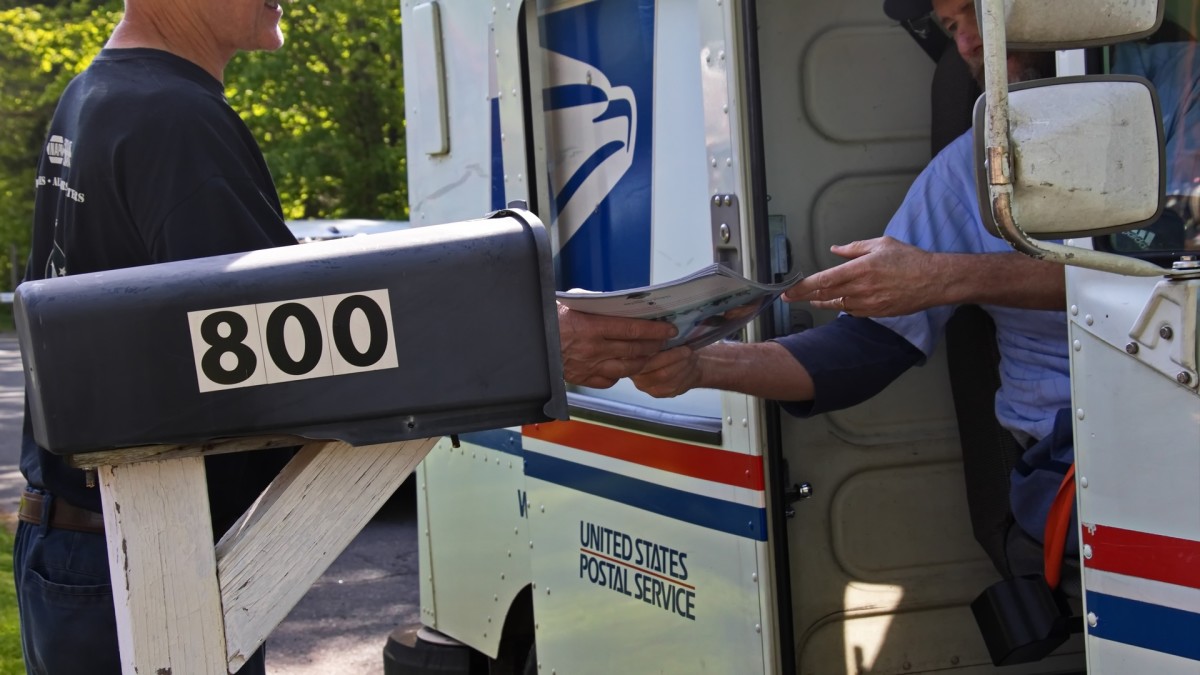 USPS proposes an 8% temporary price increase for 2026.
Competitors have already raised prices
USPS emphasized that its competitors have already taken action to offset rising fuel costs.
Recent surcharges from competitors
- FedEx: Introduced a per-pound demand surcharge on shipments between the U.S. and the Middle East, South Asia, and Africa in March 2026, with fuel surcharges updated weekly, according to the FedEx website.
- UPS: Implemented a per-pound surge fee for shipments between the U.S. and the Middle East in March 2026, with fuel surcharges updated weekly according to the UPS website.
- DHL: Enacted a 5.9% general average price increase for U.S. Express shipments beginning January 1, 2026, with fuel surcharges updated monthly, according to the DHL website.
These pricing strategies are consistent with broader industry practices, in which carriers regularly adjust surcharges in response to fluctuations in fuel costs.
USPS warns of financial risk
The pricing request follows a warning from Postmaster General David Steiner, who told Congress in a written statement on March 17 that USPS will run out of cash within 12 months unless lawmakers lift a decades-old cap and allow the agency to borrow more money.
“I am not sure that the American public is aware that the Postal Service is at a critical juncture,” said Steiner. “At our current run rate and if we continue to pay our required obligations in the same manner as we have done in recent years, then we will be out of cash in less than 12 months.”
He pointed to long-term declines in mail volume as a driver of revenue loss, claiming that a comparable drop would be unsustainable for private carriers.
USPS financial results highlight ongoing challenges
USPS’ latest earnings report underscores these concerns.
In the first quarter of fiscal 2026:
- Revenue: Declined 1.2% year over year
- Controllable income: Fell by $618 million to $350 million
- Net loss: Increased by nearly $1.4 billion
The agency cited declining volumes across its First-Class Mail, Shipping and Packages, and Marketing Mail as primary contributors, partially offset by prior price increases.
Meanwhile, total operating expenses rose 4.6%, compared to the same period last year.
“We continue to face difficult systemic financial and business model headwinds,” said Steiner in an earnings statement. “We are convinced that these efforts, if combined with needed regulatory, administrative, and legislative changes, can meet the needs of the American public and return the Postal Service to long-term financial stability and strength.”
USPS’ previous price adjustments
This is not the first time USPS has requested price raises in recent years.
During the 2025 holiday season, the agency implemented temporary increases ranging from $0.30 to $16, which remained in place from October 5, 2025, through January 18, 2026.
Although USPS initially said it would delay further hikes until mid-2026, it introduced another round of price adjustments in January 2026 as part of its broader 10-year transformation plan aimed at restoring long-term financial sustainability.
Why it matters
USPS delivers mail and packages to more than 170 million addresses nationwide, six to seven days per week, yet it receives no taxpayer funding for its operations. Instead, it relies entirely on customer revenue, leaving pricing as one of the few tools to manage rising costs.
However, Industry analysts warn that frequent or large rate hikes could further reduce mail volume, potentially worsening the agency’s financial position.
“If rate increases proceed at the current frequency and magnitude without critical review, they risk plummeting volume further and exacerbating USPS’ financial challenges,” said NDP Analytics in its 2024 Critique of USPS Elasticities report.
More retail business coverage:
- 48-year-old nostalgic mall retailer will close 25 stores in 2026
- Shein invests $42 million as Amazon’s growth raises the stakes
- Amazon CEO warns shoppers of major changes ahead
Mailers Hub Managing Director Leo Raymond expressed similar concerns, citing the cumulative impact of repeated price increases over recent years.
“Rising postal rates have had an impact on volume for sure. It’s not just last year’s postage increases, but a compounding factor of twice-a-year increases over a three-year period,” said Raymond to Printing Impressions. “The Postmaster General denies it — he says it’s just a general decline — but even if that is true, it is being worsened by significant increases that have been imposed on mail.”