
The Social Security Administration made a big announcement recently, but it was not popular.
The announcement was intended to save the government money and improve efficiency — a big focus for the Trump administration, which came into office and made creating the Department of Government Efficiency its top priority.
💵💰Don’t miss the move: Subscribe to TheStreet’s free daily newsletter 💰💵
Over half a million Social Security benefit recipients were slated to be impacted by the shift, but it has drawn many objections, including from lawmakers who have expressed serious concern about its impact.
In light of all this pushback, Social Security has now quietly backtracked. The change isn’t going to happen starting September 30, 2025, after all.
Here’s more about the proposed benefit change, along with insight into why it was scrapped.
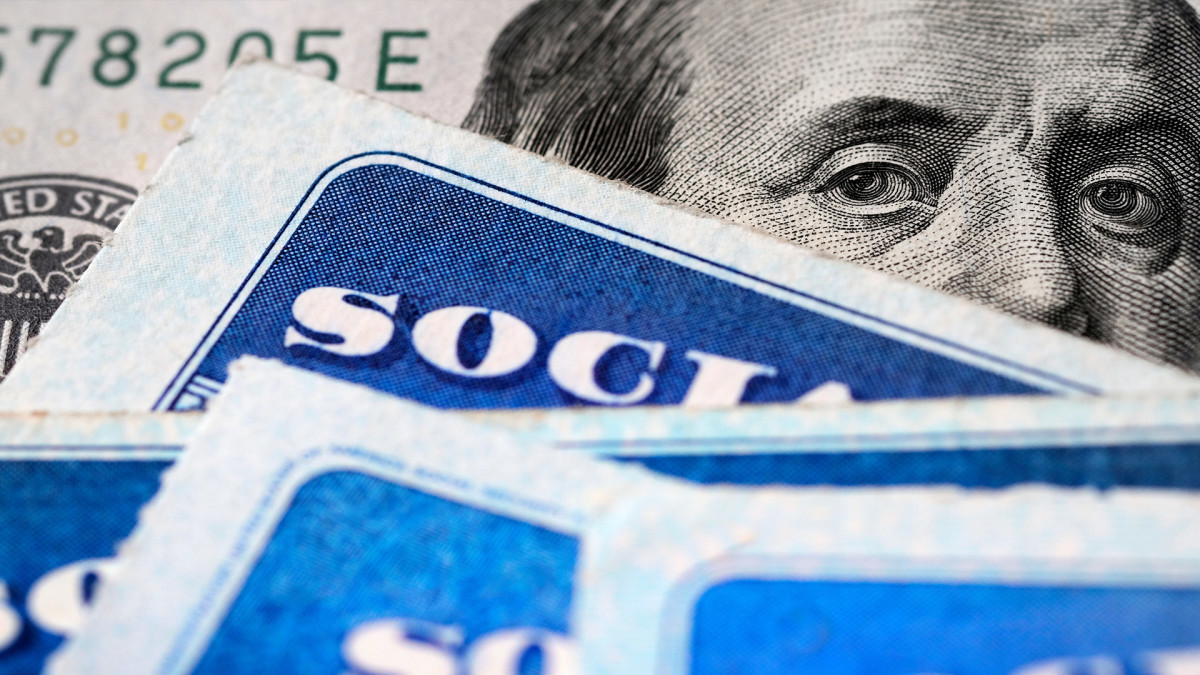 Social Security had intended to shift how payments were delivered.
Image source: Shutterstock/TheStreet
Social Security planned a big change to benefits
Social Security had planned to revolutionize the benefits delivery process as part of its efforts to enhance efficiency. Specifically, the intent was for paper checks to be stopped permanently beginning September 30, 2025.
Lawmakers have long desired to make this change, and there has officially been a rule requiring electronic delivery of benefits for well over a decade since 2011. However, no one in the past took decisive action to stop sending paper checks.
Related: Social Security’s 2026 COLA will be good news for older Americans
The White House wanted to be the administration that put an end to physical checks.
A July 2025 notice posted on the Social Security Administration’s website stated: “Starting September 30, 2025, the Social Security Administration (SSA) will no longer issue paper checks for benefit payments. This change is part of a broader government-wide initiative to modernize payment systems and enhance service delivery.”
Why was the government going to stop sending out paper Social Security checks?
The announcement about shifting to paper checks outlined some of the reasons why the Social Security Administration made this plan, including:
- Improving speed and efficiency, as direct deposits are quicker
- Cost savings, because sending out a paper check costs the government $0.50, while it’s possible for the government to make a direct deposit of a Social Security check for just $0.15
- Better security, since paper checks are 16 times more likely to be stolen
Because of these benefits, the government said that Social Security recipients would have two options for receiving payments after September — direct deposit or a Direct Express card.
Related: AARP CEO shares blunt 9-word warning about Social Security
The government has backtracked on the change to paper benefits
While there were clearly some good reasons for shifting away from paper checks, the decision was also a very unpopular one. The reason: There was serious concern that people who most need their benefits would lose access because they are unbanked or underbanked.
Some Social Security recipients face barriers to opening bank accounts. These include being unable to afford account fees, being ineligible due to previously overdrafting or other problems, or lacking a government-issued ID needed to open an account.
Lawmakers’ objections were instrumental in canceling the Social Security change
Senator Elizabeth Warren was a vocal critic of the plan to switch, commenting on a press call, “There are about 600,000 Americans who still receive their paper checks — it’s a small fraction of people who receive Social Security payments, but it’s a population that often needs checks through paper.”
More on retirement:
- Dave Ramsey offers urgent thoughts about Medicare
- Jean Chatzky shares major statement on Social Security
- Tony Robbins has blunt words on IRAs,401(k)s
Warren met with Social Security Commissioner Frank Bisignano, and after that meeting, the Administration backtracked on the change. Warren announced on July 23 that Commissioner Bisignano had agreed to keep sending out physical checks to those who need them, and an SSA spokesperson confirmed this to both CBS MoneyWatch and Kiplinger.
While the Administration has agreed to cancel the unpopular change, it will still be pushing people to switch to electronic means of receiving payments by communicating about the benefits of making the change and explaining how to do it.