
Starbucks (SBUX) has mostly been in reset mode for most of the year, but now a quieter signal just emerged, and it isn’t pretty.
The popular coffee chain has faced six consecutive quarters of declining comps, with North American transactions down 4% last quarter.
💵💰Don’t miss the move: Subscribe to TheStreet’s free daily newsletter💰💵
Also, with 1,100 corporate jobs cut earlier this year, retooling efforts and C-suite changes, this latest operational shift suggests demand’s far from piping hot, and its leadership is still tightening the belt.
As its corporate readjustments continue, the latest supply chain move hints at a fresh phase of recalibration.
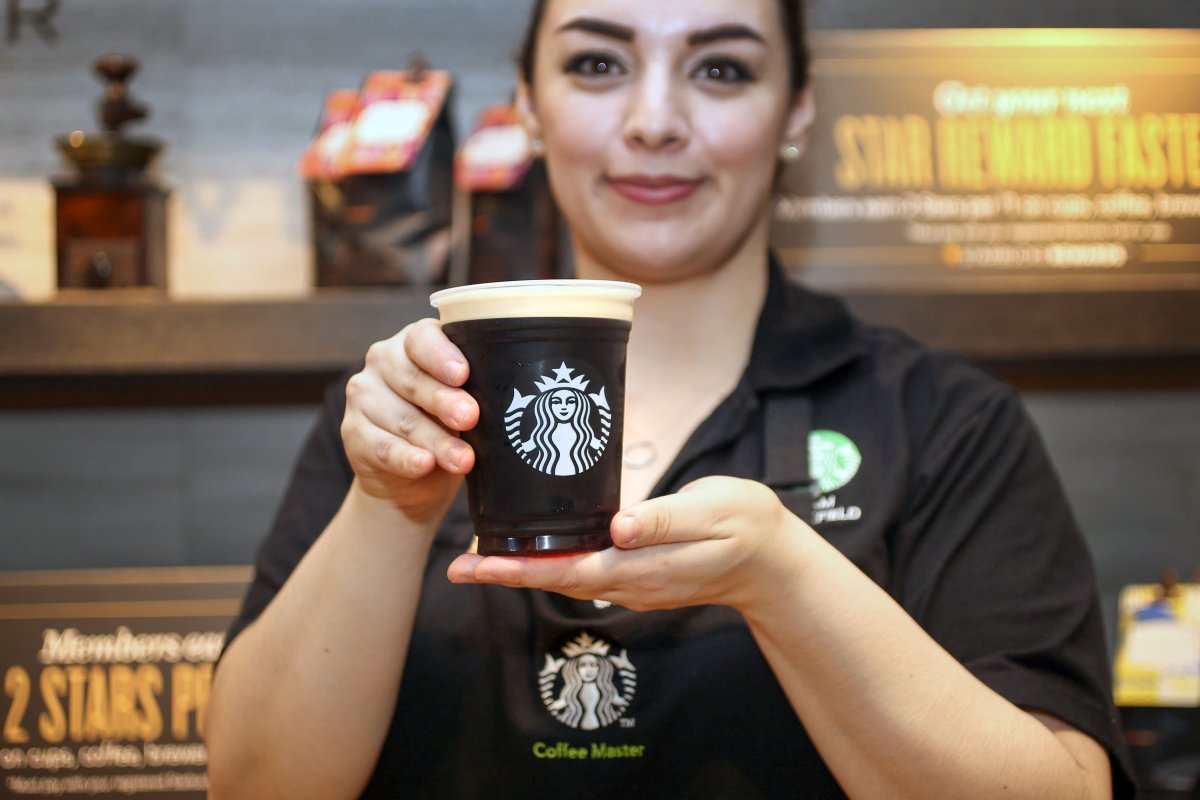 A quiet shift in Starbucks’ U.S. operations could signal deeper pressure on demand and margins.
Image source: Wallace/Toronto Star via Getty Images
Starbucks trims workforce in 2025
Starbucks’ 2025 reset points to a company that’s still playing defense.
As mentioned earlier, its operational cuts have been deep.
February saw 1,100 corporate roles eliminated and open positions frozen. Also, voluntary buyouts and strict return-to-office mandates (with relocation to Seattle or Toronto) followed.
Related: Elon Musk drops shock U-turn on AI disruptor
On top of that, a flat 2% raise for salaried staff replaced merit bumps, which, despite tempering wage inflation, negatively impacted morale and retention.
On the store end, the company management says its savings are funneling into café upgrades along with key service improvements, but the results haven’t been reflected in its financials.
Also, it’s pushing to explore lower store-remodel costs, which deepens concerns over turnaround capex becoming a red flag.
Moreover, leadership changes point to a shift toward operational control. New CFO Cathy Smith brings experience from retail giants to the table, but her job will be more about proving she can cut costs while preserving store momentum.
The reinstated COO role, filled by Mike Grams, also bundles the same oversight theme, adding a new layer of accountability and highlighting how fragmented operations have become.
Starbucks is looking for margin recovery, but for now, the story’s still one of cost-cutting and structural cleanup.
Starbucks limits plant production to five days a week in cost-cutting push
Starbucks is looking to trim plant production at five U.S. roasting and packaging plants from a full seven‑day schedule to just five days starting in January next year.
The plants in question are operating 24/7, serve both stores and packaged goods, and are located in Georgia, South Carolina, Pennsylvania, Nevada, and Washington state.
Management contends that the decision aims to reinvest in its stores.
CEO Brian Niccol is also cutting overhead costs as he looks to fund upgrades across the entire retail footprint. This move follows a recent flat 2% salary bump for all North American salaried staff.
Related: Shark Tank’s Kevin O’Leary delivers 5-word gut punch on housing market
Naturally, with six consecutive quarters of same-store sales declines, Starbucks is scrambling towards a no-frills approach.
The latest tweak to its roast-and-package schedule is just another attempt to keep the bottom line stable while reinvesting where customers still care.
Starbucks struggles to perk up as traffic slides again in Q3
Starbucks’ recent Q3 results show a picture of a business that’s still stuck in neutral as far as traffic and margins are concerned.
Revenue increased 4% year over year to $9.5 billion, but that top-line bump had to do more with pricing, with comps down 2% globally for the sixth straight quarter. Transactions slipped 2%, with North America down 4% (U.S. also down 2%).
China was the only bright spot, which showed a 6% bump in traffic, but lower ticket sales (-4%) capped those gains.
Profitability sagged as well.
GAAP operating margin declined to 9.9%, while non-GAAP margin dropped to 10.1%.
That translated to a worrying diluted GAAP EPS of $0.49 and non-GAAP EPS of $0.50, but down close to 47% year-over-year, hurt by deleveraging and one-time leadership expenses.
More News:
- Billionaire George Soros supercharges Nvidia stake, loads up on AI plays
- Tesla just got its biggest break yet in the robotaxi wars with a key permit
- Bank of America drops shocking price target on hot weight-loss stock post-earnings
North America sales were up just 2% to $6.93 billion, but segment margins tanked 770 bps to 13.3%. International did better top-line (up 9% to $2.01 billion), but still saw sizeable margin pressure (-200 bps).
Starbucks keeps expanding with 308 net new stores (41,097 total), but the core metrics show plenty of sluggishness. It’s spending more to fix the in-store experience, but that hasn’t translated into any financial gains.
Related: Veteran analyst: Two forces could decide what’s next for S&P 500 in 2025