
Consumers have had a rude awakening this year.
After President Donald Trump announced the finer details of his plan for tariffs on April 2, the reality of how they would affect Americans’ everyday lives started to sink in.
💵💰Don’t miss the move: Subscribe to TheStreet’s free daily newsletter💰💵
Some of the biggest retailers in the country, from Walmart to Target, soon indicated that prices may have to rise in order to offset tariff cost increases.
In other words, the businesses were planning to pass the costs along to the customer, something no one in the country struggling with an already-high cost of living wants to hear.
Related: Starbucks makes huge investment to solve a key problem
Customers quickly pivoted in response, pulling back on luxuries like eating out, getting coffee on the go, and vacation planning. In a recent survey from McKinsey & Company, 43% of consumers reported rising prices as their top concern, with more than half planning to cut back on nonessential spending.
Retailers are scrambling as profits are dropping before their eyes, trying to find ways to coerce customers to spend, despite the current climate of uncertainty.
Starbucks is taking an unusual approach to that, not only promising big in-store changes, but admitting that it made a big misstep.
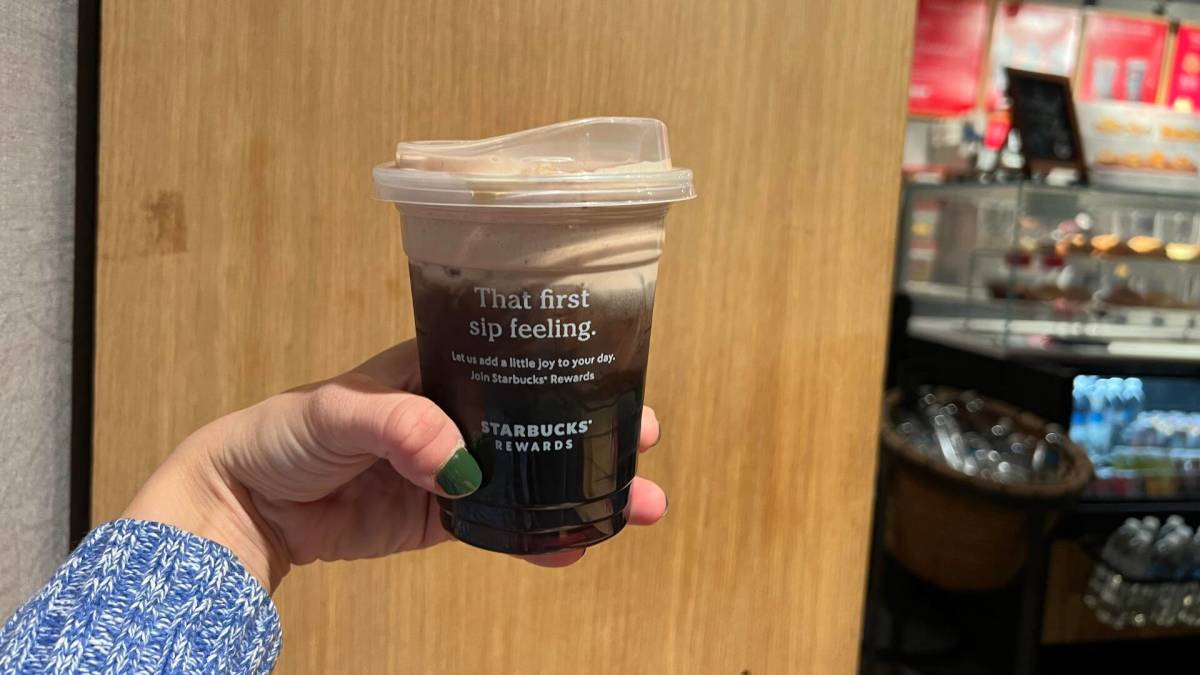 Starbucks wants you to get your drink, but much faster than you do now.
Image source: Veronika Bondarenko
Starbucks CEO admits the company took a wrong turn
Starbucks CEO Brian Niccol recently told Axios in an interview that pulling back on in-store seating was a mistake, saying, “We had this strategy that I think was just a misfire of a purpose-driven store.”
More Retail:
- Huge retail chain closing more stores soon (locations revealed)
- Struggling drugstore chain announces second bankruptcy
- Beloved discount grocery chain has massive US plans
Now Niccol says the focus needs to move away from purpose-driven efficiency and towards what he calls “community connection.”
As a part of its Back to Starbucks plan announced in September 2024, Niccol says new menu items are coming. Currently in testing is a “chocolate protein cold foam” and banana bread lattes.
But another innovation Niccol mentioned is of significant interest: food that’s actually baked in stores. Starbucks has traditionally stocked frozen foods that it reheats before serving to customers, but this approach would support Niccol’s plan to attract a community who would prize fresh over frozen foods.
Related: Starbucks faces huge new rival
Niccol also told Axios that the company has to create new “fastballs” for the business, like its oh-so-famous Pumpkin Spice Latte.
Starbucks is also investing heavily in its workforce as a part of the plan.
“Starbucks is expanding its workforce by adding at least one full-time assistant store manager to most company-operated stores nationwide beginning this fall,” TheStreet’s Fernanda Tronco reports.
Lastly, Starbucks is also working on a plan that will make many customers happy: its “Green Apron Service Model,” which aims to deliver drinks into customers’ hands in four minutes.
Where Starbucks stands today
While Niccol’s planned changes sound promising, they’re also necessary to revive a struggling business.
Starbucks’ sales have fallen for four quarters in a row, and the company reported during its April 29 earnings call that net earnings fell 50% to $384.2 million from the prior year.
Starbucks attributed some of the decline to hiring efforts focused on its turnaround strategy and various restructuring costs.
While tariff fears certainly have had an impact on this year’s sales, it’s clear that Starbucks’ current problem predates that.
Naturally, Niccol’s ambitious plans will take time to crystallize.
“We’re not just building back our business,” he said. “We’re building back a better business,” he told investors and Wall Street analysts during the call.
Related: McDonald’s launches unusual new drink to recover customers