
Starbucks (SBUX) just told investors that the difficult phase of its turnaround is over.
On Sept. 10, two years after Brian Niccol took over as chief executive, he said the company had achieved its goal. “Starbucks is back,” he told CNBC.
Niccol’s performance at Chipotle, where he led the recovery from the chain’s food-safety crises after taking over in 2018, earned him the benefit of doubt.
Now he is counting on the cafes themselves to bring coffee drinkers back.
Starbucks’ $1 billion plan to make its cafes worth staying in
The next phase is a physical makeover.
Starbucks will spend about $1 billion to remodel up to 9,000 company-operated locations in North America, Investing.com reported.
Each redo costs roughly $150,000 and is set to be finished overnight so stores stay open.
More Restaurant Coverage:
- RBC wants investors to buy crashing restaurant stock
- Starbucks changes iconic recipe, angering customers again
- Steakhouse chain closes final location in major market
The updates make the cafes more comfortable. They include: 25,000 new chairs, softer lighting, rugs, plants, and more power outlets.
Starbucks calls them “uplifts,” and the point is to make its shops somewhere people sit and relax instead of simply quick pickup counters.
Niccol is also stepping away from mobile-order-only stores in major cities and moving that money into full cafes.
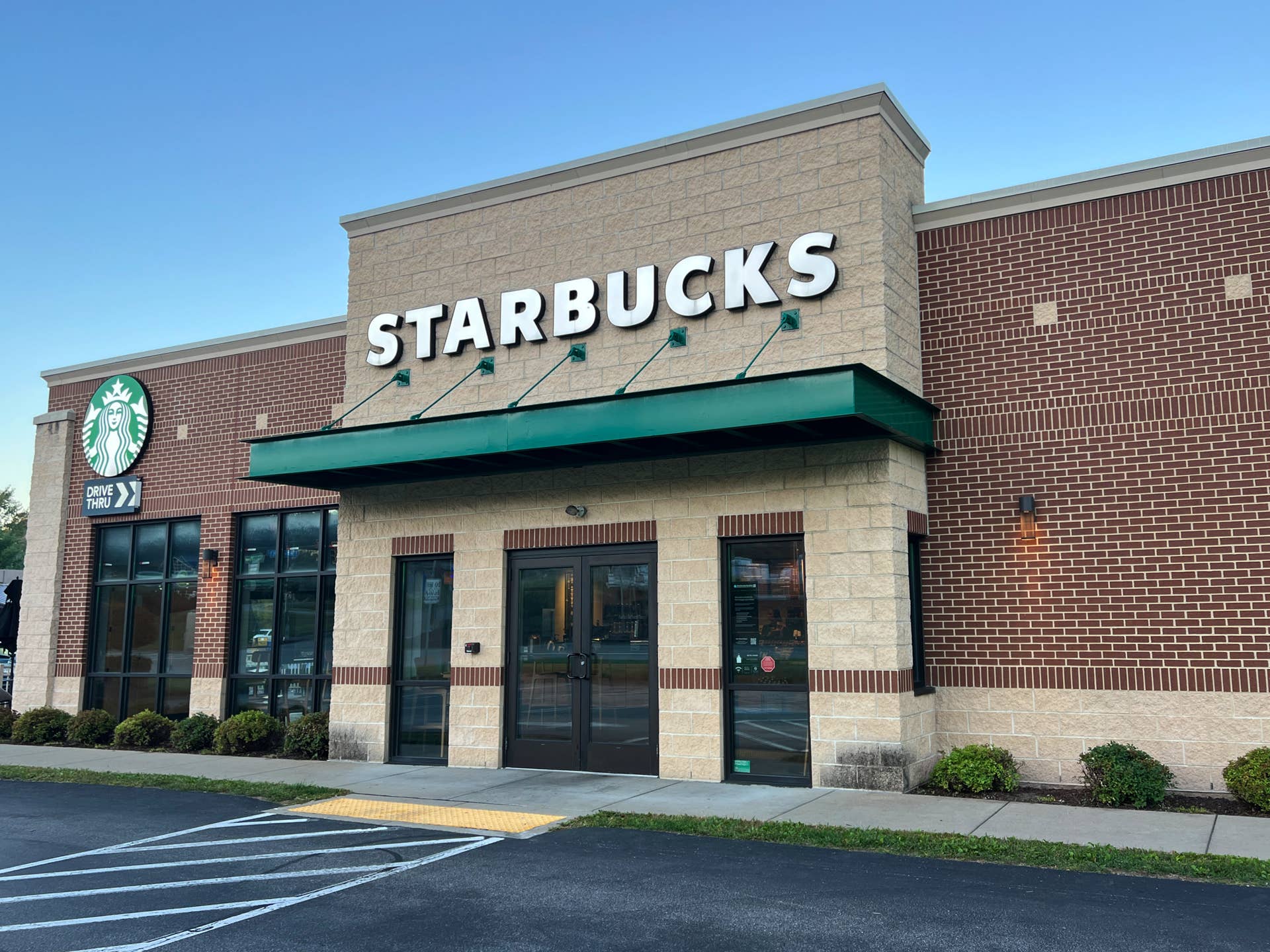 Starbucks plans to remodel up to 9,000 North American cafes to encourage customers to sit and stay.
How the turnaround shows up in Starbucks sales
Starbucks earns most of its money selling coffee and food at company-run cafes, with added income from licensed stores and packaged products sold in groceries.
Investors’ primary focus is on same-store sales, which track sales at shops open for 13 months or longer.
In the fiscal third quarter, global same-store sales rose 7.9%, Starbucks reported. The increase was mainly due to more visits and higher spending on each order.
Adjusted earnings beat expectations by close to 31%, and the company’s management lifted its full-year guidance to a range of $2.55 to $2.65 a share.
What drove the quarter
- Transactions climbed 4.2%, so more customers are actually showing up.
- The average amount spent on each order rose 3.5%.
- U.S. same-store sales have now grown for four straight quarters.
Why Starbucks’ revenue fell, even as sales grew
Total revenue came in slightly below last year, even with strong sales at existing stores.
The reason is China. In April, Starbucks closed a joint venture with Boyu Capital that handed the firm 60% of its China stores and left Starbucks with 40%.
Related: 49-year-old beloved pizza dining chain quietly closes locations
Starbucks no longer counts all the sales of those stores as its own, since it no longer owns most of them, according to its SEC filing.
The company said its operating margin grew after the change, and investors now want that improvement to continue, Reuters reported.
What the makeover means for Starbucks stock investors
The upgrades mean spending will stay high for several quarters while thousands of stores get remodeled.
Starbucks is also investing about $500 million in service training and new ordering technology to reduce customer wait time, QSR reported.
Rivals such as McDonald’s and Dunkin’ are cutting prices to draw customers, while Niccol is protecting Starbucks’ higher prices by selling a better experience instead.
Wall Street’s average 12-month price target sits at $119, which is above the stock’s recent $98.74 close.
What still needs to happen
- About 1,500 uplifts planned to be completed by the end of September out of the total 9,000.
- Cafe traffic has to keep climbing to justify the spending.
- International growth, including the reshaped China business, must hold up.
The bottom line on Starbucks stock
The old question on investors’ minds about the stock was whether Starbucks could fix itself. Niccol says that answer is settled.
The new question is simpler. With the stock already up about 30% since his hiring, how much of the comeback is already priced in?
For now, higher traffic and a barely started uplift give SBUX stability and room to grow.
Related: Barbecue chain closed more restaurants than it admitted