
When most restaurant chains have been sounding the alarm on the American consumer, Starbucks just posted one of its strongest quarters in recent memory.
The numbers were hard to ignore.
- Global comparable store sales grew more than 6%.
- Transactions in the U.S. rose over 4%.
- Earnings per share climbed 22% year-over-year to $0.50.
- The company also raised its full-year guidance.
But tucked inside that optimism was a candid warning from Starbucks (SBUX) CEO Brian Niccol on where things could go from here.
Starbucks snapped a two-year losing streak
For context, this turnaround did not happen overnight.
Starbucks had been struggling through a prolonged slump. Comparable sales had been falling, margins were shrinking, and customers were pulling back.
The company went through a leadership change, bringing in Niccol from Chipotle in late 2023 to steady the ship.
His plan, called “Back to Starbucks,” focused on getting back to basics. That meant simpler menus, better in-store service, faster drink times, and a revamped loyalty program.
More Restaurants
- 30 year old restaurant has closed all restaurants
- After bankruptcy, Hooters closes restaurants, fights for survival
- Iconic Las Vegas Strip restaurant closes without warning
It also meant cutting unnecessary corporate overhead and rebuilding trust with both customers and baristas.
The second quarter of fiscal year 2026 was the clearest sign yet that the strategy is gaining real traction.
- Revenue came in at $9.5 billion, up 8% year-over-year.
- North America comparable sales accelerated to 7.1%, led by U.S. transactions growing by more than 4%. That kind of transaction growth had not been seen in three years.
- The company’soperating margin improved to 9.4%, up about 110 basis points from the prior year.
Niccol called it plainly on the earnings call:
“Q2 marked a milestone for the business. We delivered growth on both the top and bottom line for the first time in more than two years.”
Niccol’s blunt take on consumer spending
Here is where it gets interesting for investors and everyday customers alike.
Despite the strong numbers, Niccol was careful not to declare mission accomplished on the macro front.
He acknowledged that Starbucks has not yet seen a meaningful pullback from consumers, even as gas prices creep higher and economic uncertainty builds.
Related: Starbucks drops another summer surprise as competition heats up
But he was clear: that could change.
“We haven’t seen a lot of the macro effects trickle into consumer behavior as it relates to Starbucks,” Niccol said on the call. “But I think we want to be cautious going forward because we’re not sure how this will play out.”
He pointed to gas prices, fuel costs, and broader input inflation as variables worth watching.
Notably, Starbucks grew transactions across all income levels in the quarter. Even lower-income customers, a group that has been abandoning many fast-food brands, kept coming back.
Niccol attributed that to the “worth it” factor: customers who treat Starbucks as a small splurge felt the experience justified the spend.
It suggests that Starbucks has rebuilt enough brand equity that its customer base is more resilient than that of a typical quick-service chain.
Chief Financial Officer Cathy Smith noted that brand affinity hit five-year highs in the quarter, with consideration and purchase intent rising sharply among Gen Z and millennials.
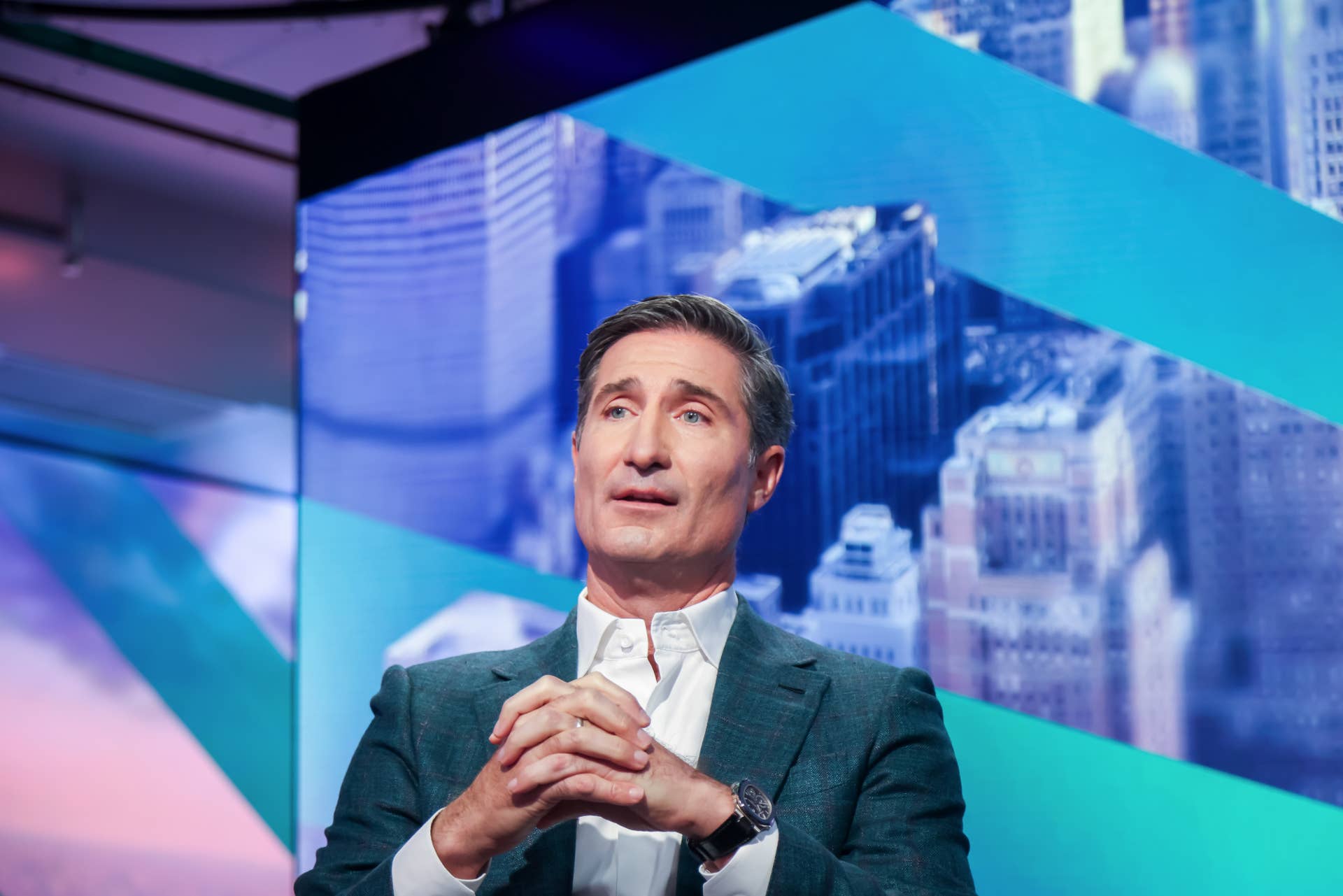 Brian Niccol, Starbucks CEO, is focused on operational improvements
Bloomberg/Getty Images
What’s driving the comeback in SBUX stock
The operational improvements are real and measurable.
Starbucks uses an internal performance scorecard called the “Grow report” to track store-level execution across sales, throughput, staffing, and customer feedback.
Since the program launched, the share of U.S. company-operated stores hitting four or more performance “shots” has grown by more than 30 percentage points.
Service times have held steady despite the surge in transaction volume. Delivery, now available across the full U.S. company-operated portfolio, grew more than 30% year-to-date and is proving to be largely incremental revenue rather than cannibalizing in-store sales.
Menu innovation is also pulling its weight.
The new Cold Foam modifier platform grew more than 40% in the quarter. Energy Refreshers, launched in April, exceeded expectations out of the gate.
A new customizable caffeine option on Refreshers is drawing in morning drinkers who previously would not have touched an energy drink, while giving afternoon customers the option to dial back the caffeine.
On the loyalty front, the revamped Starbucks Rewards program added members rather than losing them, the opposite of what the company feared.
The new 60-star redemption tier, which offers $2 off a purchase, already accounts for roughly one-third of all redemptions. Membership hit a record 35.6 million 90-day active members.
Starbucks raised full-year comparable sales guidance to five percent or better and lifted earnings per share guidance to a range of $2.25 to $2.45.
The company still faces headwinds.
Coffee prices remain elevated, tariff costs have pressured margins, and North America’s operating margin contracted by about 170 basis points in the quarter.
But Smith said both the coffee and tariff pressures are expected to ease in the back half of the fiscal year.
The direction of travel is clear. Whether the broader consumer holds up long enough for Starbucks to finish what it started is the real question hanging over the rest of 2026.