
XPeng (XPEV) stepped straight into Tesla’s (TSLA) lane — and maybe its spotlight — with the launch of IRON, a humanoid robot that’s a lot less of a concept and more of a product in waiting.
The groundbreaking battery-powered robot features a sleek design and will apparently be ready for real jobs by 2026, a timeline that puts immense pressure on Elon Musk’s long-promised Optimus project.
What’s different with XPeng is that it isn’t pitching IRON as sci-fi, but selling a near-term business, with service bots for malls, factories, and hospitals.
For the Chinese company defined by EVs, this pivot signals something a lot bigger, a push to turn robotics hype into long-term revenue engine before Tesla does.
 XPeng’s next-generation IRON robot debuts with synthetic muscles, soft skin, and a flexible spine, blurring the line between machine and human.
Apu Gomes/Getty Images
IRON puts XPeng robot in Tesla’s lane
XPeng’s 2025 Tech Day unveiled a competitor that can walk and wave, and it’s gunning to outshine Tesla’s Optimus.
The IRON, a 5’7” humanoid robot, features an eerily human “bone-muscle-skin” design, while being powered by an all-solid-state battery.
Each of its hands flexes through 22 degrees of freedom and is part of 82 joints, giving it almost human dexterity.
Related: Microsoft CEO drops blunt truth on AI
Behind its curved, expressive “face,” three in-house Turing AI chips efficiently coordinate vision, speech, and motion, backed by 3,000 TOPS of computing power.
Safety and privacy weren’t afterthoughts, either. The IRON brakes itself before bumping into stuff and keeps all user data on-device under its so-called “Fourth Law.”
More importantly, XPeng is planning to commercialize IRON by 2026, beating Tesla to market, while forcing a rethink of who’s really leading robotics.
IRON humanoid robot’s key features:
- 5’7” humanoid with flexible spine, synthetic muscles, and realistic outer “skin”
- 82 joints (22 per hand), mimicking humans
- Sector’s first all-solid-state battery for greater safety and energy density
- “Fourth Law” of robotics led by on-device data privacy and indoor AEB safety
- Triple Turing AI chips delivering 3,000 TOPS for vision, language, and motion
The market for humanoids is huge
Industry forecasts for humanoid robots are absolutely staggering.
Analysts view the market as evolving from curiosity to cornerstone quicker than most people expect.
- Nearly a billion robots by 2050: Morgan Stanley forecasts that by mid-century, nearly 1 billion humanoid robots could potentially be in service globally. About 90% of them will be put to work in industrial and commercial settings.
- $5 trillion annual market: Estimates suggest that by 2050, the humanoid ecosystem could potentially blow past $5 trillion in yearly revenue. The businesses that currently dominate could be sitting on an opportunity that’s bigger than today’s entire EV market.
- The 2030s will be the lift-off decade: Expect an S-curve adoption pattern where widespread rollout is likely to pick up in the late 2030s with hardware improvements and fewer regulatory roadblocks.
- China leads the humanoid race: Due to heavy government backing along with strategic investment, China has taken an explosive lead early on. Businesses such as XPeng (with IRON) are benefiting from the state-fueled momentum.
Elon Musk makes bold Optimus claims
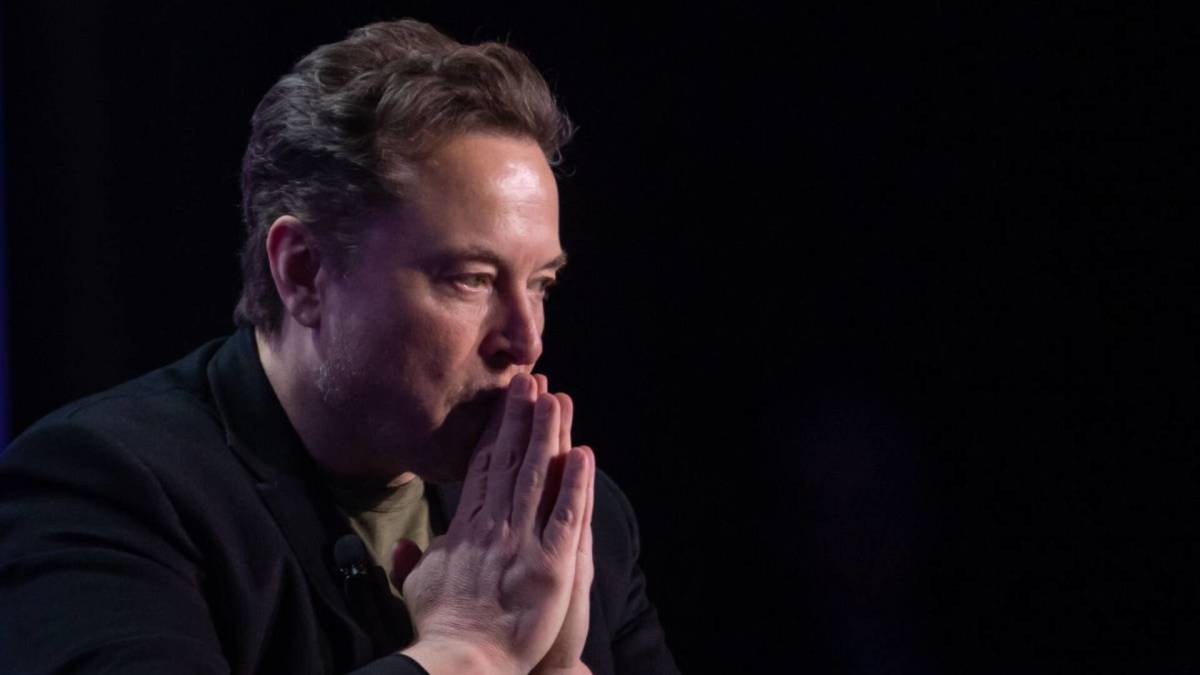
Elon Musk is thinking big when it comes to Optimus, Tesla’s powerful humanoid robot.
He hails the robot as the company’s crown jewel, and not just in passing. Musk feels that Tesla’s robot business will eclipse its car division one day, making humanoids the EV giant’s biggest product “by far.”
Related: Warren Buffett’s Berkshire takes $6 billion out of the stock market
He’s even floated numbers that sound straight out of science fiction, forecasting millions of units by 2027, paving a path to a $25 trillion valuation.
- Optimus will outgrow Tesla’s car and FSD businesses combined: Musk states that Optimus will eventually be worth more than Tesla’s automotive and Full Self-Driving operations put together.
- Humanoid robots will generate 80% of Tesla’s total revenue: In social media posts and internal meetings, Musk claimed that Optimus will eventually represent the majority of Tesla’s business.
- A $25 trillion valuation, powered by millions of robots: Musk projects Tesla could potentially reach a $25 trillion market cap one day if Optimus succeeds, which is more than five times the world’s largest company today.
Tesla’s EV sales slump remains a problem
Tesla’s robotics pivot isn’t exactly happening in a vacuum; a lot of it has to do with the company’s once-unstoppable EV growth hitting the brakes.
Following a decade of nonstop expansion, 2024 marked Tesla’s first annualized sales decline in over a decade, with deliveries slipping to 1.8 million vehicles, down from 2023’s total.
The slump has deepened in early 2025, with Q1 deliveries falling 13% year over year to 336,681 units, followed by another 13.5% drop in Q2 to around 384,000.
It posted a record 497,000 in Q3 deliveries, though, with buyers racing to chase the expiring U.S. tax credit. Nevertheless, that temporary bump is unlikely to fix the broader problem, as Chinese EV makers like BYD have been beating Tesla soundly at its own game.
Related: Goldman Sachs offers subtle twist on AMD stock post-earnings