
Electric vehicle maker Tesla (TSLA) has pinned its company’s future on autonomous driving and its Optimus robots, but in the present, Tesla Autopilot and Full Self Driving options are causing it a lot of trouble.
Even before a Florida jury ruled in August that Tesla Autopilot was at least partially responsible for a crash that killed Naibel Benavides in 2019 and awarded the family as much as $243 million, Tesla had a history of settling lawsuits.
While Tesla says that its driving technology is much safer than human drivers, from July 2021 to July 2022, there were at least 273 reported accidents involving Tesla Autopilot or self-driving tech, according to the law firm Simmons Hanly Conroy.
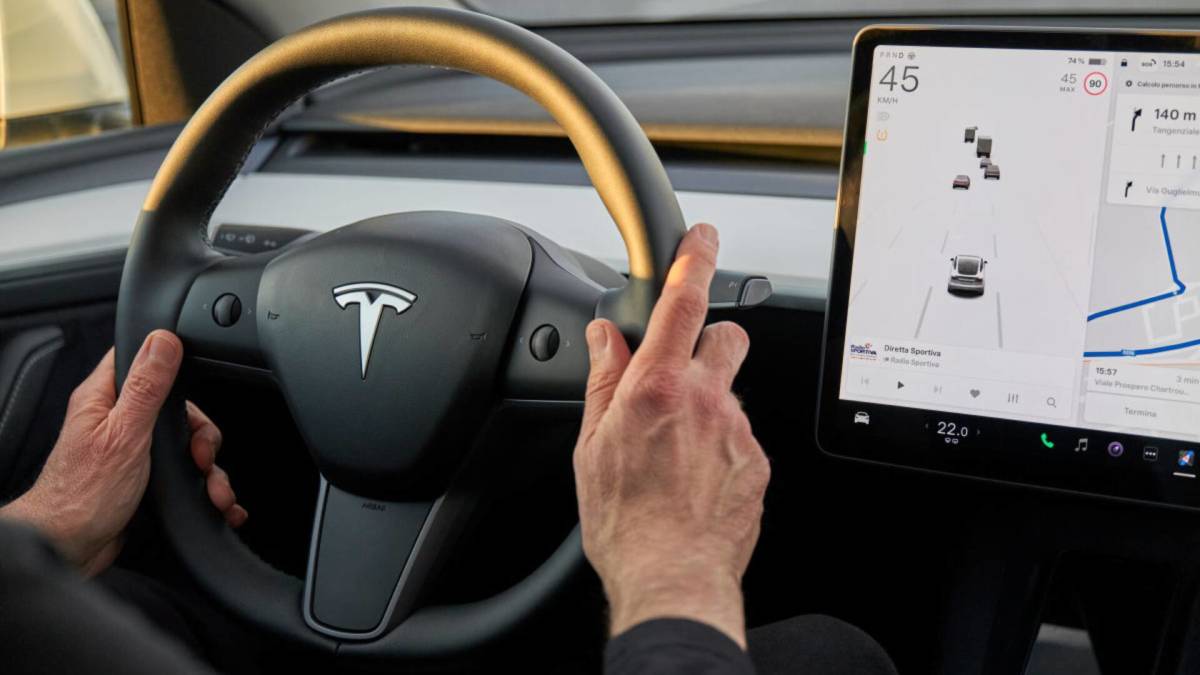 Tesla has been sued over its Autopilot claims.
Image source: NurPhoto/Getty Images
Tesla has a history of settling FSD/Autopilot lawsuits
Tesla has been involved in numerous settlements, some confidential, over its self-driving technology.
- $10.5 million settlement – California 2023: A Tesla Model X with Autopilot engaged hit a highway barrier, killing the driver. The family said Autopilot failed to detect the obstacle and that Tesla misrepresented its capabilities.
- $8.2 million settlement – California 2022: A pedestrian was killed in a crosswalk by a Tesla Model 3 with Autopilot engaged that didn’t stop or alert the driver of an issue until it was too late.
- $7.5 million settlement – California 2021: A Tesla Model S with Autopilot engaged rear-ended a stopped vehicle at high speed, instantly killing the victim. Investigators said they found no evidence that the car even tried to brake before the collision.
- $6.8 million settlement – California 2020: A Tesla Model X with Autopilot engaged crashed into a parked fire truck. The driver of the vehicle survived, but the passenger died from blunt force trauma.
Tesla has appealed the Florida verdict, asking a judge to find it legally unjustified and either throw out the case or order a new trial.
However, as new court documents from California emphasize, Tesla does not typically go to trial in these situations.
Tesla settles two lawsuits in California over fatal Autopilot crashes
Just weeks before the trials were set to begin, Tesla reached confidential settlements in two separate lawsuits brought over the deaths of people involved in crashes featuring Autopilot, Reuters reported, citing court documents.
The settlement notice for one lawsuit was filed on Tuesday, relating to the death of a 15-year-old boy who was traveling in Alameda County, California, with his father when the vehicle they were in was rear-ended by a Tesla Model 3 with Autopilot engaged.
Related: Tesla faces another lawsuit after $323 million Autopilot verdict
The victims’ vehicle rolled over and crashed into the center barrier, killing the youth.
The second case, also from 2019, involved two people in a Honda Civic traveling through an intersection in Gardena, California, when a Tesla Model S with Autopilot engaged plowed through a red light and crashed into their car.
Tesla settled its case with the victims, but Reuters reported that the driver of the vehicle and “some other defendants” will continue their trial.
Tesla did not immediately respond to a request for comment.
Tesla usually avoids Autopilot litigation, but the Key Largo, Florida, case was different
It emerged during The Verge’s interview with Tesla Autopilot lawsuit litigator Brett Schreiber that the company doesn’t often take lawsuits like this to court.
Tesla has a track record of either settling Autopilot death lawsuits or outright winning them.
Related: $243 million Tesla Autopilot lawsuit lawyer has message for Elon Musk
Last month, U.S. District Judge Rita Lin ruled that Tesla must face a California class action lawsuit alleging the company misled customers about Full Self Driving’s (FSD) capabilities.
U.S. District Judge Rita Lin ruled that Tesla must face a California class action lawsuit alleging the company misled customers about Full Self Driving’s (FSD) capabilities.
̈While these channels alone may not ordinarily be enough to establish class-wide exposure for a traditional car manufacturer, Tesla’s distinctive advertising strategy warrants a departure from the typical approach, ̈ Lin wrote, according to Reuters.
Related: Tesla lands in more hot water over Elon Musk’s Full Self Driving claims