Transcript:
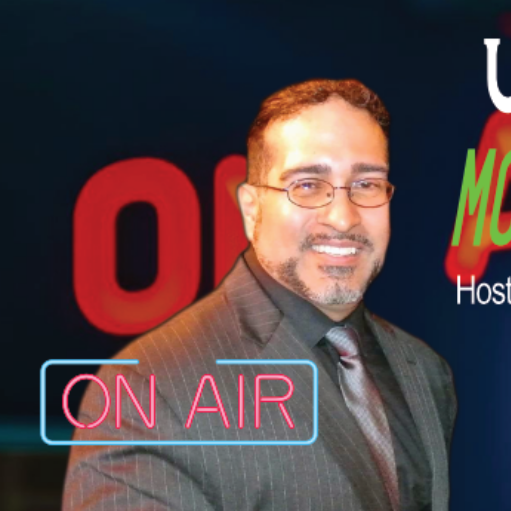
Caroline Woods: Joining me now is Steve Sosnick chief strategist at Interactive Brokers. Steve, welcome to the desk.
Steve Sosnick: Well, it’s great to be here. Great to see you.
Caroline Woods: It’s great to have you. All right. So you have this unique window into what’s being bought and sold with your clients and Interactive Brokers. You were last on in early September. What’s the biggest change that you’ve noticed in trading behavior and investor sentiment between now and then?
Steve Sosnick: I think the investor sentiment is a bit stronger. I mean, I do think the anthropic S-1 rekindled interest in the AI trade that had been getting a bit squirrely, and we could talk about the reasons for the squirrely ness, if that’s a word. But basically, I think, you know, it’s back. You know, we did see our customers, leaning in, actually, they they are they are very assiduous buyers.
Steve Sosnick: So they were buying NIO cloud stocks, which, you know, hasn’t necessarily been the best trade, but they certainly got vindicated over the last couple of days. You know, when I say neo clouds, I mean things like core, we’ve nebulas. I orient that those kind of names. We’ve also just, you know, I wrote in this week in the analysis I wrote of this week’s activity, it’s Musk’s world, and we’re all living in it.
Steve Sosnick: The most active and the most bought stock on our platform was SpaceX. On the other hand, the most sold stock on our platform was Tesla. They sold into the recent rally, after the, Tesla analysts report on Monday from, Barclays, I believe so. So, you know, and I think there, you know, while there’s all the talk about will they won’t they merge?
Steve Sosnick: I do I don’t know that it’s going to happen anytime soon because it’s probably a stock for stock merger. And until SpaceX is part of the S&P 500, I don’t see how you do that, because that would mean that everybody who received stock in space was an SNP 500 index holder, would have to sell it.
Caroline Woods: So
Steve Sosnick: So that’s a little weird.
Caroline Woods: I’m curious though, are they making money on these trades on the whole.
Steve Sosnick: I can’t speak. I can’t speak specifically to whether they’re making money or not, I honestly can’t. I don’t have that kind of granularity. What I will say is our customers for the last couple of years have consistently beaten the S&P 500. So I would say our our you know, our customers are winning relative to the market on each individual trade I certainly can’t say.
Caroline Woods: Okay. A lot to break down here. You mentioned that space has moved to the top of your most active list replacing Nvidia. Last time you were on, you told me space stocks were an area that you would avoid. Have you changed your mind?
Steve Sosnick: No, I still would. I still think they’re a bit frothy. I think that, you know, plus it’s not only space. It’s sort of the second tier stocks, you know, the assets of the world that. So it’s as a sector, I think space is roughly it’s a little bit higher than where we were. But I think also the some of the other stocks in that sector have come off a bit.
Steve Sosnick: So I don’t I don’t have a problem with having said that. The other thing that I would say is in the interim, sort of in the intervening time, we had a huge rush. It was all it was almost all semis to the point where a couple of weeks ago, Sox L, the triple levered Sox, was the most active stock on our platform and the most bought stock on our platform.
Steve Sosnick: And they were buying as that one I can’t imagine worked out very well for them for a couple of different reasons. I think a lot of customers bought early. The other thing is I loathe triple, I loathe leveraged.
Caroline Woods: I remember that.
Steve Sosnick: And and I will stand by that. There’s two reasons for it. You can trade them. And I’m never going to tell someone not to trade, but their prospectuses, which I doubt that people read in depth because who, you know, who’s they click about received the prospectus. Yes. Then they click the box. Don’t actually read it, but the, the prospectuses on almost every leveraged ETF warned that these stocks underperform that benchmark over time.
Steve Sosnick: They they do a good job at roughly matching their benchmark on a given day. You know, plus or minus whatever the percentages. But over time, they, they decay, they miss their benchmark, and they tell you this, the reason for that is they have to buy options to meet to meet their benchmarks. If you buy options, options decay.
Steve Sosnick: If you hold options, you are fighting this this decay. And so you know, can work on a given day. The other problem is people rush to them when when volatility is high. That’s also when options are more expensive. So you’re rushing in to buy something that that decays even faster in that situation. So again I’m not going to tell anybody watching don’t trade these.
Steve Sosnick: But these are trading vehicles not investment vehicles. Okay I understand that.
Caroline Woods: But on days when stocks sell off you’re still seeing aggressive dip buying. You’re not necessarily seeing any signs of caution.
Steve Sosnick: No I would I would say that for the most part when the smoke alarm rings, our customers run into the building.
Caroline Woods: The majority of the names on your top 25 most active list are tied to IE. Are you concerned that there’s too many eggs in one basket here?
Steve Sosnick: Yes. And you know what? I think it’s working for people who are invested in it. I let me say that it’s working for people who are invested in the broad market. Let me also add that. But I think what I think the problem is, a lot of us reflexively put money into S&P 500 or similar funds in our in our 401 K’s and things like that, and say, okay, you know what?
Steve Sosnick: I’m I’m diversified. I’m putting it in the 500 stock index. The problem, of course, is, which is I’m not new to this, is that, you know, the top ten stocks are over 40% of the index. And when you start to take stocks that are really affected by I in that trade, you’re talking 50% or more. So you are heavily levered and not levered.
Steve Sosnick: That’s the wrong word. You’re heavily exposed to the to the I trade. What do you think you are or not in most cases. And I think that does concern me because you’re getting this concentration that I think becomes difficult. To overcome, you have to actually work hard if you don’t want to be invested in. I doesn’t mean you shouldn’t be, but I think if you if you’re getting a little concerned and I think other investors are expressing concerns about, return on investment, you know, ability to pay for some of the marginal players and stuff like that, or just the sheer amount of money that needs to be raised.
Steve Sosnick: If you want to avoid that, you actually have to look a little bit beyond sort of your, your standard and, you know, just throwing in your standard 401 K, putting it in there, putting it in S&P mutual index fund or mutual fund, it gets a little trickier.
Caroline Woods: And you might have to risk seeing lower returns to.
Steve Sosnick: Absolutely. That’s where the action basically as a as a as a market we’re all in on I whether we question is do you want to be or not. And you know it’s why do.
Caroline Woods: You want to be should we want to be at this point at.
Steve Sosnick: This point I think we should be I think we should be a bit wary and go into the reasons why. Number one, they’ve had a huge run. Is there anyone who wants to be invested in a, who who isn’t aware of this? Is there any money waiting to be on the sidelines, aside from just money that flows into the market?
Steve Sosnick: Are there people out there saying, you know what, I’ve missed the last four years of this AI trade? Let me put it all in there now. No, there’s no institutions doing that. There’s money flowing in because, you know, they receive money or you know, again using that S&P 500 example anytime, anytime I put money and I do this to any time my 401 K is allocated somewhat two to to an S&P 500 fund.
Steve Sosnick: That money’s going in. I’m buying more I but I’m not at this point. You’re not I can’t imagine there’s a lot of institutions who’ve been saying, you know what, I’ve missed this whole thing. Let me let me rush in. And I think a lot of the public has been paying attention to these names. Also feels the same way.
Steve Sosnick: At the same time, we are starting to ask questions that had we and I mean, collectively, the market is asking questions that had really not been asked for time immemorial. If somebody wants a bar, if I wanted to come to you, Caroline, and say, I want to borrow a thousand bucks from you, what would be your first sort of mental thought would be, can this guy pay me back?
Caroline Woods: I’d be like, what? Interest rate charging him.
Steve Sosnick: There you go. What interest rate and what interest rate? And can you pay me back? People really didn’t ask that question about anything involving I. And so. Oh, you want to borrow more money? Sure. By all means. You want to you want to sell more stock? Sure we will. Really. You know, we’re not going to really concern ourselves with what the ROI and the ROI is on those situations.
Steve Sosnick: We are now. And I think that was why you saw the hiccups in in the NIO cloud stocks, because they’re sort of the marginal providers. Nobody’s really questioning, you know, a lot of the bigger names, can they pay back their debts, whatever. But that is why you’re starting to see the market demand higher interest rates from some of these companies with the edges.
Steve Sosnick: These questions are being asked. And as we’re looking at an environment where anthropic just told us they want to raise 85 billion or more in new stock, meta is out there raising 95 billion or more in equity in preferred and switching it to a non-voting, which was which clearly opens it up, for it was obvious at the time that that that they wanted to use the non-voting shares as a way to raise stock.
Steve Sosnick: And they waited about three days or a week before they did it. So it’s telling you that the supply demand out there in the market has changed. And so it’s it you’re you’re in some ways the tide which had been and, you know, pushed an outgoing tide. Right. But a rising tide lifting all the boats in some ways that the liquidity tide is kind of fighting against you.
Steve Sosnick: You see it in fixed income in the broader in, you know, in treasury rates. We’re seeing I think having had rates go up, we’re seeing that in credit spreads. And we’re just seeing that in the, in the idea that these companies that had been, buying back stock, you know, for, for, you know, for, for a decade or more, they’re now out there issuing stock.
Steve Sosnick: So it’s a different it’s a different perspective.
Caroline Woods: We’ll get to your market outlook and where you want to be if not in tech. Before we get there, I do have a few final questions to kind of wrap up the tech section here. You talked about anthropic. Its IPO filing has reignited enthusiasm around AI. Is that a legitimate reason for optimism or do you look at that as a risk?
Steve Sosnick: Both. And it’s really this is like a at the anthropic s one in many ways is a litmus test in how you view AI. On the plus side, their revenue growth is spectacular, right? It’s exponential in a huge way. And it’s telling you that on an operating basis they’re actually turning a profit, which I think a lot of people are shocked at.
Steve Sosnick: On the negative side, they their their losses are growing exponentially, maybe at a slower exponential rate, but it takes a lot of work to lose $80 billion in six months and then to not really tell us what’s going on in the in the third quarter, even though the S-1 came out after the third quarter, maybe that may be a timing issue rather than obfuscation, but still.
Steve Sosnick: The other thing that is staggering in there is reading through it. It looks like they have about $430 billion in obligations over the next few years. Now they have a lot of cash on hand. They they’re raising more cash through this IPO, but that still doesn’t come close to covering the obligations that they have. So while they might be able to, you know, to operating profits, they still have to spend a lot, a lot, a lot of money, both to build out their capacity and to continue to train their models.
Steve Sosnick: So take it whichever way you want. But it is it is an exciting development. It’s a necessary step. And that’s why I think the market on balance is taking that as good news. If they did not go public sometime soon, I think that would have been taken as a very negative sign. Now we’ll see how the market receives it.
Steve Sosnick: That’s the next big test.
Caroline Woods: Which areas of the eye trade look most vulnerable to you right now?
Steve Sosnick: I do, I hate to be in a about this, but I think the Nio cloud is vulnerable. I think I think the more heft you have right now, the better. But I do think actually in general, some of you know, anything that really is based on increasing or even, maintaining, cost, you know, revenue per token is tricky because there is a lot of competition coming in from the Chinese models.
Steve Sosnick: And even if you maintain it, it looks like the costs are going to have to rise, because first of all, there’s an all the opposition to data center. So if you think of data centers coming in a few months, it’s probably not wherever you live because nobody really wants them anymore. Secondly, all the the cost of everything that goes into a data center is going up.
Steve Sosnick: So you either have to. So if you’re keeping your cost per token relatively stable, you better be selling a lot, either a lot more tokens, and you better hope that the prices don’t go down. Otherwise you know otherwise you that it’s not an inherently profitable enterprise potentially right now at right and right now it’s still relatively murky because, you know, the big cloud providers, you know Microsoft, etc., you know, Amazon, they they know their business.
Steve Sosnick: Some of the ones at the margin that are excess capacity, it’s a little bit tricky. Hopefully that access for them, hopefully that excess capacity is required. But we also saw too much built. You know, I think back to the internet era where there was a lot of extra bandwidth built out that wasn’t necessary as quickly as possible.
Steve Sosnick: And these are much more expensive endeavors.
Caroline Woods: So can you give us some names of companies outside of the NIO clouds that you think could be especially vulnerable right here?
Steve Sosnick: Well, OpenAI is in public. I worry about them. I because they have huge commitments and for better or worse, anthropic has passed them in terms of sort of being the, you know, the leader in the industry. Right. I will OpenAI kicked off this whole the, the whole bull market. They were literally in the bottom of the the bottom of the 2022 selloff was timed, almost coincidentally, with OpenAI’s release.
Steve Sosnick: I don’t think it’s exactly cause and effect, but once the market got moving, AI became the theme and off we went. As early as February 23rd, Nvidia was leaning in very hard to to artificial intelligence, and that was kind of the towel. But this was the way to go.
Caroline Woods: Which areas looks safest to you right now? You know, we talk about how we’re going to get there. We’re going to talk about diversifying away from tech. But which areas of tech would you still want to be in?
Steve Sosnick: I still think it’s hard to bet against the hyperscalers, the, you know, the, the, the big seven companies there are, you know, there’s a there’s thesis for why, you know, and Vidi is involved in all kinds of circular financing. But bottom line is they make the chips that everybody wants. You know, the balance sheets at, at the big at the biggest tech companies are still pretty enormous.
Steve Sosnick: Now does mean there’s not risk there. Of course not. But I think that, you know, those at this point size matters in terms of in terms. And the balance sheet matters in terms of being able to withstand any of these hiccups. I think the small as with anything smaller, by definition, the smaller, more marginal players carry more risk.
Steve Sosnick: That’s great when you know that everything’s going up, it’s a little rocky. It’s a little more difficult when things are moving at this point, not down, but sideways from where you have concerns about, you know, more existential concerns about returns and getting paid back.
Caroline Woods: So if I am heavily exposed to the S&P 500, I should be okay though.
Steve Sosnick: In theory. But in reality, I think maybe you start to look at the S&P 500 equal weighted, would probably be a better way to do it. Because, you know, actually that’s held up very well, I think moving I think watching value stocks as opposed to growth stocks probably behooves you at this point. Again, growth has been the place to be.
Steve Sosnick: But values had its moments of various points earlier this year. And I think you do you see it? What we see still is this rotation and, and we saw recently health care is one of the health care, which I don’t I think maybe have gone a little too far. Health care has been one of the best performing sectors this year.
Steve Sosnick: Right. Like nobody talks about health care except I think it’s up 22% or so as we’re typing this. Plus or minus. That’s that’s crazy. You know, some of the other stuff utilities are defensive. But utilities are in many ways related to the eye trade. You know, the telecom telecommunication sector. It’s it’s a weird one because the traditional telecom stocks have gotten beaten up, recently because of SpaceX’s moves toward becoming a full fledged telecom company.
Steve Sosnick: But the sector is still dominated by, meta and Matt, an alphabet. So.
Caroline Woods: So not a lot of conviction in those areas. And you just said the healthcare might have run out.
Steve Sosnick: So I just think looking at that, I do think generally speaking, look at value.
Caroline Woods: Value meaning what if I’m a retail investor? Where am I finding this value? Am I looking for stocks on sale or am I looking for a particular sector.
Steve Sosnick: Of the world? It’s a bit arbitrary, but the world is broken up into growth and value stocks. It’s sometimes it’s a little tough, a tough to do. You know, sometimes stocks that are traditional, some of the stocks judicially value considered value stocks are trading with value traded with growth multiples.
Caroline Woods: Sure.
Steve Sosnick: Yeah. And I’ll think of let’s say like a Walmart or a Costco which are trading at 40 ish pace. Is that a value stock? Is Apple a value stock or a growth stock? Because Apple said periods where where it didn’t, you know, in a couple of years and there were it didn’t grow very much, but it’s always kept its big multiple.
Steve Sosnick: But what I would say is generally I would look toward things that are classified as value starts. A simple way to do it is there are ETFs to break the world either into Russell two, Russell 1000 value and growth, or S&P 500 value and growth. Those would probably be the ways that I would think and I would allocate more or equal weighted, which is effectively basically saying everything’s worth, you know, all the values of it.
Steve Sosnick: You know, that like it gives the value stocks an inherently higher weighting than the growth stocks. That would be the way that I would play it is start to is basically say, look, growth has had this tremendous run. Do we want to keep piling more into the growth stocks or do we want to sort of zag where everybody is digging a little bit?
Caroline Woods: So if you’re breaking down the pie of the portfolio, how much is in value? How much is in growth? How much is an S&P 500? How much is an equal weight?
Steve Sosnick: I would think now you’d start to I think at this point, by definition, just if you have enough, if you haven’t been assiduously managing your portfolio, you’re you’re again, you’re way into growth. At this point. The S&P 500 is very heavily growth oriented. So I would sort of say going forward I would basically go two thirds, one third growth versus value versus growth.
Caroline Woods: Two thirds value, one third growth.
Steve Sosnick: On new investments. Just I wouldn’t necessarily reallocate if it’s working for you. I you know, so.
Caroline Woods: Just this money that we always joke like where does it come from. If you just happen to have it.
Steve Sosnick: Well you’re getting presumably people whose I hope people at 401 K’s. Right. And so that’s, that’s a way that that’s the way to do it, you know. Yes. If you’re getting nervous I would move more toward I would I would do it right now. But I think in general I’d start to allocate more toward the toward value sectors.
Steve Sosnick: And again, I can’t I don’t know what’s in everybody’s 401 K’s or so, but I would any new money that goes into those investments, I’m aiming more toward value lately than growth.
Caroline Woods: Okay. When we spoke in early September, you thought the market was overdue for a 10% correction. We didn’t. We haven’t seen that yet for the S&P 500. We’ve certainly seen it for individual stocks. Do you think that we’re still overdue. Do you think it’s still coming.
Steve Sosnick: Oh yeah. No no I don’t. Because again I think I’m going to say here that the you know the problem is overdue doesn’t mean it’s coming tomorrow. Overdue me. And the longer you go a lot of times the more overdue you get. So yes, we’re we overdue then. Yeah. Well, are we still overdue? Because we haven’t had one in ages.
Steve Sosnick: And markets need those. You kind of need to. You kind of need to read that. Rejigger the the balance between risk and reward every so often. And I think we are so heavily on the let’s assume risk. Well I’m sorry. Let’s you know, let’s let’s assume risk in order to get more reward. We’re we’re very heavily focused on reward.
Caroline Woods: You would look at that as healthy though a correction.
Steve Sosnick: Yeah. Correction. Yes. And I think as we’ve come close a couple of times. So you know did we you know we didn’t quite get there at a couple spots. But I think those those refresh the those were they force people to reevaluate their balance between risk and more.
Caroline Woods: How do you know when it’s just a correction and some volatility versus something that could be more sustained?
Steve Sosnick: I think if I think if there I think if the fed has to get involved, if the Treasury has to get involved, that tells you there’s existential problems out there. If it’s just sort of.
Caroline Woods: But if the Fed’s getting involved with another rate hike in December.
Steve Sosnick: Well that’s different. I mean if the fed has to if the fed has to come in off the sidelines and throw liquidity at the market, if the Treasury has to come in and do something, I’m thinking, let’s say the, they averted a crisis, let’s say in the Silicon Valley bank crisis, you know, era where they basically all came in and with the guns blazing.
Steve Sosnick: You know, I think that if you want to start to look further out in terms of crisis stuff, I think the the wall of private credit that needs to be refinanced in the coming year or two, and that’s potentially problematic because if that doesn’t get refinanced, that’s deflationary. That’s sort of that’s probably very problematic. We’re not there yet.
Steve Sosnick: Mark to the question is, does the market begin to anticipate that or does the market just sort of deal with it when it comes? But a lot of there’s a lot of debt out there that needs to be financed at much higher rates from companies that are sort of iffy, which is why you’re not hearing me say, let’s all go into the Russell, let’s all go into the Russell 2000, because I do think there’s a lot of, it becomes difficult for, for smaller companies.
Caroline Woods: So avoid small caps here.
Steve Sosnick: I never say short them because the Russell 2000 fits neatly into like Nvidia’s market cap. And so if people move into small caps, you know, they could run very far, very fast. I’m not allocating the money into into small cap.
Caroline Woods: What about international?
Steve Sosnick: International is tough because, you know, it’s a huge wide world out there. I always have an allocation to international equities. Right now the dollar has been generally relatively stable or strong. So that that works against you because you’re actually it’s there inherently a currency play. You know, right now I think China’s you know, China is essentially in a bear market.
Steve Sosnick: So, you know, despite them being the big economic, concern.
Caroline Woods: Understated AI threat.
Steve Sosnick: When a big AI pick an industry, it’s it’s a threat to it. But they’re in a bear market nonetheless because they are experiencing deflation. So so I would avoid sort of China, anything China related. I think Japan is showing, you know, problem. Also some of the companies like Japan, South Korea, they are so embracing. They’re so wrapped up in the AI trade I think it becomes difficult.
Steve Sosnick: Europe. You know, I think Europe there’s a lot of value was talking about value. There’s a lot of value in Europe. But Europe as a whole is not going to grow the same way the U.S., especially if France is problematic and especially if some of the other countries are problematic.
Caroline Woods: If we do see the correction that we’re due for, in your mind, would that change the two thirds value to one thirds growth? Would you start shifting money back into growth if if it gets a little cheaper?
Steve Sosnick: Yes. Yeah. The problem here now is if I think right now we’re in a you know, we were an environment where having beta was a good thing. Right. That was you know, if the market is going up, you want to be you want to be long something that moves up at or faster than the market speed. If you’re if you’re concerned about the market or you then think we’re just going to go sideways, it behooves you to have lower beta holdings and generally those that pay dividends, because that provides a bit of ballast to your portfolio.
Steve Sosnick: That’s really all it is. And so I think we’ve just gotten to a point where so many of us are so levered to AI because again, because, look, I see what I see what individual investors are holding. They want their they want beta and they’ve gotten beta and their long their long it in a big way. I’m just saying back off the back off some of that a little bit.
Steve Sosnick: They maybe show a little bit of prudence if the market’s showing prudence you know that’s probably a good way to go. Now the one thing that I haven’t really addressed is seasonality. And we’re getting into a very strong seasonal period.
Caroline Woods: Santa Claus rally.
Steve Sosnick: Seasonal seasonality is a very fickle friend, mind you, and it doesn’t always work. And you know, we have the midterms coming up. I’ve heard everything from just let’s yawn and move on. Or if the Democrats really do sweep, this is going to people get a freak out because, you know, because you know what of what it means in terms of taxes.
Steve Sosnick: And, you know, I hate to use the word, I’m not going to call them all socialists, but people. There’s fears that, that that might indicate that people. So I’ve heard everything from, you know, keep calm and carry on or just, you know, no big deal to yikes. And I think the answer probably is somewhere in between. I think a lot of lot more of it will have to do how the anthropic IPO is, is received.
Steve Sosnick: What I’ll say about seasonality, is it more it works most of that. It works often, but it doesn’t work all the time. So don’t over don’t just don’t just say, yes, we’re in this period where November to April, it almost always works. And I’m not I’m certainly not going to point the statistics and say they’re wrong. It almost always does.
Steve Sosnick: But I also think back to 2018, which was a midterm year. And we we were it was terrible from the midterm elections to the end of the year.
Caroline Woods: So so do you think that growth or value will benefit more if Santa Claus does come and which will protect you more if he doesn’t.
Steve Sosnick: Value protects you more if he doesn’t, if Santa Claus does come, you could probably throw a dart at the wall and do everything.
Caroline Woods: All right. And before I let you go, just because I, you know, obviously you can invest in some of the ETFs, but can you be a bit more specific about where you actually are seeing value in the current market because you had talked about health care? It doesn’t sound like it’s necessarily.
Steve Sosnick: Still generally a value. But I think it’s it’s got it’s gotten it’s run up. I think industrials have been thrown over. I think consumer staples have show some value. As long as you’re not doing the ones that have very, very high that are very crowded trades. Staples are a tough one because consumer sentiment stinks, which is why consumer discretionary stocks are kind of lousy.
Steve Sosnick: And we’re I’m not saying that those are the place to aim, I think staples but you know, again, just make sure they don’t have a make sure they’re not trading at a huge premium price to sales or price or price to earnings. Staples are good. And I think industrials are fine because if, if I is causing this, you know, causing a bit of an industrial boom and the GDP remains high, I think those tend to be good places to be.
Steve Sosnick: They’ve been relatively they’ve been relatively beaten up. And I think some and again, some of the beaten up telecommunications sector, these stocks pay big dividends like it or not I it’s they’re sticky. And so you know maybe the market’s over. Got a little too fearful in terms of the disruption that might come to them.
Caroline Woods: Okay. So playing a little bit of defense heading into here and all right you’re going to pivot to a rapid fire round and listen to that. You know how to play. Quick questions quick answers no hedging okay. Ready done. All right here we go AI smart investing or chasing hype.
Steve Sosnick: Both. Seriously.
Caroline Woods: It’s both. All right. We’ll give you one.
Steve Sosnick: Both I bet okay I know it’s a one word answer because we just went through all the reasons why you why it can be.
Caroline Woods: I know, I just wanted to pin you down on one space. Stocks. Real opportunity or speculative bubble? Speculative anthropic, IPO AI, rally fuel or peak market from both.
Steve Sosnick: Again, I think, if I have to pick one, I’m going to say actually peak market front.
Caroline Woods: Okay. A’s next big winner. Chipmakers or software companies.
Steve Sosnick: Software companies are.
Caroline Woods: More vulnerable to a sell off. Nvidia or Palantir.
Steve Sosnick: Volunteer.
Caroline Woods: Before year end 10% correction or new all time highs.
Steve Sosnick: Again, both.
Caroline Woods: So you think we’ll see a correction but ultimately market ends well.
Steve Sosnick: We’re within.
Caroline Woods: Just.
Steve Sosnick: Within spitting distance of an all time.
Caroline Woods: True okay. Fair. So markets by year end higher or lower from here.
Steve Sosnick: I’m gonna go with lower.
Caroline Woods: How much lower. 5% on the next sell off by the dip or raise cash.
Steve Sosnick: Buy the dip.
Caroline Woods: Bigger risk in 2027. Too much big tech or missing the next rally.
Steve Sosnick: Too much big tech.
Caroline Woods: Next market leader. Tech or financials?
Steve Sosnick: Financials.
Caroline Woods: We’re attractive right now. Growth stocks or value stocks.
Steve Sosnick: Well value. Yeah.
Caroline Woods: Best place for new money stocks or treasury bonds.
Steve Sosnick: Still stocks.
Caroline Woods: S&P 500 by the end of 2027. Higher or lower than today
Steve Sosnick: I’m going to say lower.
Caroline Woods: Oh interesting. How much lower.
Steve Sosnick: I know you I haven’t done a price chart. I’m throwing this out. When I do my price target, it could be completely different. But right now, if just my gut says if and because of anthropic is in fact the, you know, the the final stage, then you’re going to have a bit of a pullback. But a year out is a long time one stock.
Caroline Woods: You wouldn’t touch it. Today’s price.
Steve Sosnick: Oh good question I’m going to I’m going to go with core.
Caroline Woods: We’ve biggest market surprise before a year end.
Steve Sosnick: Just Google surprise piece and then peace in the Persian Gulf. You don’t I don’t think it’s going to happen I think I don’t think it’s going to happen. But that would be, believe me, if that if that happened and I’m rooting for that, I think we all should be. That would be the biggest market.
Caroline Woods: Which would you change your portfolio?
Steve Sosnick: Absolutely. Things would first.
Caroline Woods: Move you’d make.
Steve Sosnick: So my energy stocks that have been working very well for me.
Caroline Woods: Okay. And by.
Steve Sosnick: I think I’d actually then buy consumer discretionary because the, because the consumer would, would benefit from lower oil prices and a generally better tone to the world.
Caroline Woods: Okay. And just to wrap it up, one or a few words about how you’re feeling about the market between now and your end.
Steve Sosnick: Conflicted. It’s I, you know, I see the momentum. It’s very difficult to to sit out there and say, you know what the momentum is. You know, that that this psychology, so strong momentum so strong that the enthusiasm is so strong. It’s very, very hard to just sit here and say, yeah, you know, it’s it’s too overvalued. But I think that that becomes, you know, at some level that becomes sort of too self-fulfilling.
Steve Sosnick: And that’s kind of where that’s kind of where my, my concern lies. A lot of my friends out of a whole bunch of friends have been in the industry a long time last week, and we’re all like, we’re all still invested, but everybody, everybody feels queasy. And I think, you know, if you have a lot of long term people who feel queasy about things but are still sort of holding, holding on to their portfolios, that that adds to a little bit of risk.
Steve Sosnick: Because what happens if the if the little, you know, the little queasiness turns to something more serious, a larger misgiving.
Caroline Woods: But that 10% correction would be a correction within a bull market.
Steve Sosnick: That’s it would be.
Caroline Woods: Yeah. Keep that will keep charging on.
Steve Sosnick: Yeah. Again, I think the bigger problems start to come as we even need even more money to be raised as we start to hit the wall of, of, of, debt that needs to be refinanced. And this all assumes that the Treasury bond yields stay relatively where they are. We can cope. We can cope with 5% ish yields if that starts to tick up in a major way, that some problems.
Caroline Woods: In major way means 5.5..
Steve Sosnick: 565 and a half, six or more is really problematic.
Caroline Woods: All right. We’ll leave it there. Steve, thank you so much. Really appreciate it. That Steve Sosnick, chief strategist at Interactive Brokers, if you enjoyed this interview, check out our conversation with Eddie Ghabour He’s bullish on stocks but warns the fed could trigger a 10 to 20% pullback. He gives us playbook for both now. And if that happens check it out.
